Bangladesh Eyes Pakistan's JF-17 Jets: A Shift in South Asian Defense Dynamics
Digital Desk
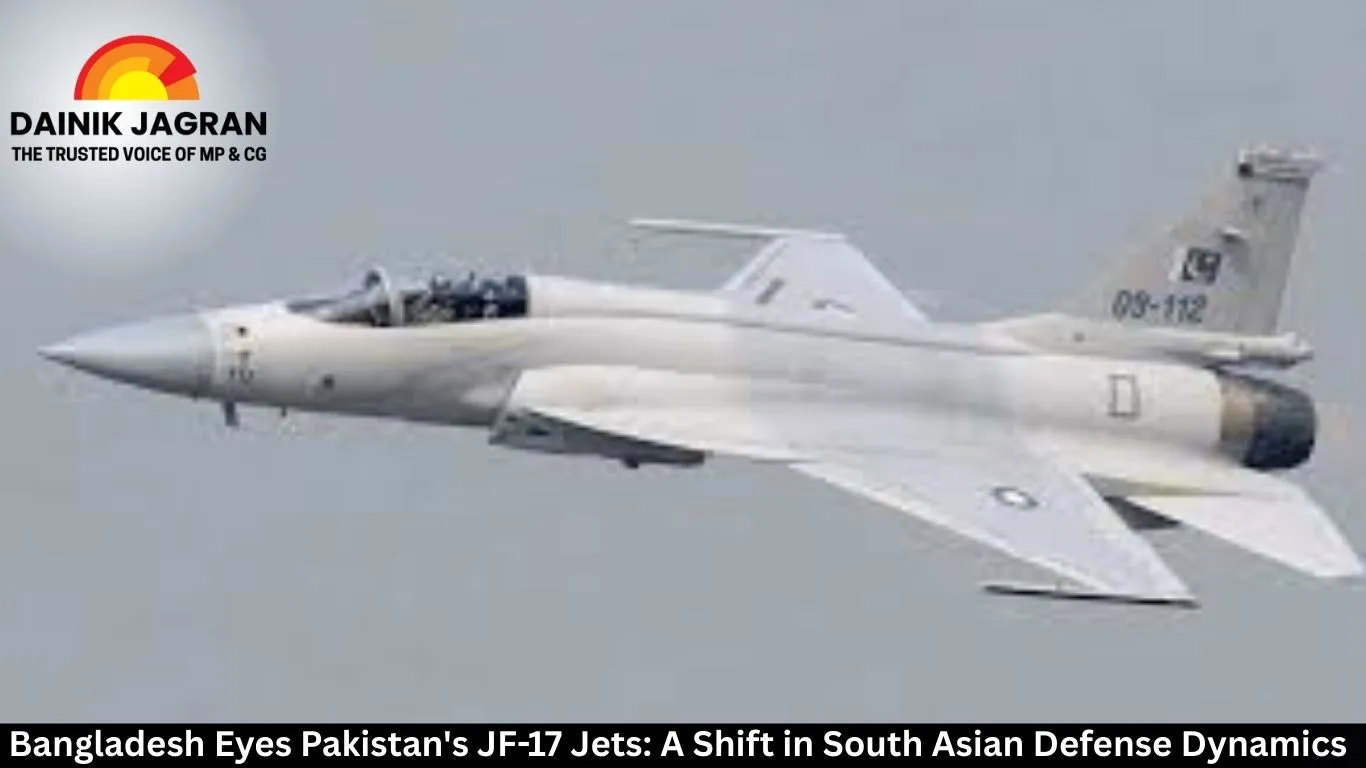
In a significant development signaling warming ties between Dhaka and Islamabad, Bangladesh has expressed keen interest in acquiring Pakistan's JF-17 Thunder fighter jets. This comes amid a high-level meeting between the air force chiefs of both nations in Islamabad, highlighting a potential Bangladesh Pakistan JF-17 deal that could reshape regional defense alliances. As South Asia navigates shifting geopolitical currents, this move underscores Bangladesh's quest for diversified military capabilities beyond traditional partners.
Strengthening Military Bonds
The discussions, confirmed by Pakistani military sources, took place between Pakistan Air Force Chief Air Chief Marshal Zaheer Ahmad Babar Sidhu and Bangladesh Air Force Chief Hasan Mahmood Khan. According to reports from The Daily Star, the talks focused on defense cooperation, including the sale of the JF-17 Thunder—a multi-role combat aircraft co-developed by Pakistan and China. Capable of air-to-air and air-to-ground missions, the JF-17 is already a cornerstone of Pakistan's air fleet.
Beyond jets, Pakistan has pledged expedited delivery of its Super Mushshak trainer aircraft, complete with pilot training and sustained support. While Bangladesh has yet to officially confirm the Bangladesh Pakistan JF-17 deal, insiders suggest it's part of broader efforts to enhance military interoperability.
Geopolitical Context: Why Now?
This interest arrives at a pivotal moment in South Asia geopolitics. Relations between Bangladesh and Pakistan have surged following the August 2024 ouster of former Prime Minister Sheikh Hasina, which strained Dhaka's ties with India. High-level engagements have accelerated:
- In January 2025, Bangladeshi Lieutenant General SM Qamar-ul-Hasan visited Pakistan to kickstart military dialogues.
- February 2025 saw direct trade resume, with Pakistan exporting 50,000 tons of rice to Bangladesh.
- August 2025 marked Pakistan Foreign Minister Ishaq Dar's visit to Dhaka—the first in 13 years.
- September 2025: Interim leader Muhammad Yunus met Dar in New York, reviving diplomatic channels.
- October 2025: Pakistan's Army Chief Sahir Shamshad Mirza toured Bangladesh, agreeing on training exchanges and joint exercises.
These steps reflect a deliberate pivot, as Bangladesh seeks to balance its defense portfolio amid regional tensions. Experts like Dr. Ayesha Siddiqa, a noted South Asian security analyst, argue that the Bangladesh Pakistan JF-17 deal could "diversify Dhaka's arsenal, reducing over-reliance on Indian or Russian systems while leveraging cost-effective Chinese-Pakistani tech."
Implications and Expert Insights
From an analytical standpoint, this deal could bolster Bangladesh's air force modernization without breaking the bank—the JF-17 is priced competitively at around $25-30 million per unit. Simulated expert views from aviation strategist Air Commodore (Retd.) Kaiser Tufail emphasize its agility and upgrade potential, making it ideal for Bangladesh's maritime and border security needs.
However, challenges loom: Integration with existing fleets, potential U.S. sanctions on Chinese tech, and India's reaction could complicate matters. For readers tracking South Asia geopolitics, this signals a multipolar shift, where smaller nations like Bangladesh assert independence in defense choices.
Practical takeaways? Defense enthusiasts should monitor official announcements from Dhaka. Businesses in aviation supply chains might explore opportunities in training and maintenance tie-ups. Policymakers: This underscores the need for dialogue to prevent escalation in regional arms races.
The emerging Bangladesh Pakistan JF-17 deal isn't just about jets—it's a barometer of evolving military ties and defense cooperation in a volatile South Asia. As talks progress, it promises to inject fresh momentum into bilateral relations, potentially fostering stability through shared security interests. In an era of geopolitical flux, such collaborations remind us that alliances are as fluid as the threats they address. Stay tuned for updates as this story unfolds.