


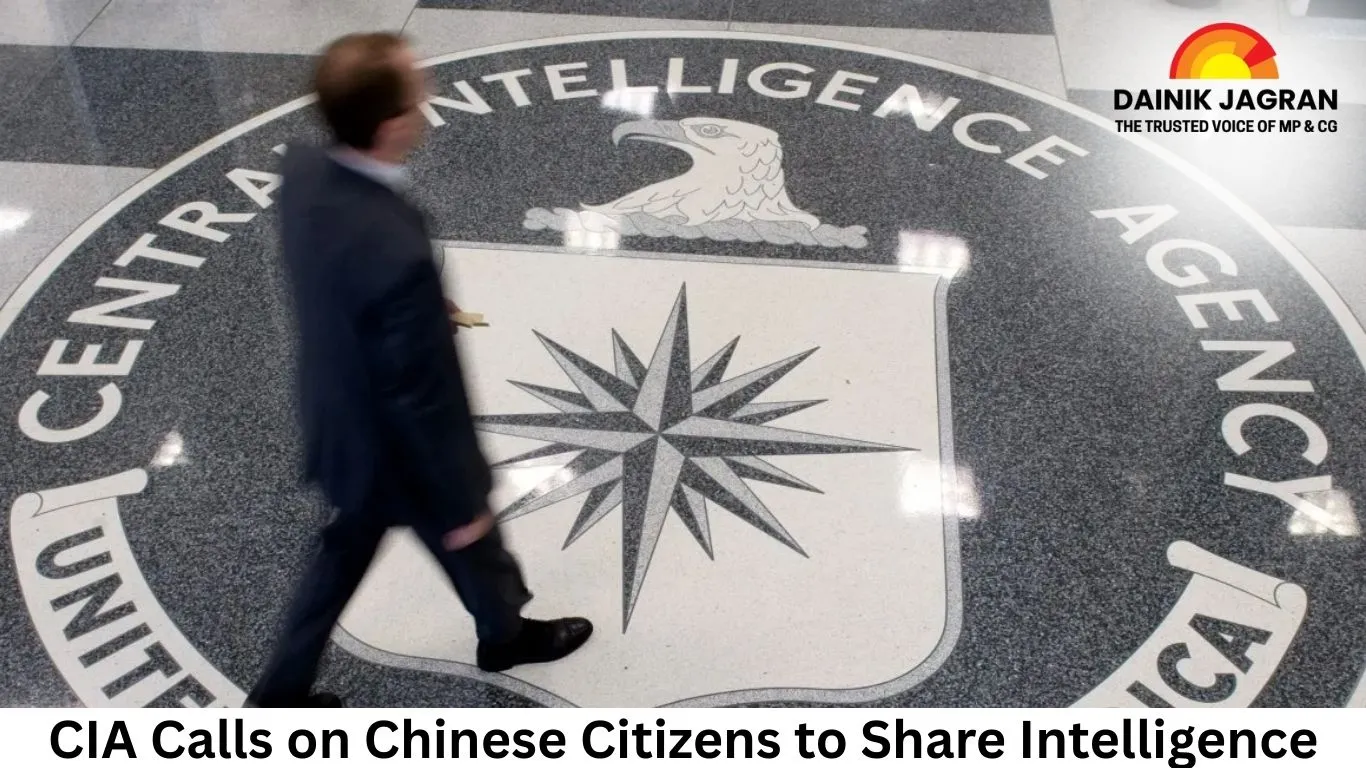
CIA Calls on Chinese Citizens to Share Intelligence; Releases Video Detailing Secure Contact Methods
Digital Desk
The video, released on X (formerly Twitter), is part of a broader effort by the CIA to gather intelligence on what it considers a strategic rival. It builds upon earlier text-based instructions shared in October 2024, which guided Chinese nationals on safely reaching out to the agency. According to CIA Director John Ratcliffe, the goal is to “recruit individuals who can help us understand China,” while assuring confidentiality and protection for those who come forward.
The video provides step-by-step instructions on using secure communication tools, including the dark web, encrypted messaging platforms, and anonymising software like Tor. It also advises viewers to use separate devices purchased anonymously, public internet connections, and to erase all digital traces after sending messages. Additional precautions include creating anonymous email accounts and, where possible, traveling abroad before making contact.
Analysts say the timing of the release reflects heightened US-China tensions over trade, technology, Taiwan, and security issues. The CIA’s approach is unusual for intelligence operations, which traditionally rely on covert recruitment, but officials contend that digital outreach is necessary to engage individuals who may be otherwise unreachable.
The video instructs prospective informants to contact the CIA only via its official website or designated dark web portal. Messages can be written in any language and should clearly explain the intelligence being shared. While all submissions are reviewed, the CIA does not guarantee further engagement.
Observers note that this public approach is rare, particularly given China’s strict surveillance, censorship, and legal penalties for espionage. Many citizens inside China may struggle to view such content without using internet circumvention tools.
For context, intelligence recruitment in other countries, including India, is highly structured. The Indian Intelligence Bureau (IB) conducts multi-tier exams, interviews, and specialized training for recruits, while the Research & Analysis Wing (R&AW) often selects personnel through lateral entry or direct recruitment for technical, linguistic, and cyber expertise. Candidates undergo extensive vetting, security clearance, and cryptography or espionage training.
This initiative signals a shift in modern intelligence operations, leveraging digital platforms to reach potential sources directly, reflecting the CIA’s adaptation to the digital era of espionage.
.jpg)




