The dinner was organised in honour of European Council President Antonio Costa and European Commission President Ursula von der Leyen, marking a significant moment in India–EU diplomatic ties following high-level bilateral engagements earlier in the day.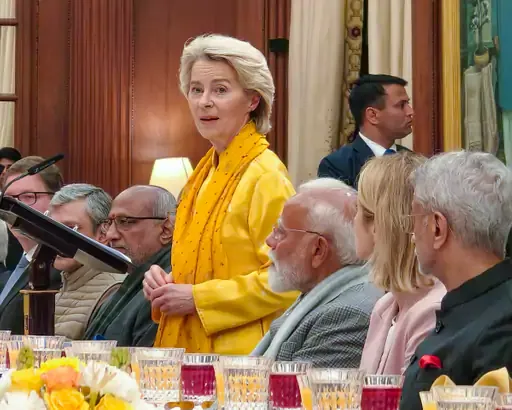
Addressing the gathering, von der Leyen said India’s growing influence on the global stage was being closely watched and welcomed by Europe. She emphasised that both sides were choosing dialogue, cooperation and coordination at a time of geopolitical uncertainty, noting that such an approach would enhance global stability, trust and economic confidence.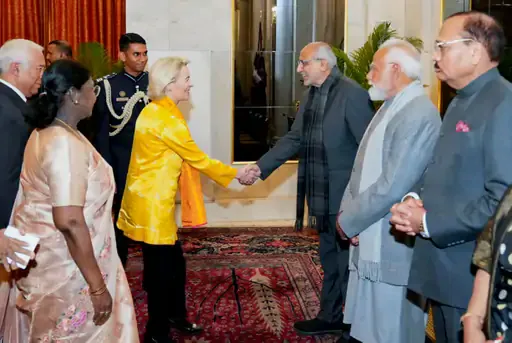
President Droupadi Murmu, the host of the evening, said India and Europe shared a common outlook in an era marked by conflict, economic volatility and climate challenges. She stressed that complex global problems could only be addressed through collective action and sustained multilateral cooperation. Her remarks reinforced India’s consistent position in favour of dialogue-based solutions and rules-based international order.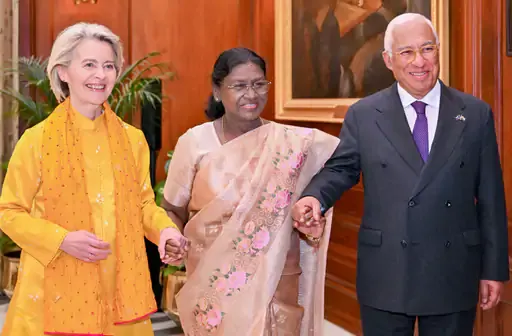
Prime Minister Narendra Modi, Chief Justice of India D.Y. Chandrachud, National Security Adviser Ajit Doval, Vice President C.P. Radhakrishnan and several senior ministers, diplomats and officials attended the dinner, reflecting the political and institutional importance India attaches to its partnership with the European Union.
European Council President Antonio Costa said the India–EU strategic partnership carried growing economic and geopolitical relevance in a rapidly changing world. Expressing satisfaction over the outcomes of the day’s summit, Costa highlighted progress in areas such as the proposed Free Trade Agreement, security and defence cooperation, and the joint strategic agenda for 2030. He described these initiatives as examples of cooperative leadership on global issues.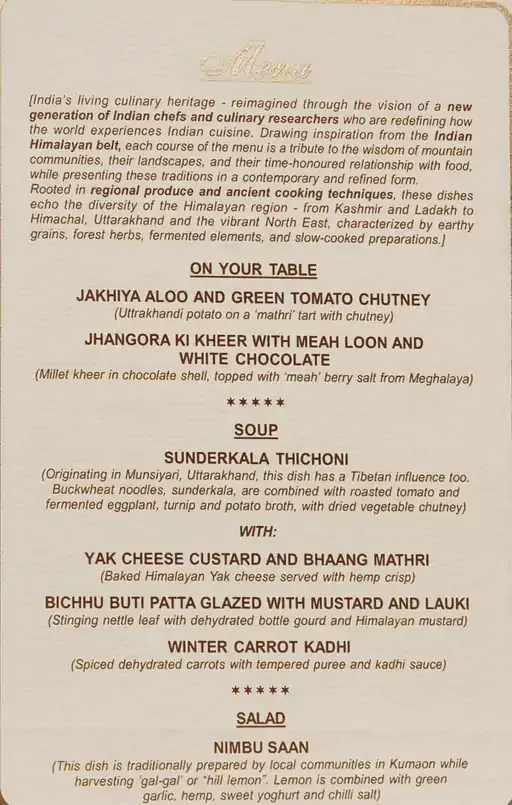
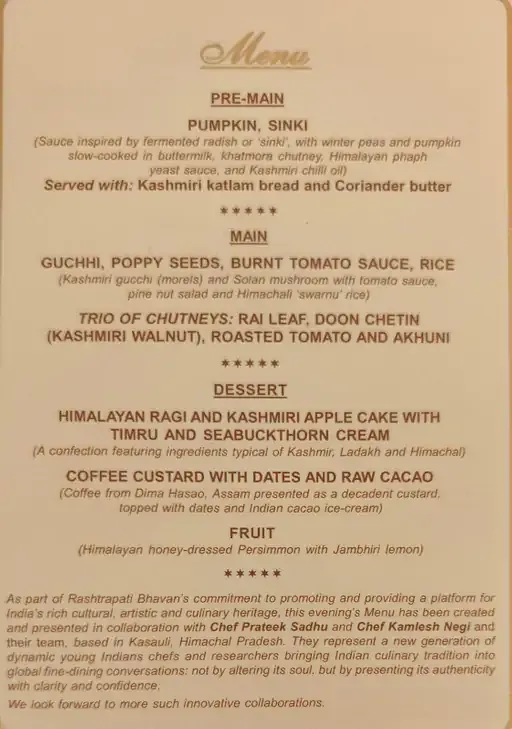
Beyond diplomacy, the evening also showcased India’s cultural diversity through its cuisine. The specially curated dinner menu highlighted Himalayan and hill traditions, featuring ingredients such as yak cheese, Gucchi mushrooms and Himachali Swarnu rice. Dishes were prepared in collaboration with chefs Prateek Sadhu and Kamlesh Negi, offering EU delegates a culinary introduction to regional Indian flavours.
The state dinner symbolised the broadening scope of India–EU relations, blending strategic dialogue with cultural diplomacy. With both sides signalling stronger political alignment and economic cooperation, the engagement is expected to shape the next phase of bilateral ties amid shifting global power dynamics.

12.jpg)

9.jpg)