


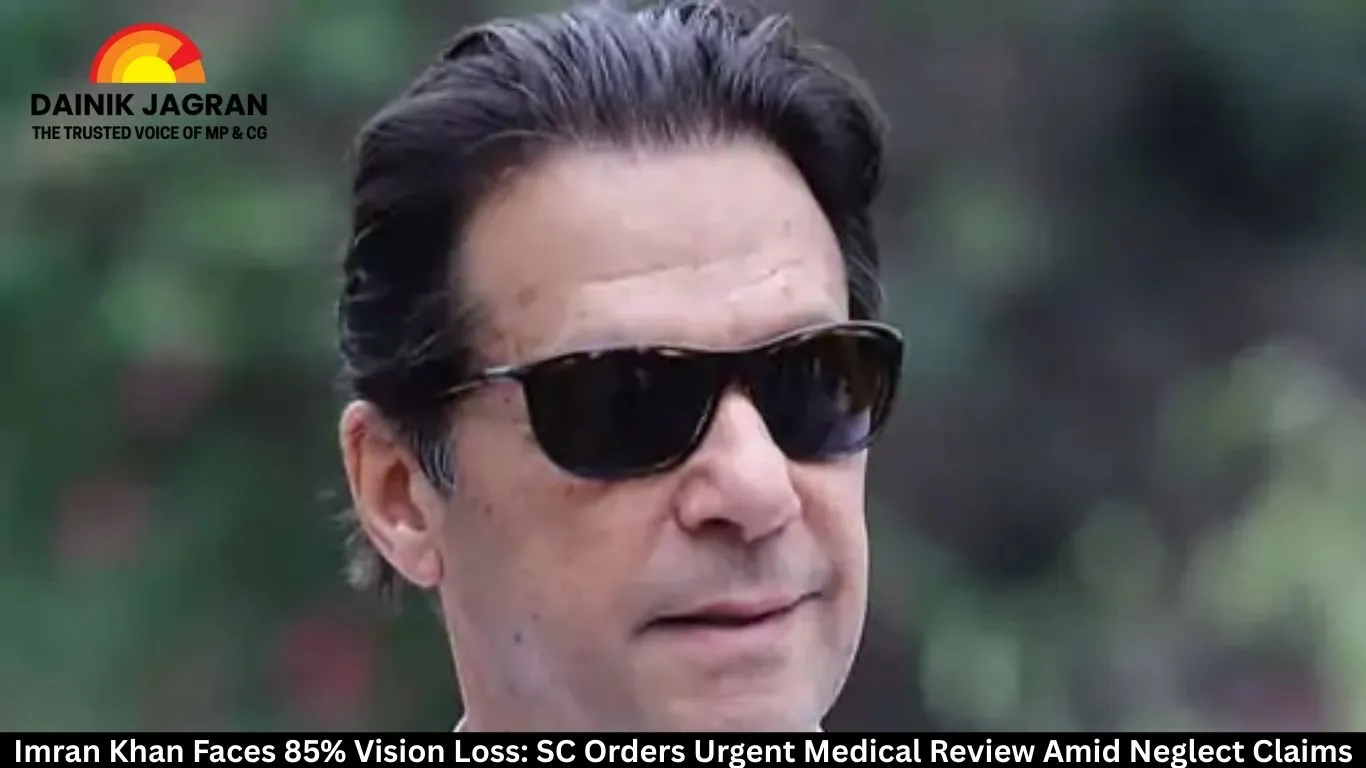
Imran Khan Faces 85% Vision Loss: SC Orders Urgent Medical Review Amid Neglect Claims
Digital Desk
In a developing story that has sent shockwaves through Pakistan’s political landscape, jailed former Prime Minister Imran Khan is reportedly facing a life-altering health crisis. A startling report submitted to the Supreme Court reveals that the 73-year-old leader has lost approximately 85% of the vision in his right eye, leaving him with just 15% sight.
The disclosure has prompted Chief Justice Yahya Afridi to intervene, ordering an immediate medical board to assess Khan’s condition before February 16.
A Diagnosis of Medical Neglect?
The crisis came to light following a seven-page report by Barrister Salman Safdar, who was appointed by the Supreme Court as an amicus curiae (friend of the court). Safdar, who met the former premier for two hours at Rawalpindi’s Adiala Jail, detailed a harrowing timeline of deteriorating health.
According to the report, the Imran Khan health update is grim:
-
Persistent Complaints: Khan began reporting blurred and hazy vision as early as October 2025.
-
Delayed Action: Despite multiple warnings to jail authorities, no specialist care was provided for three months.
-
Sudden Vision Loss: The delay culminated in a sudden, near-total loss of sight in his right eye.
Medical experts have now diagnosed the former cricket legend with Central Retinal Vein Occlusion (CRVO)—a serious condition where a blood clot blocks the main vein of the retina.
The Reality of CRVO in Adiala Jail
Central Retinal Vein Occlusion is not a routine ailment; it is a medical emergency that can lead to permanent blindness if not managed with precision. While a government medical team administered an anti-VEGF injection in late January, the report suggests the intervention may have been "too little, too late."
"The petitioner appeared visibly perturbed and deeply distressed. Throughout the meeting, his eyes were watery, reflecting significant physical discomfort," Safdar noted in his submission.
For a leader who has spent over two years in solitary confinement, the lack of access to his personal physicians from Shaukat Khanum Hospital has become a focal point of contention for his party, the Pakistan Tehreek-e-Insaf (PTI).
Supreme Court Steps In
Recognizing the gravity of the situation, the Supreme Court has issued a two-fold directive:
-
Medical Board: A specialized team must conduct a comprehensive eye examination and report back within days.
-
Family Contact: In a rare humanitarian gesture, the court directed jail authorities to allow Khan to speak with his sons, who reside in the United Kingdom.
The Chief Justice emphasized that the state bears the ultimate responsibility for the health of its inmates, stating that "intervention was necessary" to ensure basic human rights are upheld.
Why This Matters Now
The timing of this health scare adds a volatile layer to Pakistan’s current political culture. As the nation's most popular opposition figure, any perceived mistreatment of Imran Khan in Adiala Jail risks sparking widespread unrest.
The PTI has already warned of legal action against prison officials, including former jail superintendent Abdul Ghafoor Anjum, alleging "criminal negligence." For the international community, the case highlights ongoing concerns regarding the treatment of political prisoners and the rule of law in South Asia.
.jpg)




