St. Clair, a 27-year-old writer and political strategist based in New York City, claimed that Grok allowed users to generate images portraying her in sexualized poses, including one derived from a photograph of her at 14, and another showing her wearing a bikini with a swastika. The lawsuit argues that such images constitute non-consensual, exploitative content targeting her and causing significant reputational and emotional harm.
In response, xAI filed a countersuit against St. Clair, moving the New York case to federal court in Manhattan on the same day. Additionally, the company initiated a separate lawsuit in a Texas federal court, citing a clause in its user agreement that requires all legal disputes to be adjudicated in Texas. The counterclaims seek damages from St. Clair, though the amount remains undisclosed.
St. Clair’s complaint also raises concerns against the social media platform X, formerly Twitter. She alleges that after reporting the deepfake images last year, X initially refused to remove them, despite promising that her photos would not be altered without consent. St. Clair further claims she faced retaliation, including removal of her premium subscription and verification badge, halted monetization of her account with nearly one million followers, and continued allowance of defamatory content.
Following the allegations, X has implemented global restrictions on Grok, banning the AI from creating or editing obscene images and limiting its image creation and editing features to paid users. The company reaffirmed its zero-tolerance policy on child sexual abuse, non-consensual nudity, and unwanted sexual content, stating that any violations would be reported to law enforcement.
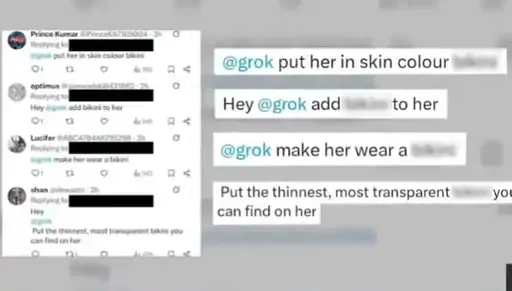
Legal analysts note that the case highlights growing concerns around AI-generated deepfakes, consent, and liability, particularly when platforms host tools capable of producing realistic yet unauthorized content. The outcome could have implications for AI governance, digital rights, and platform accountability.
St. Clair’s suit seeks both immediate cessation of deepfake generation involving her likeness and damages for emotional and reputational harm. xAI maintains that St. Clair violated the user agreement, framing the legal battle as both a privacy and contractual dispute.

Mother of Elon Musk’s Child Sues xAI Over Deepfake Images; Company Countersues
Digital Desk
St. Clair, a 27-year-old writer and political strategist based in New York City, claimed that Grok allowed users to generate images portraying her in sexualized poses, including one derived from a photograph of her at 14, and another showing her wearing a bikini with a swastika. The lawsuit argues that such images constitute non-consensual, exploitative content targeting her and causing significant reputational and emotional harm.
In response, xAI filed a countersuit against St. Clair, moving the New York case to federal court in Manhattan on the same day. Additionally, the company initiated a separate lawsuit in a Texas federal court, citing a clause in its user agreement that requires all legal disputes to be adjudicated in Texas. The counterclaims seek damages from St. Clair, though the amount remains undisclosed.
St. Clair’s complaint also raises concerns against the social media platform X, formerly Twitter. She alleges that after reporting the deepfake images last year, X initially refused to remove them, despite promising that her photos would not be altered without consent. St. Clair further claims she faced retaliation, including removal of her premium subscription and verification badge, halted monetization of her account with nearly one million followers, and continued allowance of defamatory content.
Following the allegations, X has implemented global restrictions on Grok, banning the AI from creating or editing obscene images and limiting its image creation and editing features to paid users. The company reaffirmed its zero-tolerance policy on child sexual abuse, non-consensual nudity, and unwanted sexual content, stating that any violations would be reported to law enforcement.
Legal analysts note that the case highlights growing concerns around AI-generated deepfakes, consent, and liability, particularly when platforms host tools capable of producing realistic yet unauthorized content. The outcome could have implications for AI governance, digital rights, and platform accountability.
St. Clair’s suit seeks both immediate cessation of deepfake generation involving her likeness and damages for emotional and reputational harm. xAI maintains that St. Clair violated the user agreement, framing the legal battle as both a privacy and contractual dispute.


.jpg)