


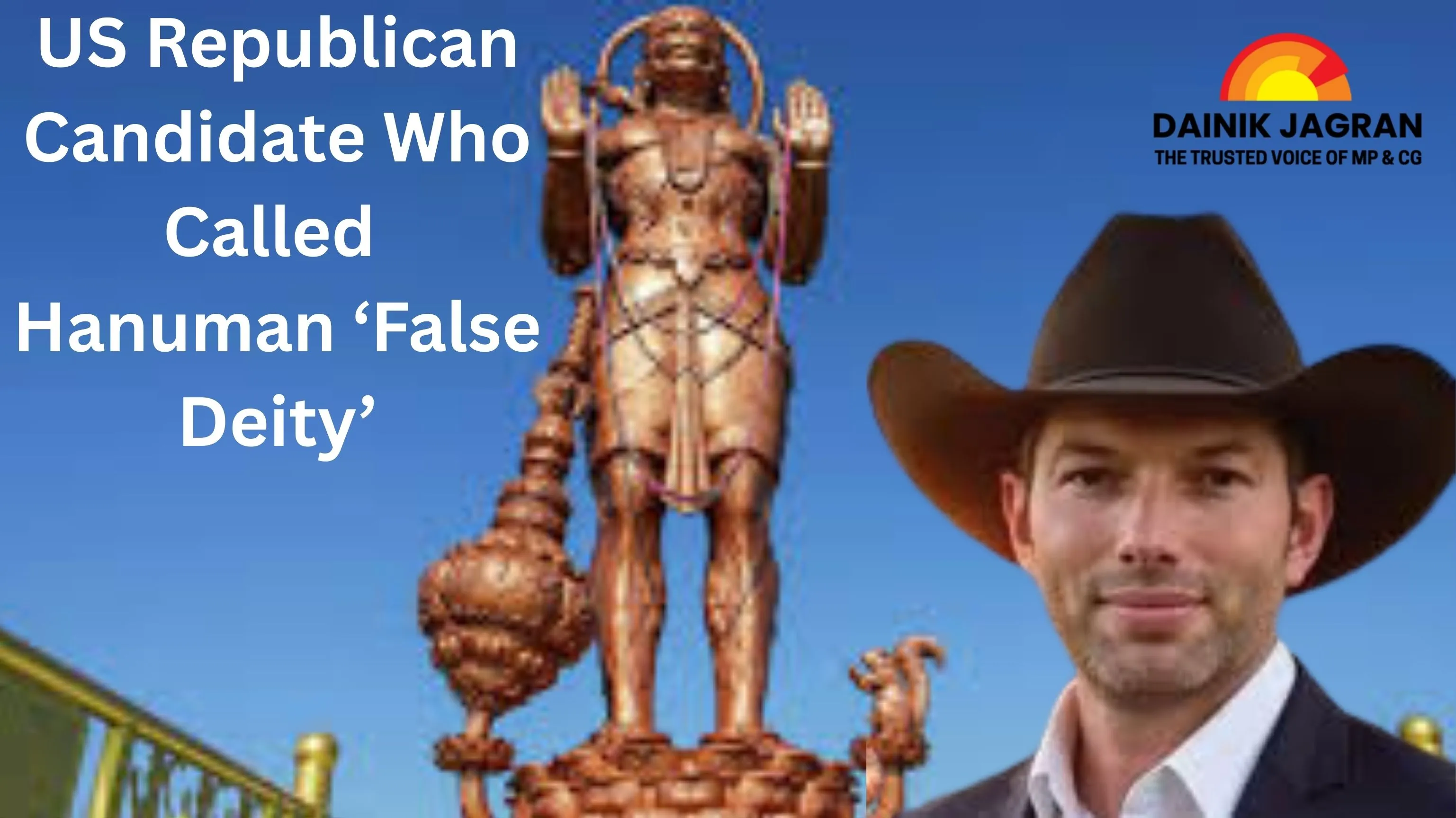
US Republican Candidate Who Called Hanuman ‘False Deity’ Fails to Qualify for Texas Primary
Digital Desk
The remarks, made in September and circulated on social media, sparked outrage among the Hindu community. Thousands criticized Duncan for promoting religious intolerance and anti-Hindu sentiment. The Hindu American Foundation called on the Texas Republican Party to take action, citing violations of anti-discrimination rules and stressing the constitutional right to religious freedom.
Duncan defended his statement, claiming he spoke from a Christian perspective and did not intend to target Hinduism. “What I said about the Hanuman statue was not anti-Hindu; I was simply asking what happens when a country turns away from the true God and begins worshipping imaginary idols,” he stated. His campaign manager also highlighted that Duncan was exercising his right to free expression without endorsing any discriminatory policy.
Despite the defense, the controversy hampered his campaign, and he was unable to gather the required signatures and support to appear on the primary ballot. Duncan had been contesting against incumbents Sen. John Cornyn and Ken Paxton in the Republican primary.
The Sri Ashtalakshmi Temple’s 90-foot bronze Hanuman statue, unveiled in August 2024, is the tallest Hanuman statue outside India, weighing 90 tons and crafted from five metals. It drew thousands during its three-day Pran Pratishtha ceremony and has become a notable cultural landmark in Texas.
The incident has reignited discussions in the US about religious freedom, tolerance, and the role of personal beliefs in politics, particularly in a diverse state like Texas. Duncan’s failure underscores the challenges faced by candidates whose remarks alienate religious communities ahead of major elections.



.jpg)




