War Impact: Iranians Buy Bread on EMI as Food Prices Surge

Digital Desk

War Impact: Iranians Buy Bread on EMI as Food Prices Surge

Iran faces an economic breaking point as war pushes cooking oil prices up by 430%. Severe food and medicine rationing reported across Tehran and Isfahan.


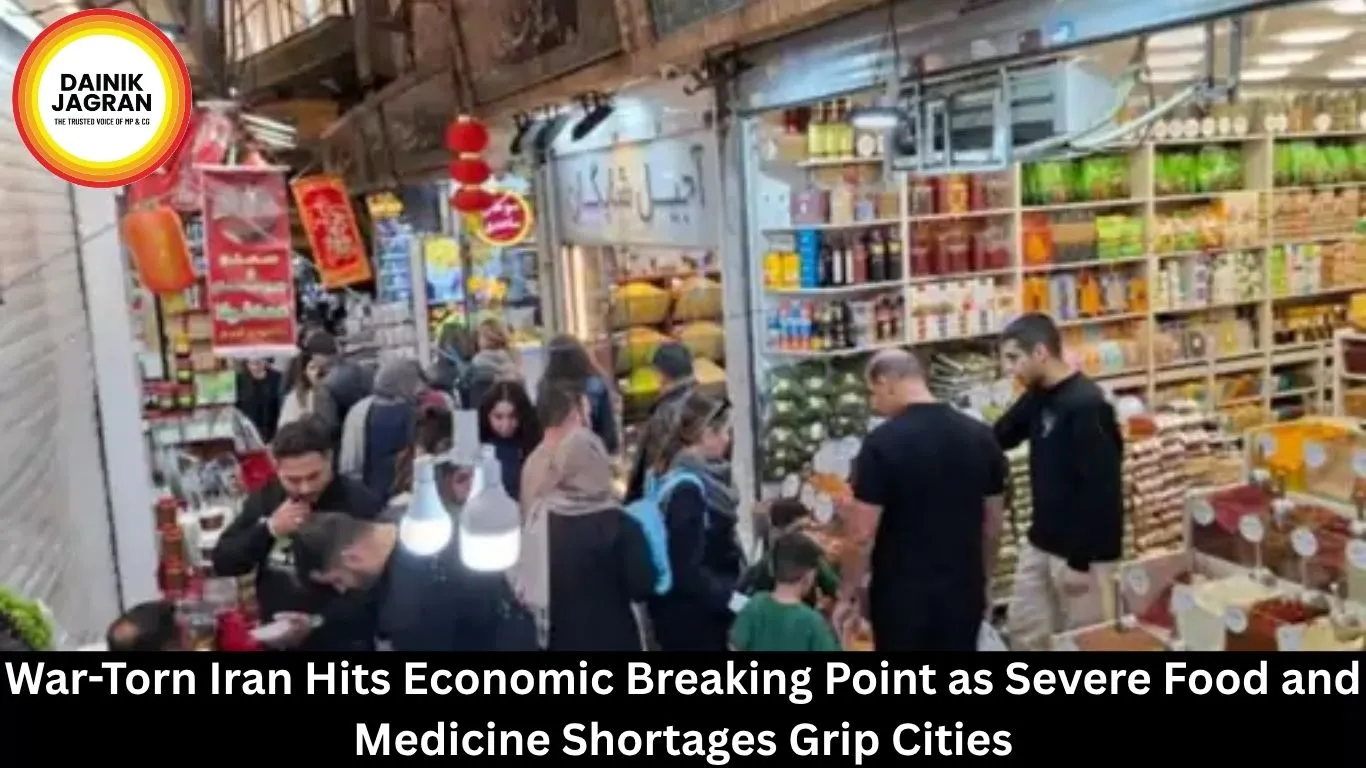
The crushing reality of an escalated conflict has hit the streets of Iran, not just in the form of structural destruction, but through an unprecedented economic collapse. Months after heavy US and Israeli airstrikes targeted key infrastructure, the domestic market has spiraled into hyperinflation. The situation has deteriorated to a point where working-class families in major urban centers like Tehran, Isfahan, and Mashhad are forced to buy basic staples, including bread, on installment plans.

Ground Reality in Tehran

The local currency, the rial, has plummeted to historic lows, obliterating the purchasing power of average citizens. On the ground, the financial volatility changes by the hour.

"I bought groceries on credit from a neighborhood shop, and when I returned the next day to pay, the bill had doubled," said Mehdi, a 52-year-old government employee living in the capital.

His situation is far from isolated. Reports filtering out of neighborhood markets in Ahvaz and Isfahan indicate that salaries are dry by the middle of the month. To survive, residents are increasingly turning to local shopkeepers to purchase supermarket packages and bread on EMI (equated monthly installments), a phenomenon previously unheard of for basic food items.

Essential Commodities Skyrocket

The statistical reality of the market is staggering. Driven by supply chain blockages and the destruction of domestic logistics, the prices of everyday essentials have grown exponentially.

According to local commercial accounts, cooking oil prices have surged by a massive 430% since the escalation of the conflict. Similarly, the price of eggs has risen by 345%, rice by 287%, and milk by 139%. The sharp spike has completely altered the Iranian household budget, shifting the daily focus from physical safety to basic caloric survival.

Medical Infrastructure Crumbling

Beyond the kitchen table, the crisis has firmly gripped Iran’s healthcare sector. Industrial output has grounded to a halt, heavily impacted by targeted strikes on the country's petrochemical installations and manufacturing zones.

A medical professional operating out of a major hospital in Isfahan confirmed that local pharmacies have begun rationing medicines. The Health Ministry has reportedly issued directives to physicians nationwide, advising them to prescribe only critical, life-saving drugs due to depleted stockpiles.

Amin Afshar, head of Iran’s Hemophilia Association, issued a stark warning stating that emergency reserves for bleeding disorders have entirely run out, compounded by severe difficulties in securing imports under the current blockade.

Tragedies Surface as Network Restored

The human cost of the war is only now fully coming to light following the gradual restoration of internet services, which had been severely restricted since the war intensified. As connectivity returned in late May, social media platforms were flooded with delayed accounts of casualties and destruction.

Among the widely shared accounts was that of Hamed Mirzaei, who discovered the fate of his family weeks after the event. A strike targeting Tehran’s Resalat Square earlier this spring claimed the lives of 12 of his family members, including his wife and parents. Due to the total communication blackout, Mirzaei only learned of the tragedy once basic network access was re-established.

Deepening Roots of Discontent

The current economic freefall is an amplification of an existing crisis. Iran was already battling severe economic headwinds before the military escalation. In December 2025, major demonstrations erupted across Tehran’s Saadi Street and the Grand Bazaar, expanding rapidly into Shiraz and Mashhad.

Those protests, triggered by inflation crossing 42% and food costs rising over 70%, had already forced the resignation of the Central Bank chief, Mohammad Reza Farzin. The subsequent war has turned an already fragile economy into a humanitarian crisis.

Shifting Stance on Dialogue

With the ruling establishment managing to survive the military onslaught contrary to initial opposition expectations, the political discourse on the ground is shifting. Many citizens who previously viewed external conflict as a catalyst for internal political change are pivoting toward diplomacy.

Lida, a 44-year-old environmental specialist from Tehran, noted that the sheer scale of infrastructural damage and human loss has made continued conflict unsustainable. Local analysts point out that a painful reckoning is underway across the political spectrum, with a growing consensus that diplomatic dialogue remains the final viable route to prevent total state collapse.


 

--------

๐Ÿšจ Beat the News Rush โ€“ Join Now!

Get breaking alerts, hot exclusives, and game-changing stories instantly on your phone. No delays, no fluff โ€“ just the edge you need. โšก

Tap to join:ย 

๐ŸŸข WhatsApp Channel: Dainik Jagran MP CG

Crave more?

๐Ÿ…• Facebook: Dainik Jagran MP CG English

๐Ÿ…ง Twitter (X): Dainik Jagran MP CG

๐Ÿ…˜ Instagram: Dainik Jagran MP CG

Share the fire โ€“ keep your crew ahead! ๐Ÿ—ž๏ธ๐Ÿ”ฅ

english.dainikjagranmpcg.com
09 Jun 2026 By Abhishek Joshi

War Impact: Iranians Buy Bread on EMI as Food Prices Surge

Digital Desk

The crushing reality of an escalated conflict has hit the streets of Iran, not just in the form of structural destruction, but through an unprecedented economic collapse. Months after heavy US and Israeli airstrikes targeted key infrastructure, the domestic market has spiraled into hyperinflation. The situation has deteriorated to a point where working-class families in major urban centers like Tehran, Isfahan, and Mashhad are forced to buy basic staples, including bread, on installment plans.

Ground Reality in Tehran

The local currency, the rial, has plummeted to historic lows, obliterating the purchasing power of average citizens. On the ground, the financial volatility changes by the hour.

"I bought groceries on credit from a neighborhood shop, and when I returned the next day to pay, the bill had doubled," said Mehdi, a 52-year-old government employee living in the capital.

His situation is far from isolated. Reports filtering out of neighborhood markets in Ahvaz and Isfahan indicate that salaries are dry by the middle of the month. To survive, residents are increasingly turning to local shopkeepers to purchase supermarket packages and bread on EMI (equated monthly installments), a phenomenon previously unheard of for basic food items.

Essential Commodities Skyrocket

The statistical reality of the market is staggering. Driven by supply chain blockages and the destruction of domestic logistics, the prices of everyday essentials have grown exponentially.

According to local commercial accounts, cooking oil prices have surged by a massive 430% since the escalation of the conflict. Similarly, the price of eggs has risen by 345%, rice by 287%, and milk by 139%. The sharp spike has completely altered the Iranian household budget, shifting the daily focus from physical safety to basic caloric survival.

Medical Infrastructure Crumbling

Beyond the kitchen table, the crisis has firmly gripped Iran’s healthcare sector. Industrial output has grounded to a halt, heavily impacted by targeted strikes on the country's petrochemical installations and manufacturing zones.

A medical professional operating out of a major hospital in Isfahan confirmed that local pharmacies have begun rationing medicines. The Health Ministry has reportedly issued directives to physicians nationwide, advising them to prescribe only critical, life-saving drugs due to depleted stockpiles.

Amin Afshar, head of Iran’s Hemophilia Association, issued a stark warning stating that emergency reserves for bleeding disorders have entirely run out, compounded by severe difficulties in securing imports under the current blockade.

Tragedies Surface as Network Restored

The human cost of the war is only now fully coming to light following the gradual restoration of internet services, which had been severely restricted since the war intensified. As connectivity returned in late May, social media platforms were flooded with delayed accounts of casualties and destruction.

Among the widely shared accounts was that of Hamed Mirzaei, who discovered the fate of his family weeks after the event. A strike targeting Tehran’s Resalat Square earlier this spring claimed the lives of 12 of his family members, including his wife and parents. Due to the total communication blackout, Mirzaei only learned of the tragedy once basic network access was re-established.

Deepening Roots of Discontent

The current economic freefall is an amplification of an existing crisis. Iran was already battling severe economic headwinds before the military escalation. In December 2025, major demonstrations erupted across Tehran’s Saadi Street and the Grand Bazaar, expanding rapidly into Shiraz and Mashhad.

Those protests, triggered by inflation crossing 42% and food costs rising over 70%, had already forced the resignation of the Central Bank chief, Mohammad Reza Farzin. The subsequent war has turned an already fragile economy into a humanitarian crisis.

Shifting Stance on Dialogue

With the ruling establishment managing to survive the military onslaught contrary to initial opposition expectations, the political discourse on the ground is shifting. Many citizens who previously viewed external conflict as a catalyst for internal political change are pivoting toward diplomacy.

Lida, a 44-year-old environmental specialist from Tehran, noted that the sheer scale of infrastructural damage and human loss has made continued conflict unsustainable. Local analysts point out that a painful reckoning is underway across the political spectrum, with a growing consensus that diplomatic dialogue remains the final viable route to prevent total state collapse.
 

https://english.dainikjagranmpcg.com/international/war-impact-iranians-buy-bread-on-emi-as-food-prices/article-19963

Latest News

Trump Confirms Crew Safe After US Helicopter Crash Near Hormuz Trump Confirms Crew Safe After US Helicopter Crash Near Hormuz
US President Trump says helicopter crew safe after Apache crash near Strait of Hormuz amid West Asia tensions. Israel vows...
50 UK MPs urge action over PoK unrest, 11 dead
Trump approval near record low; 70% disapprove
War Impact: Iranians Buy Bread on EMI as Food Prices Surge
Twin Earthquakes Hit Iran and Cuba, Tremors Felt Across Region
148 Indians Stuck in Bangladesh Jails After Serving Sentences
Southwest Monsoon Reaches 13 States in 5 Days