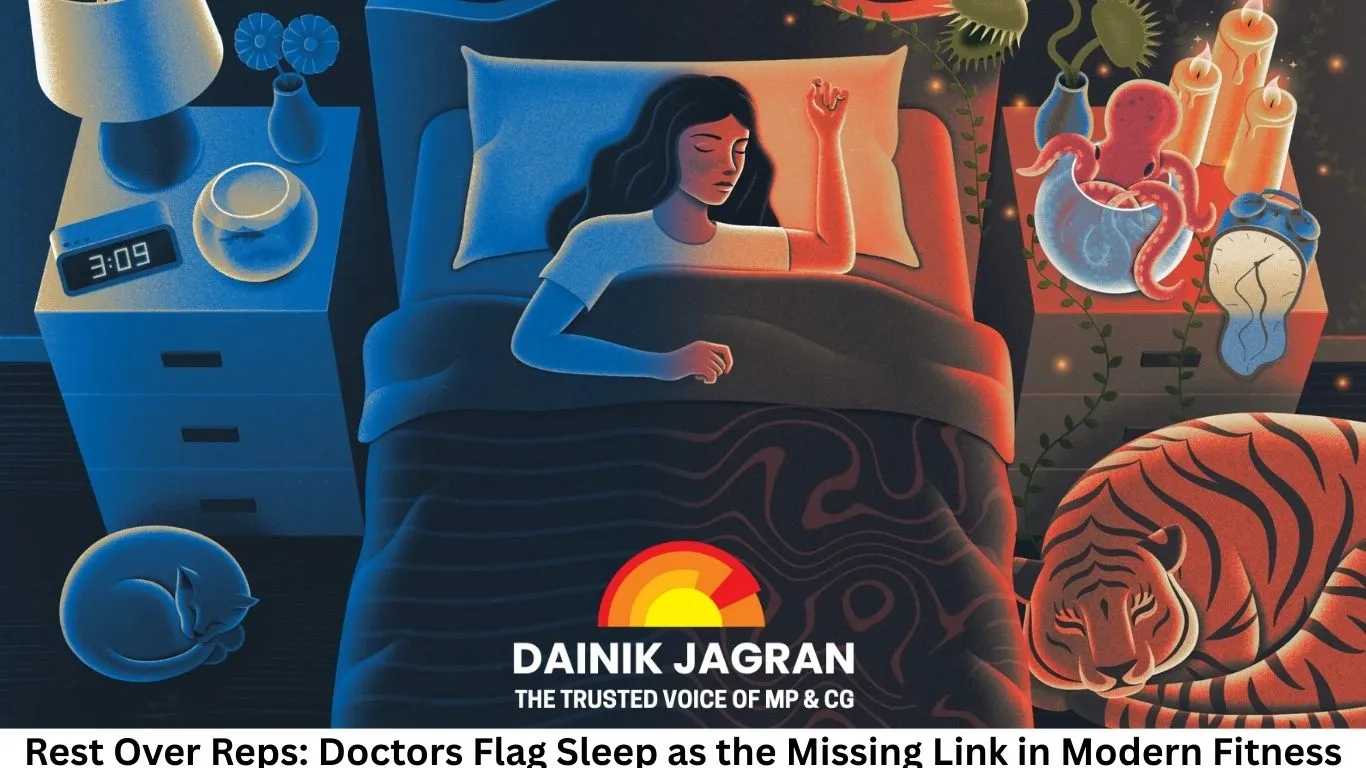
Rest Over Reps: Doctors Flag Sleep as the Missing Link in Modern Fitness
Digital Desk
Health specialists note that sleep directly affects muscle recovery, hormone balance, immunity and mental health. With longer work hours, excessive screen exposure and irregular routines, many urban Indians are sleeping less than the recommended seven to eight hours a night. Physicians say this trend is quietly fuelling fatigue, weight gain, anxiety and metabolic disorders.
“People believe an hour at the gym can compensate for four to five hours of sleep. That is medically incorrect,” said a senior physician at a Delhi-based hospital. “Without adequate rest, the body fails to repair muscles, regulate insulin and manage stress hormones, increasing the risk of injury and chronic illness.”
Hospitals are reporting a steady rise in patients who exercise regularly but complain of persistent exhaustion, poor concentration and slow recovery from minor injuries. Sleep specialists say disrupted rest interferes with the release of growth hormone, which plays a crucial role in tissue repair and fat metabolism.
According to doctors, the issue is not limited to fitness enthusiasts. Office workers, students and shift employees are showing symptoms of long-term sleep debt, including weakened immunity and elevated blood pressure. Research cited by clinicians links short sleep duration to higher risks of obesity, type 2 diabetes and cardiovascular disease.
Medical professionals stress that sleep should be treated as a core pillar of fitness, alongside diet and physical activity. “Rest is when the real work happens,” said a sports medicine expert. “Exercise creates stress on the body; sleep is when adaptation and strength-building occur.”
Experts recommend maintaining consistent sleep schedules, limiting screen use before bedtime, and avoiding late-night caffeine. They also advise against high-intensity workouts late in the evening, which can delay sleep onset.
With wearable fitness trackers and wellness apps increasingly highlighting sleep scores, doctors believe awareness is improving, but behaviour change remains slow. Public health experts warn that unless sleep is prioritised, the long-term burden on healthcare systems could rise.
As fitness culture evolves, clinicians say the message is clear: performance and health gains depend not only on how hard people train, but on how well they rest.