

The meeting, held at a public outreach forum described by Gandhi as a “Jan Sansad,” focused on working conditions in India’s fast-growing gig economy. Gandhi said workers reported unstable incomes, absence of insurance or medical cover, and excessive algorithm-driven work pressure. He also claimed many gig workers come from Dalit and tribal communities and face discrimination linked to caste and class within the sector.
The Congress leader argued that current regulations do not adequately govern digital labour platforms and called for stronger legislation to ensure minimum earnings, social protection, and grievance redressal. He added that states governed by his party are drafting rights-based policy frameworks intended to serve as national models.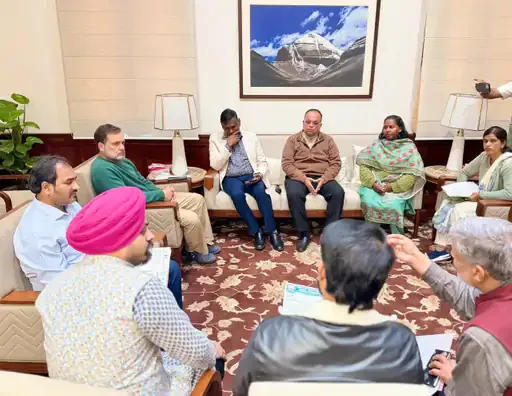
Data cited in the discussion reflects mounting concern over the sector. According to a recent economic survey presented in Parliament, about 40% of India’s gig workers earn less than ₹15,000 per month. The report recommended setting a guaranteed minimum earning benchmark—either hourly or per task—and compensating workers for waiting time between assignments. It also flagged that fluctuating income often prevents such workers from accessing formal credit or financial services.
The survey noted that India’s gig workforce has expanded from 7.7 million in 2021 to about 12 million in 2025, a rise of roughly 55%. Though they currently account for just over 2% of the labour force, projections suggest gig jobs could make up nearly 6.7% of non-agricultural employment by 2030, underscoring the sector’s growing economic weight.
Worker protests in recent months involving delivery personnel from platforms such as Zomato and Swiggy have highlighted demands for better pay structures and improved working conditions. Analysts say the survey’s recommendations, if implemented, could shape the next phase of labour reforms in India’s digital economy.
Gandhi said the debate is ultimately about dignity as much as employment. “This is not only a fight for jobs,” he said, “but for safety, fairness and social justice.”

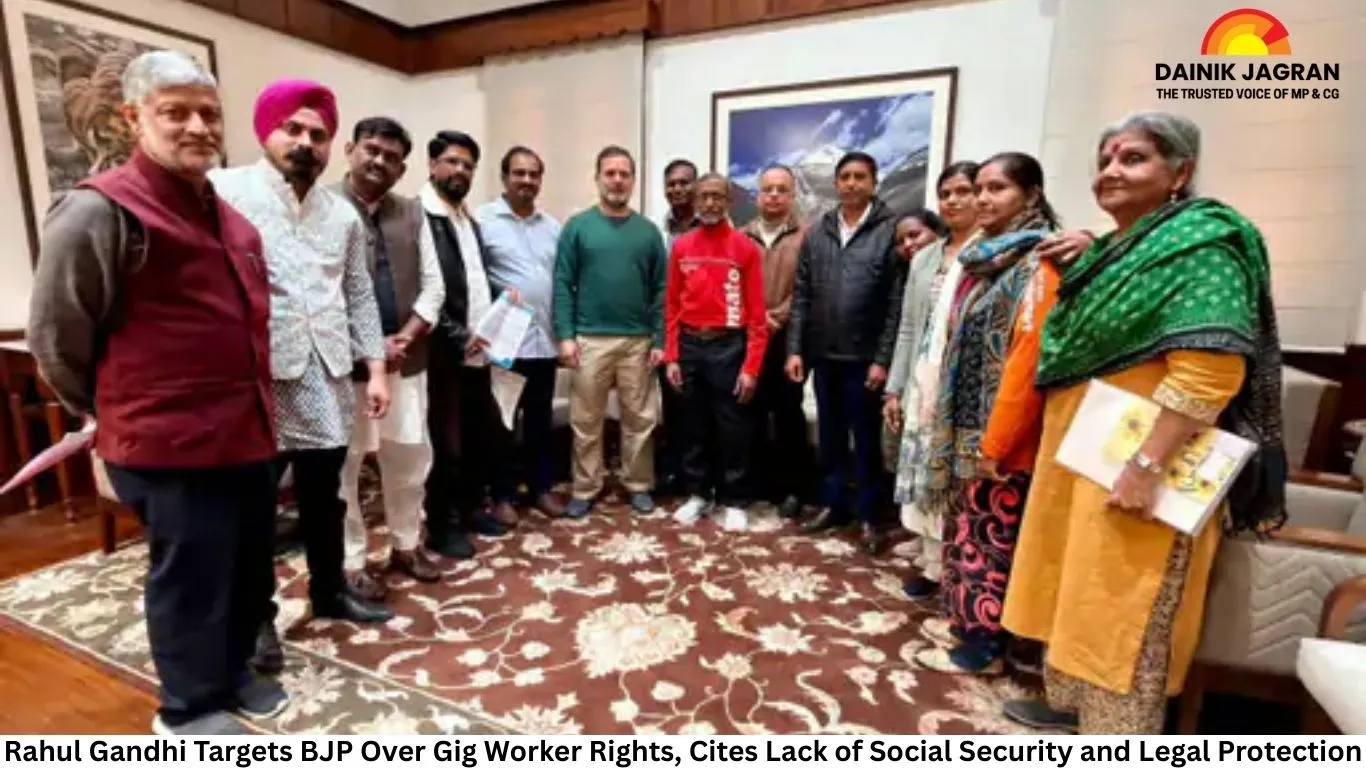
Rahul Gandhi Targets BJP Over Gig Worker Rights, Cites Lack of Social Security and Legal Protection
Digital Desk
The meeting, held at a public outreach forum described by Gandhi as a “Jan Sansad,” focused on working conditions in India’s fast-growing gig economy. Gandhi said workers reported unstable incomes, absence of insurance or medical cover, and excessive algorithm-driven work pressure. He also claimed many gig workers come from Dalit and tribal communities and face discrimination linked to caste and class within the sector.
The Congress leader argued that current regulations do not adequately govern digital labour platforms and called for stronger legislation to ensure minimum earnings, social protection, and grievance redressal. He added that states governed by his party are drafting rights-based policy frameworks intended to serve as national models.
Data cited in the discussion reflects mounting concern over the sector. According to a recent economic survey presented in Parliament, about 40% of India’s gig workers earn less than ₹15,000 per month. The report recommended setting a guaranteed minimum earning benchmark—either hourly or per task—and compensating workers for waiting time between assignments. It also flagged that fluctuating income often prevents such workers from accessing formal credit or financial services.
The survey noted that India’s gig workforce has expanded from 7.7 million in 2021 to about 12 million in 2025, a rise of roughly 55%. Though they currently account for just over 2% of the labour force, projections suggest gig jobs could make up nearly 6.7% of non-agricultural employment by 2030, underscoring the sector’s growing economic weight.
Worker protests in recent months involving delivery personnel from platforms such as Zomato and Swiggy have highlighted demands for better pay structures and improved working conditions. Analysts say the survey’s recommendations, if implemented, could shape the next phase of labour reforms in India’s digital economy.
Gandhi said the debate is ultimately about dignity as much as employment. “This is not only a fight for jobs,” he said, “but for safety, fairness and social justice.”
.jpg)




