


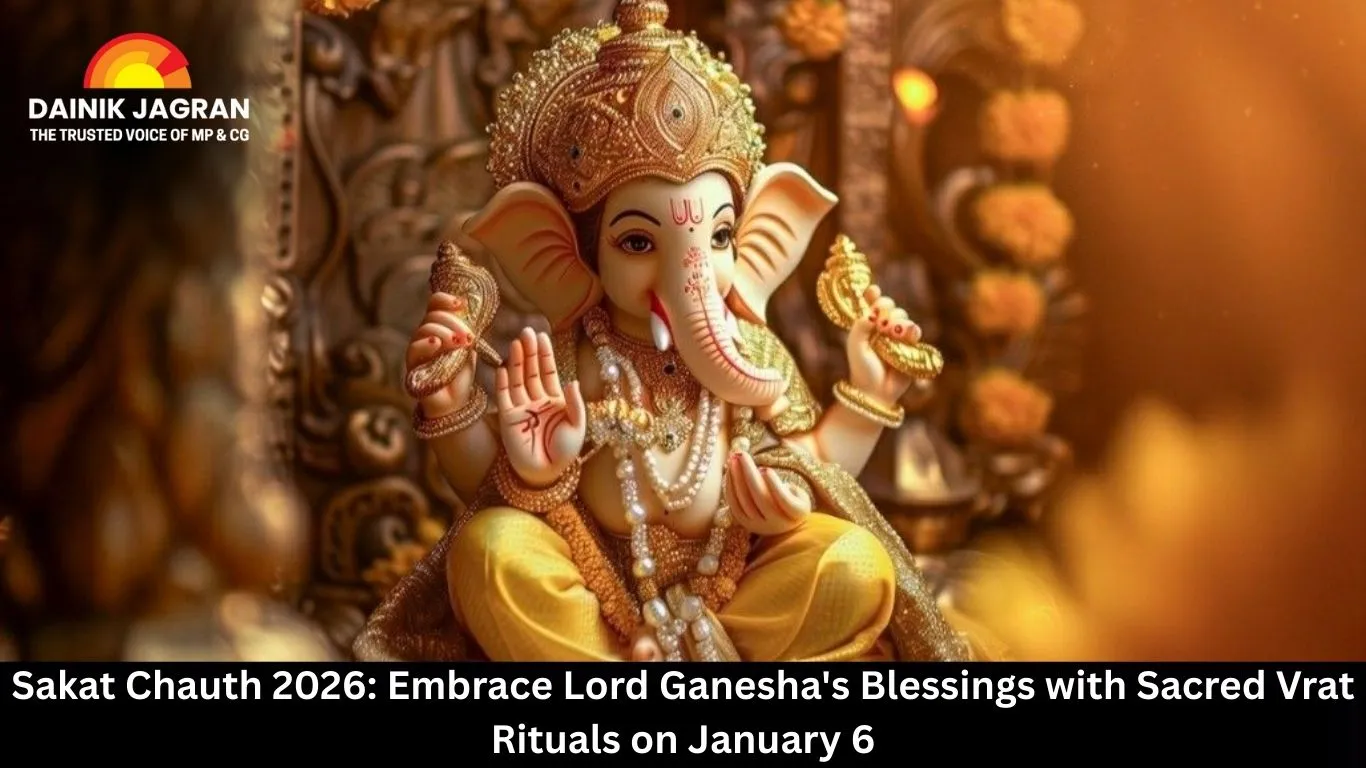
Sakat Chauth 2026: Embrace Lord Ganesha's Blessings with Sacred Vrat Rituals on January 6
Digital Desk
As the new year unfolds, families across India are turning to timeless traditions for a fresh start. With Sakat Chauth on January 6, 2026, this auspicious day dedicated to Lord Ganesha offers a perfect spiritual reset amid the post-holiday hustle.
In today's fast-paced world, where work-life balance feels elusive, this vrat—also known as Sankashti Chaturthi—reminds us of the power of intention and family bonds. Devotees, especially mothers, fast for their children's longevity and obstacle-free lives, making it a beacon of hope in uncertain times.
The Essence of Sakat Chauth: Why It Resonates Now
Sakat Chauth isn't just another festival; it's a heartfelt plea to the remover of obstacles. Observed on the Krishna Paksha Chaturthi of Paush month, it honors Sakat Mata, a fierce form of Goddess Parvati, alongside Lord Ganesha. In 2026, as global anxieties linger from economic shifts and health concerns, this vrat gains urgency. Astrologers note that the waning moon phase amplifies inner reflection, aligning with current wellness trends like mindfulness and gratitude practices.
Pandit Rajesh Sharma, a renowned Vedic scholar from Delhi, shares: "In this era of digital distractions, Sakat Chauth teaches us to pause and invoke Ganesha's wisdom. It's not mere ritual—it's a tool for emotional resilience, especially for parents safeguarding their kids' futures."
Key Date and Timings for Sakat Chauth 2026
Mark your calendars: Sakat Chauth 2026 begins at sunrise on January 6 and ends with moonrise. According to the Hindu Panchang:
- Puja Muhurat: 7:30 AM to 9:00 AM (ideal for Ganesh abhishek).
- Moonrise Time: Approximately 8:45 PM (varies by location—check local almanac).
- Parana (Fast Break): Post-moon sighting, ideally before midnight.
This timing ensures the fast aligns with natural rhythms, boosting its efficacy for prosperity and health.
Step-by-Step Vrat Rituals: A Practical Guide
Performing the rituals doesn't require elaborate setups—simplicity is key. Here's how to observe Sakat Chauth mindfully:
- Preparation: Rise early for a purifying bath. Cleanse your puja space and don fresh attire.
- Ganesh Puja: Install a Ganesha idol. Offer modak (sweet dumplings), durva grass, and red flowers while chanting "Om Gan Ganapataye Namah" 108 times.
- Sakat Mata Worship: Light a ghee diya and recite the vrat katha—a tale of a devoted mother whose son was saved from peril through Ganesha's grace.
- Fasting Rules: Opt for fruits, milk, and nuts during the day. Break the nirjala (waterless) fast only after moon darshan.
For working parents, shorten the puja to 30 minutes using apps for live chants—blending tradition with tech.
Spiritual Significance and Takeaways for Modern Life
Rooted in the vrat katha, Sakat Chauth symbolizes triumph over adversity. Legend has it that a queen's unwavering faith revived her poisoned son, underscoring maternal power. Today, it matters as families navigate remote learning and career pressures on kids.
Actionable insights from experts:
- For Well-Being: Pair the fast with journaling gratitude for children—enhances positive energy flow.
- Family Bonding: Involve kids in modak-making; turns ritual into fun, fostering cultural roots.
- Long-Term Benefits: Regular observance is linked to reduced stress, per holistic wellness studies.
As Sakat Chauth 2026 approaches, let it be your anchor for the year ahead. By embracing these vrat rituals, you're not just honoring Lord Ganesha—you're weaving protection and joy into daily life. Light that diya, share the katha, and watch obstacles dissolve.

.jpg)
.jpg)




