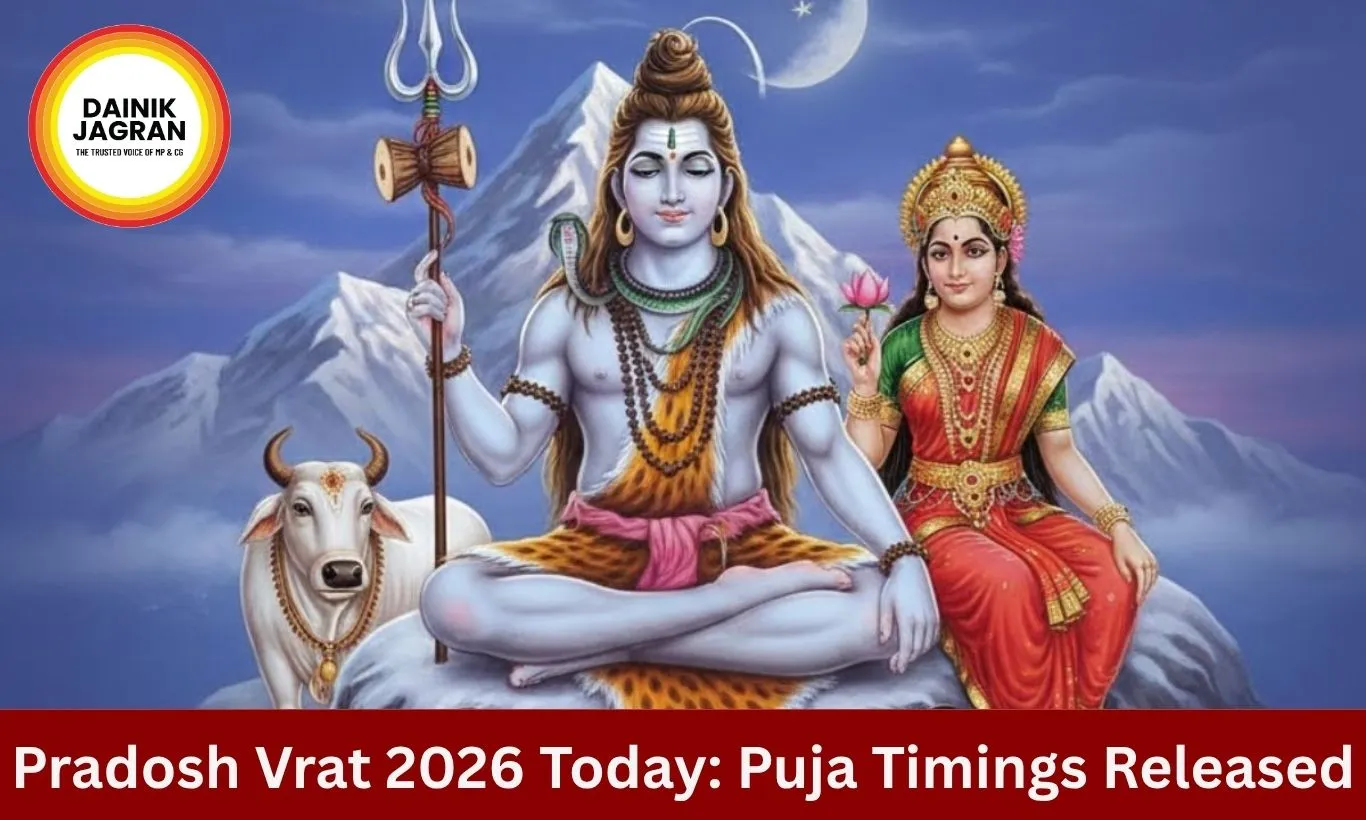
Pradosh Vrat 2026 Today: Puja Timings and Shiva Rituals

Digital Desk

Pradosh Vrat 2026 Today: Puja Timings and Shiva Rituals

Pradosh Vrat 2026 is being observed on May 14 with evening Shiva puja, fasting rituals, and special prayers dedicated to Lord Shiva and Goddess Parvati.

Pradosh Vrat is being observed across India today, May 14, 2026, with devotees of Lord Shiva and Goddess Parvati participating in fasting, evening prayers, and temple rituals during the sacred twilight period known as Pradosh Kaal. The vrat, observed on the Trayodashi Tithi of both Krishna Paksha and Shukla Paksha every month, holds major religious significance among followers of Shaivism and is considered highly auspicious for seeking spiritual growth, peace, prosperity, and divine blessings.

According to Panchang calculations, the Trayodashi Tithi for the May Krishna Paksha Pradosh Vrat began at 11:21 AM on May 14 and will continue until 08:31 AM on May 15. The Pradosha Puja Muhurat, regarded as the most favourable period for worshipping Lord Shiva, will be observed from 06:56 PM to 09:06 PM today. Sunrise on May 14 occurred at 05:50 AM, while sunset is scheduled at 06:56 PM, according to timing details calculated for Ujjain.

Pradosh Vrat is considered especially important because the evening twilight period, or Sandhyakaal, is believed to be the time when Lord Shiva and Goddess Parvati are most receptive to prayers and devotion. Devotees across temples and households are observing the vrat with rituals including fasting, Shiva Abhishekam, chanting of mantras, lighting lamps, and reading sacred texts from the Shiva Purana. Religious scholars state that worship conducted during Pradosh Kaal is believed to remove negative influences and bring blessings related to health, wealth, peace, and spiritual progress.

The word “Pradosh” refers to the early evening period after sunset, and the observance derives its name from this sacred timing. Followers of Lord Shiva traditionally begin preparations for the vrat by taking a ritual bath before sunset and preparing for evening worship. Many devotees maintain a strict fast throughout the day, while others observe partial fasting by consuming fruits, milk, and sattvic food before the puja. According to traditional Shaivite practices, the fast is usually broken after completion of the evening worship rituals.

During Pradosh Vrat, devotees worship Lord Shiva along with Goddess Parvati, Lord Ganesha, Lord Kartikeya, and Nandi. In several temples, special Shivling Abhishekam ceremonies are performed using sacred offerings such as milk, curd, honey, ghee, sandalwood paste, and holy water. Bilva leaves, considered highly sacred in Shiva worship, are offered during the rituals. Priests and devotees chant Maha Mrityunjaya Mantra and “Om Namah Shivaya” repeatedly during the puja period, believing the chants help create spiritual purity and mental peace.

Religious texts including the Skanda Purana mention the significance of Pradosh Vrat and describe it as a powerful observance for fulfilment of desires and removal of obstacles. According to Hindu mythology, Lord Shiva performs his cosmic dance during the Pradosh period, accompanied by divine beings and celestial energies. This belief has made the twilight hours of Pradosh Vrat spiritually important for meditation, prayer, and self-discipline.

Several Shiva temples across India are expected to witness increased footfall during the evening puja hours today. Devotees often visit temples after sunset to participate in collective aarti, Rudrabhishekam rituals, and special bhajan sessions organised during Pradosh Vrat. Temple authorities in many regions have also made arrangements for extended darshan hours and crowd management due to the expected increase in devotees attending evening prayers.

The significance of Pradosh Vrat is also believed to vary depending on the weekday on which it falls. The May 14 observance falls on a Thursday, making it Guruvaara Pradosh Vrat. According to religious belief, observing Pradosh Vrat on Thursday is associated with protection from dangers, blessings from ancestors, and spiritual upliftment. Devotees observing Guruvaara Pradosh often perform additional prayers seeking family welfare, wisdom, and prosperity.

Apart from temple rituals, Pradosh Vrat is widely observed at home, where devotees create prayer spaces decorated with lamps, incense, and flowers. Reading the Pradosh Vrat Katha and listening to stories related to Lord Shiva form an important part of the observance. Lighting even a single diya during Pradosh Kaal is considered highly auspicious in Hindu tradition.

Religious scholars explain that Pradosh Vrat is open to devotees of all age groups and backgrounds and continues to be one of the most widely followed Shiva observances in the Hindu calendar. The vrat combines fasting, prayer, discipline, charity, and meditation, helping devotees maintain spiritual focus and inner calm amid daily life.

The next Pradosh Vrat after today’s observance will fall on May 28, 2026. Devotees who regularly observe the vrat often follow both Krishna Paksha and Shukla Paksha Pradosh fasts every month as part of their devotional practices dedicated to Lord Shiva and Goddess Parvati.

As Pradosh Vrat is being observed today across India, the sacred occasion once again reflects the enduring importance of Shiva worship in Hindu spiritual traditions. Through fasting, evening prayers, mantra chanting, and temple rituals, devotees continue to seek divine blessings, positivity, and spiritual peace during the auspicious Pradosh Kaal.

------------

--------

🚨 Beat the News Rush – Join Now!

Get breaking alerts, hot exclusives, and game-changing stories instantly on your phone. No delays, no fluff – just the edge you need. ⚡

Tap to join: 

🟢 WhatsApp Channel: Dainik Jagran MP CG

Crave more?

🅕 Facebook: Dainik Jagran MP CG English

🅧 Twitter (X): Dainik Jagran MP CG

🅘 Instagram: Dainik Jagran MP CG

Share the fire – keep your crew ahead! 🗞️🔥

english.dainikjagranmpcg.com
14 May 2026 By Vaishnavi

Pradosh Vrat 2026 Today: Puja Timings and Shiva Rituals

Digital Desk

Pradosh Vrat is being observed across India today, May 14, 2026, with devotees of Lord Shiva and Goddess Parvati participating in fasting, evening prayers, and temple rituals during the sacred twilight period known as Pradosh Kaal. The vrat, observed on the Trayodashi Tithi of both Krishna Paksha and Shukla Paksha every month, holds major religious significance among followers of Shaivism and is considered highly auspicious for seeking spiritual growth, peace, prosperity, and divine blessings.

According to Panchang calculations, the Trayodashi Tithi for the May Krishna Paksha Pradosh Vrat began at 11:21 AM on May 14 and will continue until 08:31 AM on May 15. The Pradosha Puja Muhurat, regarded as the most favourable period for worshipping Lord Shiva, will be observed from 06:56 PM to 09:06 PM today. Sunrise on May 14 occurred at 05:50 AM, while sunset is scheduled at 06:56 PM, according to timing details calculated for Ujjain.

Pradosh Vrat is considered especially important because the evening twilight period, or Sandhyakaal, is believed to be the time when Lord Shiva and Goddess Parvati are most receptive to prayers and devotion. Devotees across temples and households are observing the vrat with rituals including fasting, Shiva Abhishekam, chanting of mantras, lighting lamps, and reading sacred texts from the Shiva Purana. Religious scholars state that worship conducted during Pradosh Kaal is believed to remove negative influences and bring blessings related to health, wealth, peace, and spiritual progress.

The word “Pradosh” refers to the early evening period after sunset, and the observance derives its name from this sacred timing. Followers of Lord Shiva traditionally begin preparations for the vrat by taking a ritual bath before sunset and preparing for evening worship. Many devotees maintain a strict fast throughout the day, while others observe partial fasting by consuming fruits, milk, and sattvic food before the puja. According to traditional Shaivite practices, the fast is usually broken after completion of the evening worship rituals.

During Pradosh Vrat, devotees worship Lord Shiva along with Goddess Parvati, Lord Ganesha, Lord Kartikeya, and Nandi. In several temples, special Shivling Abhishekam ceremonies are performed using sacred offerings such as milk, curd, honey, ghee, sandalwood paste, and holy water. Bilva leaves, considered highly sacred in Shiva worship, are offered during the rituals. Priests and devotees chant Maha Mrityunjaya Mantra and “Om Namah Shivaya” repeatedly during the puja period, believing the chants help create spiritual purity and mental peace.

Religious texts including the Skanda Purana mention the significance of Pradosh Vrat and describe it as a powerful observance for fulfilment of desires and removal of obstacles. According to Hindu mythology, Lord Shiva performs his cosmic dance during the Pradosh period, accompanied by divine beings and celestial energies. This belief has made the twilight hours of Pradosh Vrat spiritually important for meditation, prayer, and self-discipline.

Several Shiva temples across India are expected to witness increased footfall during the evening puja hours today. Devotees often visit temples after sunset to participate in collective aarti, Rudrabhishekam rituals, and special bhajan sessions organised during Pradosh Vrat. Temple authorities in many regions have also made arrangements for extended darshan hours and crowd management due to the expected increase in devotees attending evening prayers.

The significance of Pradosh Vrat is also believed to vary depending on the weekday on which it falls. The May 14 observance falls on a Thursday, making it Guruvaara Pradosh Vrat. According to religious belief, observing Pradosh Vrat on Thursday is associated with protection from dangers, blessings from ancestors, and spiritual upliftment. Devotees observing Guruvaara Pradosh often perform additional prayers seeking family welfare, wisdom, and prosperity.

Apart from temple rituals, Pradosh Vrat is widely observed at home, where devotees create prayer spaces decorated with lamps, incense, and flowers. Reading the Pradosh Vrat Katha and listening to stories related to Lord Shiva form an important part of the observance. Lighting even a single diya during Pradosh Kaal is considered highly auspicious in Hindu tradition.

Religious scholars explain that Pradosh Vrat is open to devotees of all age groups and backgrounds and continues to be one of the most widely followed Shiva observances in the Hindu calendar. The vrat combines fasting, prayer, discipline, charity, and meditation, helping devotees maintain spiritual focus and inner calm amid daily life.

The next Pradosh Vrat after today’s observance will fall on May 28, 2026. Devotees who regularly observe the vrat often follow both Krishna Paksha and Shukla Paksha Pradosh fasts every month as part of their devotional practices dedicated to Lord Shiva and Goddess Parvati.

As Pradosh Vrat is being observed today across India, the sacred occasion once again reflects the enduring importance of Shiva worship in Hindu spiritual traditions. Through fasting, evening prayers, mantra chanting, and temple rituals, devotees continue to seek divine blessings, positivity, and spiritual peace during the auspicious Pradosh Kaal.

------------

https://english.dainikjagranmpcg.com/religion/pradosh-vrat-2026-today-puja-timings-and-shiva-rituals/article-18217

Latest News

Trump Confirms Crew Safe After US Helicopter Crash Near Hormuz Trump Confirms Crew Safe After US Helicopter Crash Near Hormuz
US President Trump says helicopter crew safe after Apache crash near Strait of Hormuz amid West Asia tensions. Israel vows...
50 UK MPs urge action over PoK unrest, 11 dead
Trump approval near record low; 70% disapprove
War Impact: Iranians Buy Bread on EMI as Food Prices Surge
Twin Earthquakes Hit Iran and Cuba, Tremors Felt Across Region
148 Indians Stuck in Bangladesh Jails After Serving Sentences
Southwest Monsoon Reaches 13 States in 5 Days