US Opens Door for India to Buy Venezuelan Oil Amid Major Industry Overhaul
Digital Desk
A seismic shift in global energy trade is unfolding as the United States, now exercising direct control over Venezuela's oil industry, signals it may permit India to resume imports of sanctioned crude. This potential move, discussed during a high-stakes White House meeting with global oil executives, could reshape energy flows and offer India a new pathway to diversify its supplies.
In a significant development for global energy markets, senior Trump administration officials have indicated a readiness to allow India to resume purchases of Venezuelan crude oil. This comes as the U.S. establishes unprecedented control over Venezuela's vast oil reserves following recent geopolitical events. The shift could reintroduce a key source of heavy crude to Indian refiners like Reliance Industries, which have largely been absent from the Venezuelan market since stringent U.S. sanctions took effect.
The India-Venezuela Energy Bridge: A Potential Reopening
India, the world's third-largest oil consumer, has a well-established history with Venezuelan crude. In 2019, it imported approximately 300,000 barrels per day before U.S. sanctions reduced flows to a trickle. The grades, such as Merey-16, are heavy and high in sulfur, making them a good fit for complex refineries like those operated by Reliance.
Reliance's Active Pursuit: Sources confirm Reliance Industries is actively engaged in talks with U.S. departments to obtain a permit for purchasing Venezuelan oil. A company spokesperson stated they "await clarity on access for Venezuelan oil by non-U.S. buyers and will consider buying the oil in a compliant manner".
Strategic Diversification: Renewed access to Venezuelan crude offers India a chance to further diversify its sources. Analysts note it could provide a compliant alternative or supplement to other heavy crudes, such as Iraqi Basrah Heavy or Russian barrels, amid Western pressure to reduce imports from Russia.
Industry Giants Exercise Caution at White House Summit
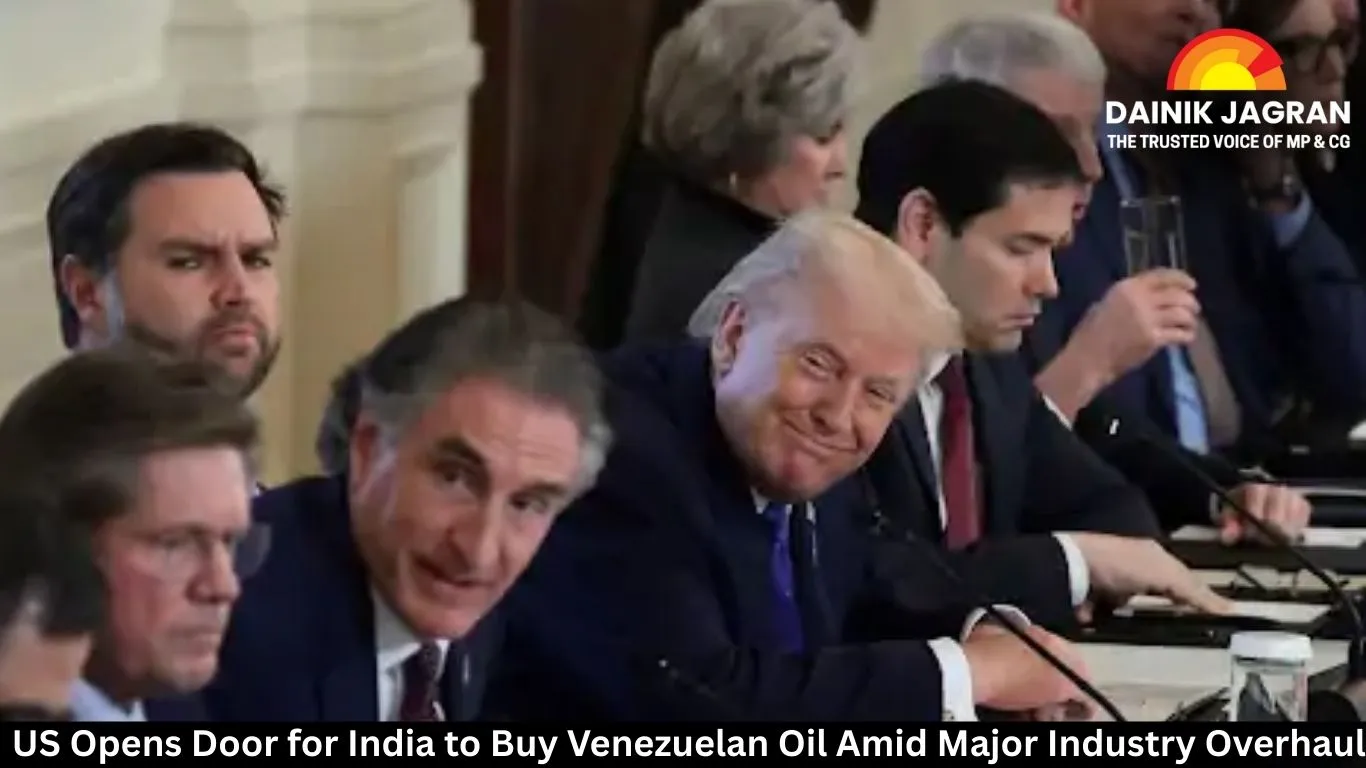
The prospect of reopening Venezuela's oil sector was the central topic at a White House meeting on January 9, where President Donald Trump sought massive private investment—reportedly up to $100 billion—to revitalize the crippled industry. However, the response from major oil executives was marked by caution rather than immediate commitment.
ExxonMobil CEO Darren Woods delivered a stark assessment, calling the country "uninvestable" under current conditions and noting the company has had its assets seized there twice before. He emphasized that any return would require "significant changes" to legal frameworks and "durable investment protections". This sentiment reflects the deep-seated challenges of decades of mismanagement, underinvestment, and political instability that have slashed Venezuela's output from a peak of 3.5 million barrels per day to under 1 million today.
U.S. Control and Global Market Implications
The Trump administration has made it clear that any revival of Venezuela's oil trade will be firmly under U.S. oversight. Energy Secretary Chris Wright stated the U.S. would market the crude and control the proceeds. This model, where revenues flow into U.S.-controlled accounts, is designed to prevent funds from reaching former regime leaders and to maintain leverage over the current interim government led by Delcy Rodríguez.
This level of control over the world's largest proven oil reserves could grant the U.S. significant influence over global supplies and prices. However, analysts urge tempered expectations. David Goldwyn of Goldwyn Global Strategies noted that without physical security and legal certainty, major investments are unlikely, and any near-term production boosts will be modest.
What This Means for Global Energy Security
The potential reopening of Venezuelan oil to India represents more than a simple trade deal. It is a test case for a new model of U.S.-managed energy resources aimed at reshaping global alliances.
For India, it represents a pragmatic opportunity to secure favorable crude for its refineries and potentially unlock value from its upstream investments in Venezuelan fields through ONGC Videsh. For the global market, it introduces a new variable, though one unlikely to cause a price shock soon given the immense time and capital required to restore Venezuela's production capacity.
As the U.S. positions itself as the dominant broker of Venezuelan oil, the world is watching to see if this ambitious geopolitical gambit can translate into stable, market-altering energy flows or if it will be hampered by the profound challenges that have plagued Venezuela for a generation.
The path forward hinges on translating high-stakes diplomacy and executive meetings into durable legal frameworks that can attract the hundreds of billions in investment needed—a challenge that has so far left even the world's largest oil companies in a "wait-and-watch" mode.