
Monday Remedies: Worship of Lord Shiva as a Path to Prosperity; Know Which Practices Are Considered Effective
Digital Desk
Monday is considered especially significant for the worship of Lord Shiva. According to religious beliefs, the day is dedicated to Shiva devotion, which is why devotees across many parts of the country visit Shiva temples on Mondays to offer water, milk, and bel leaves. As described in astrology and religious scriptures, certain rituals performed on Mondays are believed to help bring happiness, prosperity, mental peace, and stability in life.
Shiva devotees believe that Lord Shiva is easily pleased. People facing challenges related to employment, financial difficulties, health issues, or family stress often perform abhishek (ritual bathing of the Shivling) and chant mantras on Mondays. This is why Shiva temples witness large gatherings of devotees from early morning every Monday.
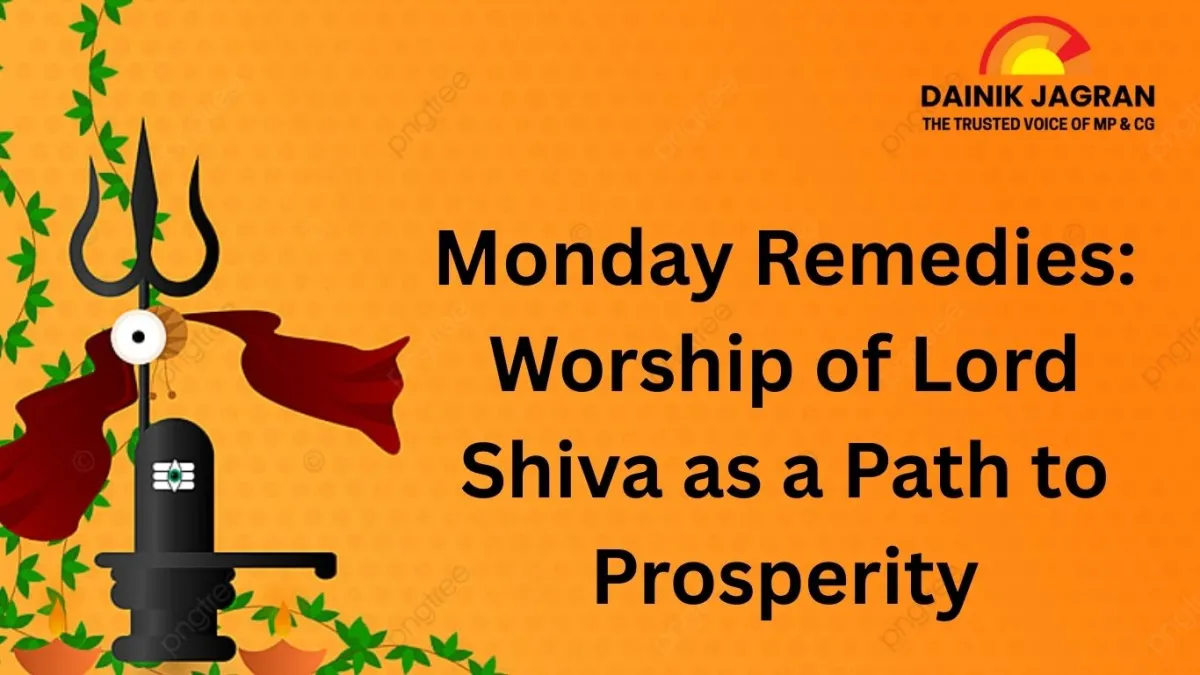
According to religious texts and traditions, after taking a bath in the morning, offering pure water, raw milk, Ganga water, honey, and bel leaves on the Shivling is considered auspicious. These offerings are associated with prayers for prosperity, good fortune, and overall well-being.
Chanting “Om Namah Shivaya” or the Mahamrityunjaya Mantra is believed to help relieve illness, fear, and obstacles. Many devotees also donate items such as rudraksha, milk, or sugar on Mondays, which is traditionally linked to strengthening one’s financial condition.
Connection with Daily Life
Certain beliefs suggest that offering bel leaves smeared with honey on the Shivling brings peace and positive energy into the household. Those experiencing financial difficulties often light a ghee lamp in a Shiva temple on Monday evenings. Devotees seeking growth and success in their careers pray for achievement while offering honey on the Shivling.
Beliefs Related to Health and Mental Peace
For health benefits, there is a tradition of offering water, milk, rice grains (akshat), and black sesame seeds on the Shivling, followed by aarti. Wearing white or light-colored clothes on Mondays is associated with mental calmness and positivity. In some regions, offering aak or madar flowers is considered symbolic of the removal of poverty.
Religious scholars note that these practices are rooted in faith and belief. They are also seen as a means to encourage discipline, positive thinking, and self-confidence in daily life. Regular worship and a balanced lifestyle, they say, help strengthen mental resilience and inner stability.

--------
🚨 Beat the News Rush – Join Now!
Get breaking alerts, hot exclusives, and game-changing stories instantly on your phone. No delays, no fluff – just the edge you need. ⚡
Tap to join:
🟢 WhatsApp Channel: Dainik Jagran MP CG
Crave more?
🅕 Facebook: Dainik Jagran MP CG English
🅧 Twitter (X): Dainik Jagran MP CG
🅘 Instagram: Dainik Jagran MP CG
Share the fire – keep your crew ahead! 🗞️🔥
Monday Remedies: Worship of Lord Shiva as a Path to Prosperity; Know Which Practices Are Considered Effective
Digital Desk
Shiva devotees believe that Lord Shiva is easily pleased. People facing challenges related to employment, financial difficulties, health issues, or family stress often perform abhishek (ritual bathing of the Shivling) and chant mantras on Mondays. This is why Shiva temples witness large gatherings of devotees from early morning every Monday.
According to religious texts and traditions, after taking a bath in the morning, offering pure water, raw milk, Ganga water, honey, and bel leaves on the Shivling is considered auspicious. These offerings are associated with prayers for prosperity, good fortune, and overall well-being.
Chanting “Om Namah Shivaya” or the Mahamrityunjaya Mantra is believed to help relieve illness, fear, and obstacles. Many devotees also donate items such as rudraksha, milk, or sugar on Mondays, which is traditionally linked to strengthening one’s financial condition.
Connection with Daily Life
Certain beliefs suggest that offering bel leaves smeared with honey on the Shivling brings peace and positive energy into the household. Those experiencing financial difficulties often light a ghee lamp in a Shiva temple on Monday evenings. Devotees seeking growth and success in their careers pray for achievement while offering honey on the Shivling.
Beliefs Related to Health and Mental Peace
For health benefits, there is a tradition of offering water, milk, rice grains (akshat), and black sesame seeds on the Shivling, followed by aarti. Wearing white or light-colored clothes on Mondays is associated with mental calmness and positivity. In some regions, offering aak or madar flowers is considered symbolic of the removal of poverty.
Religious scholars note that these practices are rooted in faith and belief. They are also seen as a means to encourage discipline, positive thinking, and self-confidence in daily life. Regular worship and a balanced lifestyle, they say, help strengthen mental resilience and inner stability.