


Supreme Court Directs Netflix to Rename ‘Ghooskhor Pandit’, Seeks Fresh Title by Noon
Digital Desk
A bench hearing the matter said filmmakers cannot insult any community in the name of creative expression. “You cannot insult any section of society by using such a title. This is against morality and public order,” the court observed, cautioning against the use of provocative names for publicity.
The court made it clear that the film would not be allowed to release until the revised title is placed on record. It also directed Pandey to file an affidavit stating that the film does not intend to insult or demean any social group. The matter has been listed for further hearing on February 19.
The controversy began on February 3, 2026, when Netflix released a teaser of the Manoj Bajpayee-starrer. The title immediately drew criticism from members of the Brahmin community, who objected to the use of the word “Pandit” — traditionally associated with scholars and priests — alongside “Ghooskhor,” meaning corrupt.
Protests were reported in several cities, and complaints were filed alleging that the film’s title tarnishes the dignity of the community. Mumbai-based lawyer Ashutosh Dubey also issued a legal notice to Netflix, arguing that linking a respected term with corruption was irresponsible and defamatory.
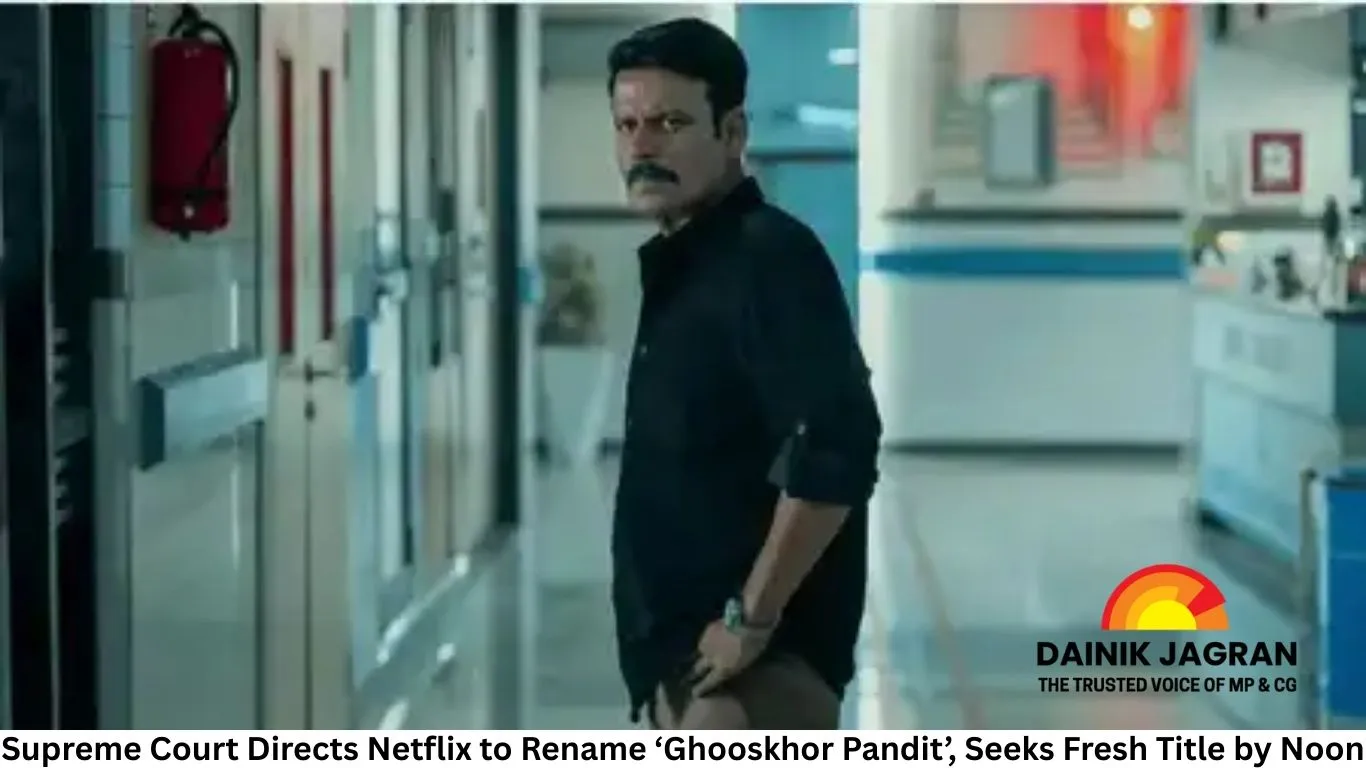
In the teaser, Bajpayee plays Senior Inspector Ajay Dixit, nicknamed “Pandit” in Delhi. The character is depicted as a disgraced police officer who has faced repeated demotions over a 20-year career. Petitioners contend that the portrayal reinforces negative stereotypes and deliberately targets a particular caste identity.
The filmmakers have not issued a detailed public response but are expected to comply with the court’s directive and submit a revised title. The case has reignited debate over the limits of artistic freedom and the responsibility of creators in a diverse society.
Legal experts note that while freedom of expression is constitutionally protected, it is subject to reasonable restrictions in the interest of public order and decency. The Supreme Court’s intervention underscores the judiciary’s willingness to weigh in on cultural disputes when community sensitivities are invoked.
The final decision on the film’s release now hinges on the revised title and the court’s assessment in the upcoming hearing.
1.jpg)

1.jpg)
1.jpg)
1.jpg)
1.jpg)
