


The 2026 Oscars: A Critical Examination of Persistent Mediocrity in Hollywood’s Premier Ceremony
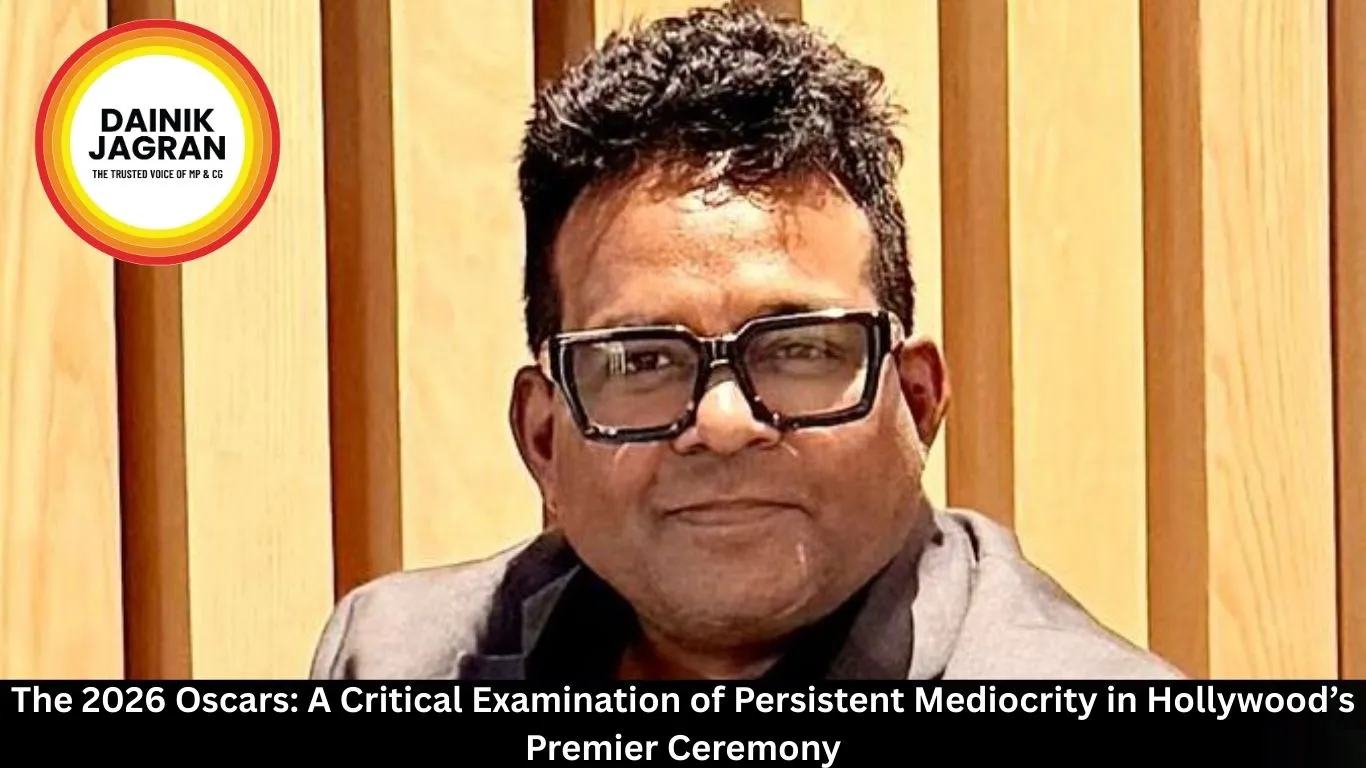
Girish Wankhede
Far from seizing the moment, the event perpetuated a well-established pattern of Oscars mediocrity, where routine execution overshadowed any potential for genuine impact.
Historically, the Academy Awards have often been defined by controversies that, however contentious, injected energy and provoked necessary dialogue. The 2017 Best Picture envelope mix-up between La La Land and Moonlight laid bare procedural incompetence; the 2022 onstage slap by Will Smith against host Chris Rock exposed the perils of unchecked celebrity privilege; and the #OscarsSoWhite campaigns of 2015–2016 forced a reckoning with systemic racial exclusion in nominations and wins. In stark contrast, the 2026 ceremony suffered from a complete lack of such drama or disruption, resulting in a sterile broadcast that highlighted Hollywood’s growing alienation from its global audience and contemporary realities.
The pre-show red carpet set the tone for this detachment, offering little more than predictable displays of opulence. While celebrities appeared in refreshed wardrobes, the segment lacked the daring fashion moments or unscripted exchanges that have historically sparked widespread conversation; such as Lady Gaga’s provocative meat dress in 2010 or Björk’s eccentric swan gown in 2001. Instead, it unfolded as a polished but uninspired corporate procession with scant social media traction. Priyanka Chopra’s assignment as a presenter exemplified the Academy’s superficial engagement with diversity; her inclusion felt perfunctory and mismatched, failing to leverage her international prominence in any substantive way and echoing longstanding criticisms of the Oscars’ tokenistic treatment of non-Western talent and global cinema.
Host Conan O’Brien’s opening monologue immediately established a baseline of mediocrity. Oscars monologues traditionally serve as sharp, incisive commentary that engages viewers and critiques industry norms, yet O’Brien’s was tepid, overly protracted, and hampered by awkward pauses that drained momentum. His self-deprecating remark about being the “last human host” before AI assumes control acknowledged existential threats to the profession but lacked the biting satire of predecessors like Ricky Gervais in 2020, who unflinchingly exposed celebrity hypocrisy. The jab at Netflix CEO Ted Sarandos, pointing to the Dolby Theatre as a “real cinema”, reiterated familiar streaming-versus-theatrical tensions without fresh insight. Additional bits, including labeling Leonardo DiCaprio “ultimate meme fodder” with an unsolicited photo and uninspired props like cardboard cutouts manipulated with table tennis paddles, contributed to a reported 15% viewership decline from the prior year, per preliminary Nielsen data.
The awards segment only deepened these deficiencies. The ceremony opened with Best Supporting Actress going to Amy Madigan for Weapons’, a choice widely viewed as safe and underwhelming compared to standout performances by Teyana Taylor in One Battle After Another and Wunmi Mosaku in Sinners; both delivering layered intensity in their work. Madigan’s acceptance speech was disjointed and devoid of gravitas, reinforcing an atmosphere of complacency that lingered throughout. Audience responses remained muted, with applause frequently appearing obligatory.
Scattered moments provided limited relief. The Makeup and Hairstyling award for Frankenstein offered a brief spark of recognition for inventive craft, while the Costume Design presentation included a mildly engaging exchange. The inaugural Achievement in Casting category marked a progressive milestone, with past Best Supporting Actress winners—including Regina King and Ariana DeBose—honoring their collaborators onstage. Cassandra Kulukundis’s win for One Battle After Another rightly celebrated the crucial, often invisible work of casting directors, delivering one of the evening’s few genuine acknowledgments of institutional evolution.
These positives, however, were overshadowed by persistent operational and conceptual failures. Presenter Kumail Nanjiani stumbled through the Short Films announcements, diluting the category’s visibility. The historic Best Cinematography win for Autumn Durald Arkapaw on Sinners, making her the first woman and first person of color to claim the prize, was undercut by lackluster execution and overshadowed by the night’s broader flatness. Winners from K-Pop Demon Hunters (which also secured Best Original Song for “Golden”) faced abrupt time cuts, provoking visible frustration. The In Memoriam segment proved particularly indefensible, omitting Bollywood legend Dharmendra (who passed away on November 24, 2025, at age 89) amid a hurried, poorly scripted tribute—a lapse reminiscent of similar oversights in 2018 that drew widespread condemnation.
The production’s disarray extended to uncoordinated presenter transitions and technical issues, including audio glitches and excessive commercial interruptions. Politically, the ceremony remained conspicuously inert. Amid escalating conflicts in Gaza-Israel and Ukraine, as well as renewed domestic divisions tied to Donald Trump’s political influence, no meaningful statements emerged. This avoidance, set against ongoing SAG-AFTRA labor tensions and AI-driven workforce disruptions, reflected a spineless reluctance to engage with controversy, standing in sharp opposition to landmark moments like Marlon Brando’s 1973 proxy refusal via Sacheen Littlefeather to protest Native American mistreatment. Delroy Lindo’s pointed refusal to applaud Sean Penn’s Best Supporting Actor win for One Battle After Another signaled unresolved industry frictions but received no acknowledgment.
https://www.instagram.com/reel/DWBI2RzEz4b/?igsh=NGNhMmdrZmJ3MXZ6
The finale saw One Battle After Another claim Best Picture and Adapted Screenplay for Paul Thomas Anderson, along with additional wins for directing, editing, and casting; yet the outcome felt inevitable rather than triumphant, lacking the electrifying surprises of past upsets like Crash prevailing over Brokeback Mountain in 2006. Prolonged speeches diluted emotional impact, while sparse musical performances and an earlier start time failed to sustain energy.
Ultimately, the 2026 Oscars crystallized Hollywood’s entrenched challenges: an overdependence on predictable formulas, deliberate evasion of pressing societal issues, and a widening gulf between the industry and its audiences. Unlike earlier controversies that catalyzed change, this edition’s sheer banality threatens to hasten disengagement and diminish relevance. As artificial intelligence advances and diverse global cinemas gain prominence, the Academy faces an urgent imperative for meaningful reform to restore its stature as a cultural institution, before obsolescence becomes inevitable.

.jpg)
.jpg)

.jpg)




