Cigarette Price Hike 2026: Smokers Brace for 15-40% Jump in Costs from February 1
Digital Desk
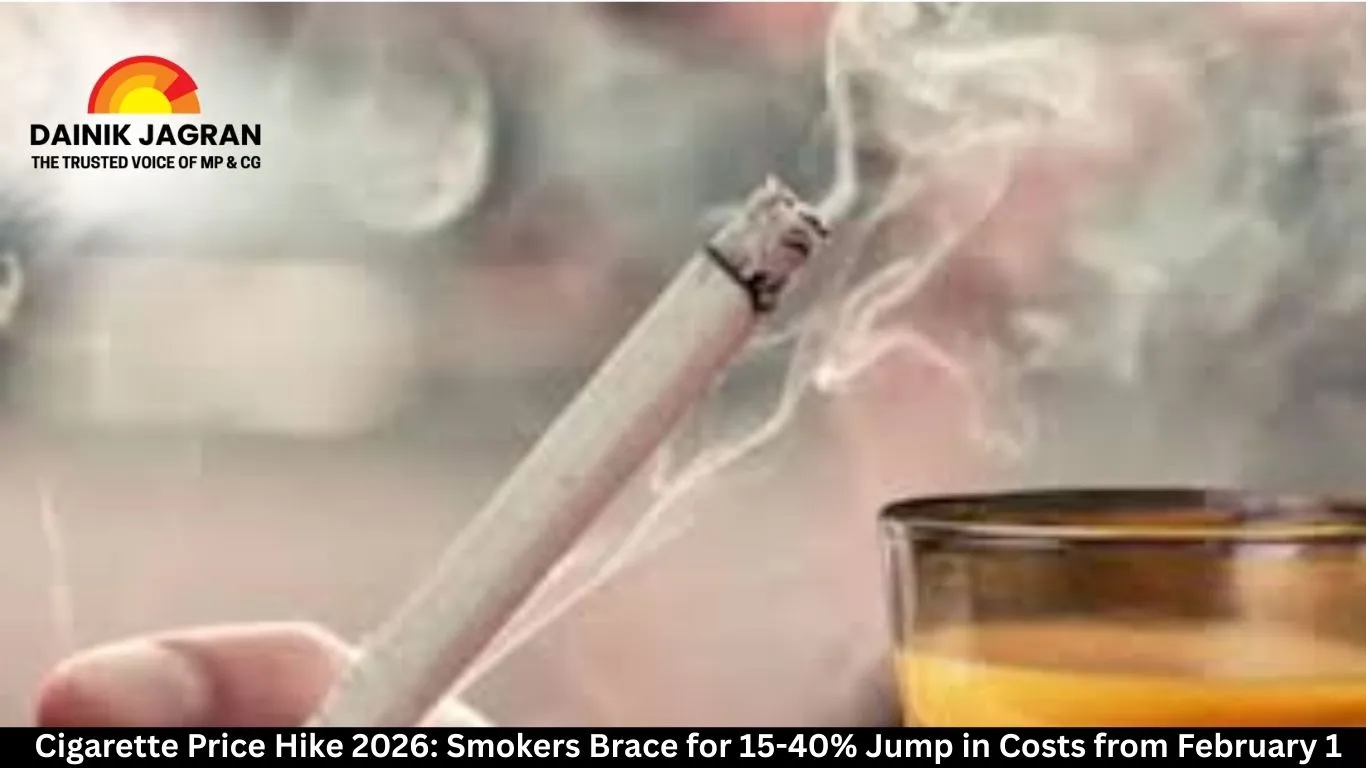
In a move that's lighting up headlines just days into the new year, India's finance ministry has slapped a fresh excise duty on cigarettes, set to ignite a significant cigarette price hike 2026 starting February 1.
This overhaul, the first major tweak since GST in 2017, targets the nation's estimated 100 million smokers amid rising health concerns and revenue needs. As packs of favorites like Gold Flake and Marlboro edge toward double-digit increases, daily puffers could shell out hundreds more annually—prompting calls for quitting before the burn hits wallets harder.
Breaking Down the New Tobacco Excise Duty India
The notification, issued late December 31, reintroduces a specific central excise duty ranging from ₹2,050 to ₹8,500 per 1,000 sticks, scaled by cigarette length. Shorter sticks (under 65mm) face the lowest levy at ₹2,050, while king-size variants over 85mm could see up to ₹8,500—on top of the existing 40% GST. Analysts predict this could translate to a 22-28% cost surge for mid-length smokes, pushing retail prices up 15-40% overall.
For context, a standard ₹18 cigarette might climb to ₹21-22 post-hike, per early estimates. Pan masala and beedis aren't spared either, with similar duties aiming to curb broader tobacco use. This isn't just inflation-proofing; it's a deliberate push to make smoking less appealing, aligning with WHO's 75% tax benchmark—India currently lags at 53% of retail price.
How the Smoking Cost Increase Hits Popular Brands
Brand loyalists, take note: The cigarette price hike 2026 won't treat all sticks equal. Mass-market shorties like basic Navy Cut may rise modestly by ₹2-3 per stick, but premium king-sizes—think Marlboro Reds or Gold Flake Premium—could jump ₹5-11 each. ITC's Ice Burst, a flavored hit among youth, faces the steepest climb, potentially deterring impulse buys.
- Gold Flake Kings: Up ~₹4-5 per stick, adding ₹80-100 to a carton.
- Marlboro (Godfrey Phillips): ₹3-6 hike, hitting urban smokers hardest.
- Classic Milds: Moderate ₹2-4 increase for 70-75mm lengths.
Manufacturers like ITC may absorb some costs on volume drivers to retain market share, but experts warn full pass-through on luxury lines is likely.
Market Jitters: ITC Shares Tumble on Announcement
Tobacco titans felt the heat immediately. ITC shares plunged 9.4% to ₹365 on January 1, while Godfrey Phillips shed 15.7%. "This levy disrupts pricing equilibrium, squeezing margins unless volumes hold," notes ICICI Securities analyst Priya Shah. Yet, some see silver linings: Higher prices could trim consumption by 10-15%, easing long-term health burdens estimated at billions in cancer treatments.
Why This Matters Now in India's Health Landscape
Kicking off 2026, this tobacco excise duty India revamp ties into broader lifestyle shifts. Post-pandemic, tobacco-linked diseases strain public health—cancer cases alone cost ₹1 lakh crore yearly. With youth vaping on the rise, the hike doubles as a cultural nudge: Smoking isn't just uncool; it's unaffordable. For UPSC aspirants tracking policy, it's a prime example of fiscal tools for social good, echoing global anti-tobacco trends.
Practical Takeaways: Quitting Before the Price Spike
Don't wait for February—act now. Health experts like Dr. Rajesh Gupta from AIIMS recommend:
- Nicotine patches or apps: Free government helplines (1800-11-2356) offer counseling.
- Budget swap: Redirect ₹500 monthly savings to fitness trackers.
- Community support: Join quit-smoking groups on apps like QuitNow.
Simulated by WHO affiliates, success rates hit 30% with structured plans—far better than cold turkey.
As the cigarette price hike 2026 reshapes habits, it's a stark reminder: Every puff costs more than rupees. For smokers, this could be the spark for change; for policymakers, a win in the war on tobacco. Stay tuned for brand-specific updates as firms recalibrate.