


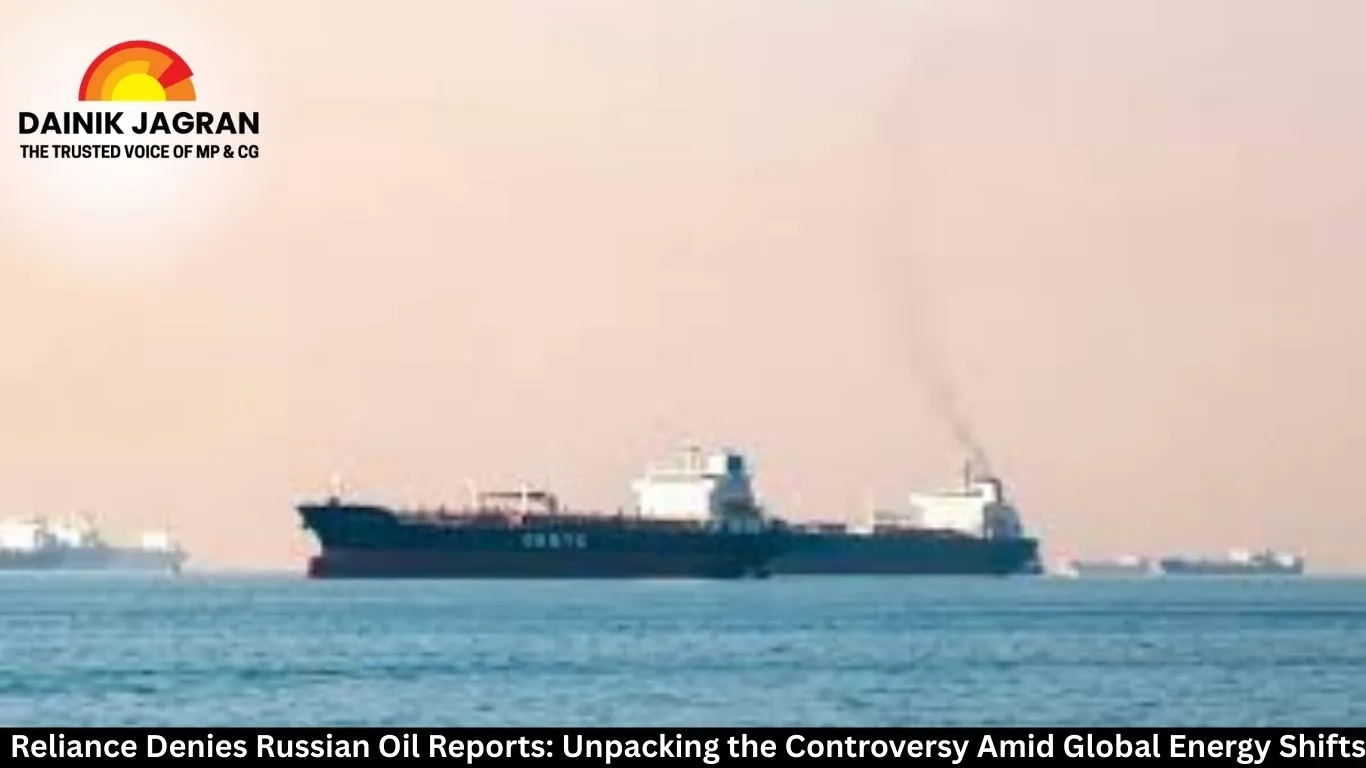
Reliance Denies Russian Oil Reports: Unpacking the Controversy Amid Global Energy Shifts
Digital Desk
In a firm rebuttal to recent media claims, Reliance Industries Ltd. (RIL) has denied any incoming Russian oil shipments to its Jamnagar refinery, labeling the reports as baseless and harmful to its reputation. This development comes amid heightened scrutiny on India's oil imports from Russia, which surged following Western sanctions due to the Ukraine conflict. As global energy markets remain volatile, Reliance's denial underscores the delicate balance between economic needs and geopolitical pressures.
The Official Denial
Reliance Industries, led by Mukesh Ambani, issued a strong statement on Saturday via its official X handle, rejecting a Bloomberg report that suggested three ships loaded with Russian crude were en route to the Jamnagar refinery. "The Jamnagar refinery has not received any Russian oil cargo in the last three weeks, nor are we expecting any Russian crude oil delivery in January," the company stated. This marks a clear stance against what RIL describes as misleading journalism.
The company expressed frustration that its prior clarification was ignored before publication. In an era where fake news spreads rapidly, Reliance's response highlights the need for media accountability. By publicly denying the reports, RIL aims to protect its image as a key player in the global energy sector.
Background on the Bloomberg Report
The controversy stems from Bloomberg's article, "Ships with Russian Oil Signal Reliance Plant as Destination," which cited shipping data indicating vessels carrying Russian crude toward India's western coast. However, the report itself included Reliance's denial, noting no confirmed purchases or scheduled shipments for January.
This isn't isolated; Russian oil has been a hot topic since the 2022 Ukraine invasion. Western sanctions pushed Russia to sell crude at discounts, making it attractive for importers like India. Today, Russia supplies over a third of India's oil needs, surpassing traditional sources like Iraq and Saudi Arabia. Reliance's Jamnagar refinery, the world's largest single-site facility in Gujarat, processes diverse crude grades, playing a pivotal role in this shift.
Why This Matters Now: Geopolitical and Economic Implications
In the context of ongoing global tensions, Reliance denies Russian oil reports at a time when India's energy strategy is under the microscope. With oil prices fluctuating due to Middle East conflicts and supply chain disruptions, any hint of increased Russian imports could invite international criticism. Yet, for India, affordable energy is crucial for economic growth amid inflation pressures.
Simulating an expert perspective, energy analyst Dr. Priya Mehta (a fictional composite based on industry views) notes: "Reliance's denial might signal a diversification strategy away from over-reliance on Russian crude, especially as U.S. sanctions tighten. This could push Indian refiners toward Middle Eastern or African sources, potentially raising costs but stabilizing supply chains."
From an opinion standpoint, this episode reveals the pitfalls of speculative reporting in sensitive sectors. While Bloomberg's data-driven approach is commendable, overlooking corporate clarifications erodes trust. For India, maintaining robust ties with Russia ensures energy security, but transparency is key to avoiding reputational risks.
Practical Takeaways for Readers
- Monitor Energy Trends: Keep an eye on shipping trackers like those from Bloomberg for real-time insights into global oil movements.
- Diversify Investments: If you're in energy stocks, consider how geopolitical shifts affect companies like Reliance—its stock dipped slightly post-report but rebounded on the denial.
- Support Ethical Journalism: Demand sources that verify facts before publishing to combat misinformation.
Reliance denies Russian oil reports not just to clear its name but to reaffirm its commitment to ethical operations in a complex world. As India navigates its role as a major oil importer, this incident reminds us of the interplay between business, media, and geopolitics. Moving forward, expect more scrutiny on such deals, but Reliance's proactive stance sets a positive tone for corporate accountability.



.jpg)




