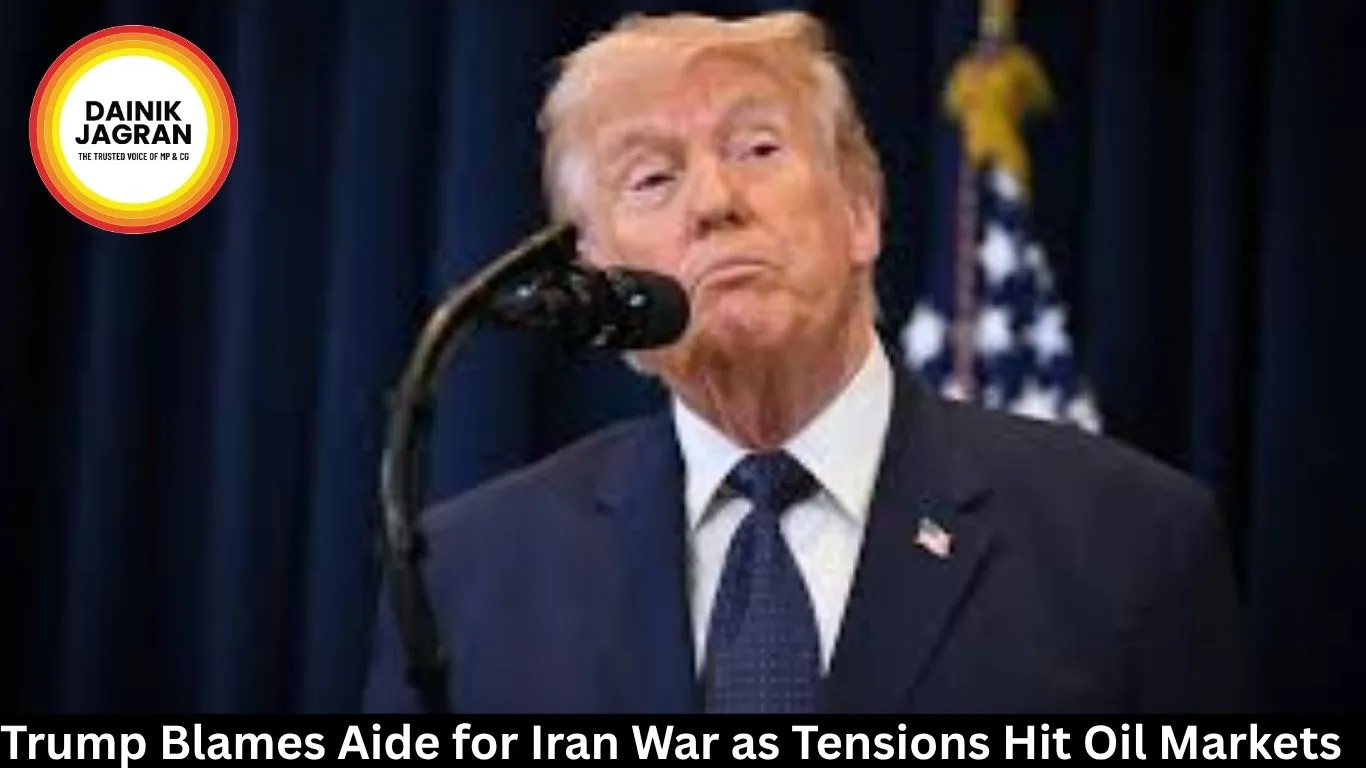
Trump Blames Aide for Iran War as Tensions Hit Oil Markets

Digital Desk

Trump Blames Aide for Iran War as Tensions Hit Oil Markets

Trump blames aide for Iran war amid rising global tensions; Tehran leverages oil routes while economic risks grow for India and global markets


Lead Developments

US President Donald Trump has indicated that a key aide may have pushed for military action against Iran, as the ongoing conflict begins to weigh heavily on global markets and domestic political pressures in the United States. The remarks came alongside a temporary five-day pause in strikes, signalling possible recalibration in Washington’s approach.

The Iran war, launched in coordination with Israel, has already disrupted oil supply chains and triggered retaliatory posturing from Tehran, raising concerns across international corridors.

Blame Shift Signals

During a recent public interaction on March 23, Trump recalled internal discussions before the strikes, suggesting that Defence Secretary Pete Hegseth was among the first to advocate military action. While the President did not directly absolve himself, the remarks pointed to internal decision-making dynamics within the administration.

According to officials tracking the situation, the pause in operations is being positioned as part of ongoing diplomatic outreach, though no formal breakthrough has been announced so far.

Five-Day Pause Strategy

Trump described the temporary halt as a “productive window” for dialogue. However, strategic analysts believe the pause could also serve military objectives, allowing time for repositioning of US forces in the Gulf region.

Sources indicated that troop mobilisation and logistical planning may be underway, suggesting that the pause does not necessarily signal de-escalation but could precede a broader operational shift.

Conflict Background Context

The current escalation follows a series of earlier confrontations involving Iran, Israel, and US interests in West Asia. Washington’s assessment of Iran’s internal instability and weakened regional position reportedly influenced the decision to act.

However, as the conflict stretches beyond initial expectations, economic and geopolitical costs have begun to mount, complicating the administration’s narrative.

Expert Views Emerging

International affairs experts have underscored that ultimate responsibility rests with the US President, regardless of advisory inputs. Analysts note that leadership decisions in conflict scenarios are rarely insulated from political calculations.

Some observers also pointed to the administration’s expectations of a swift outcome, which have not materialised, contributing to the current recalibration in messaging.

Iran’s Strategic Leverage

Tehran, meanwhile, has signalled its readiness to escalate economic pressure by leveraging its control over the Strait of Hormuz, a critical artery for global oil shipments.

Iranian officials have maintained that any resolution would require compensation, sanctions relief, and guarantees against future intervention. The stance reflects a shift towards using economic leverage rather than direct military confrontation.

This has heightened volatility in global oil markets, with prices showing upward movement amid fears of supply disruption.

India Economic Concerns

For India, the conflict carries significant economic implications. As a major oil importer, any sustained rise in crude prices could fuel inflation and strain fiscal balances.

Government sources indicated that currency pressures and potential disruptions in remittances from the Gulf region are also being closely monitored. The developments have placed the situation firmly within the ambit of Latest News Today and broader India News Update cycles.

What Lies Ahead

Diplomatic efforts are expected to intensify in the coming days, with multiple countries exploring mediation channels. However, the gap between US and Iranian positions remains substantial.

Analysts believe the trajectory of the Iran war will depend on both military calculations and economic pressures, particularly oil market stability. As the situation evolves, it continues to dominate the global agenda as a major Public Interest Story and Trending News India topic, with implications stretching across national and international policy frameworks.


 

english.dainikjagranmpcg.com
25 Mar 2026 By Abhishek Joshi

Trump Blames Aide for Iran War as Tensions Hit Oil Markets

Digital Desk

Lead Developments

US President Donald Trump has indicated that a key aide may have pushed for military action against Iran, as the ongoing conflict begins to weigh heavily on global markets and domestic political pressures in the United States. The remarks came alongside a temporary five-day pause in strikes, signalling possible recalibration in Washington’s approach.

The Iran war, launched in coordination with Israel, has already disrupted oil supply chains and triggered retaliatory posturing from Tehran, raising concerns across international corridors.

Blame Shift Signals

During a recent public interaction on March 23, Trump recalled internal discussions before the strikes, suggesting that Defence Secretary Pete Hegseth was among the first to advocate military action. While the President did not directly absolve himself, the remarks pointed to internal decision-making dynamics within the administration.

According to officials tracking the situation, the pause in operations is being positioned as part of ongoing diplomatic outreach, though no formal breakthrough has been announced so far.

Five-Day Pause Strategy

Trump described the temporary halt as a “productive window” for dialogue. However, strategic analysts believe the pause could also serve military objectives, allowing time for repositioning of US forces in the Gulf region.

Sources indicated that troop mobilisation and logistical planning may be underway, suggesting that the pause does not necessarily signal de-escalation but could precede a broader operational shift.

Conflict Background Context

The current escalation follows a series of earlier confrontations involving Iran, Israel, and US interests in West Asia. Washington’s assessment of Iran’s internal instability and weakened regional position reportedly influenced the decision to act.

However, as the conflict stretches beyond initial expectations, economic and geopolitical costs have begun to mount, complicating the administration’s narrative.

Expert Views Emerging

International affairs experts have underscored that ultimate responsibility rests with the US President, regardless of advisory inputs. Analysts note that leadership decisions in conflict scenarios are rarely insulated from political calculations.

Some observers also pointed to the administration’s expectations of a swift outcome, which have not materialised, contributing to the current recalibration in messaging.

Iran’s Strategic Leverage

Tehran, meanwhile, has signalled its readiness to escalate economic pressure by leveraging its control over the Strait of Hormuz, a critical artery for global oil shipments.

Iranian officials have maintained that any resolution would require compensation, sanctions relief, and guarantees against future intervention. The stance reflects a shift towards using economic leverage rather than direct military confrontation.

This has heightened volatility in global oil markets, with prices showing upward movement amid fears of supply disruption.

India Economic Concerns

For India, the conflict carries significant economic implications. As a major oil importer, any sustained rise in crude prices could fuel inflation and strain fiscal balances.

Government sources indicated that currency pressures and potential disruptions in remittances from the Gulf region are also being closely monitored. The developments have placed the situation firmly within the ambit of Latest News Today and broader India News Update cycles.

What Lies Ahead

Diplomatic efforts are expected to intensify in the coming days, with multiple countries exploring mediation channels. However, the gap between US and Iranian positions remains substantial.

Analysts believe the trajectory of the Iran war will depend on both military calculations and economic pressures, particularly oil market stability. As the situation evolves, it continues to dominate the global agenda as a major Public Interest Story and Trending News India topic, with implications stretching across national and international policy frameworks.

 

https://english.dainikjagranmpcg.com/special-news/trump-blames-aide-for-iran-war-as-tensions-hit-oil/article-15951

Related Posts

Advertisement

Latest News