

Iran Mocks Trump Over 'Strait of Trump' Hormuz Remark

Digital Desk

Iran Mocks Trump Over 'Strait of Trump' Hormuz Remark

Iran's political leaders ridiculed Donald Trump after he jokingly called the Strait of Hormuz the 'Strait of Trump' at a Miami summit amid the ongoing US-Iran war.

The Remark That Travelled Fast

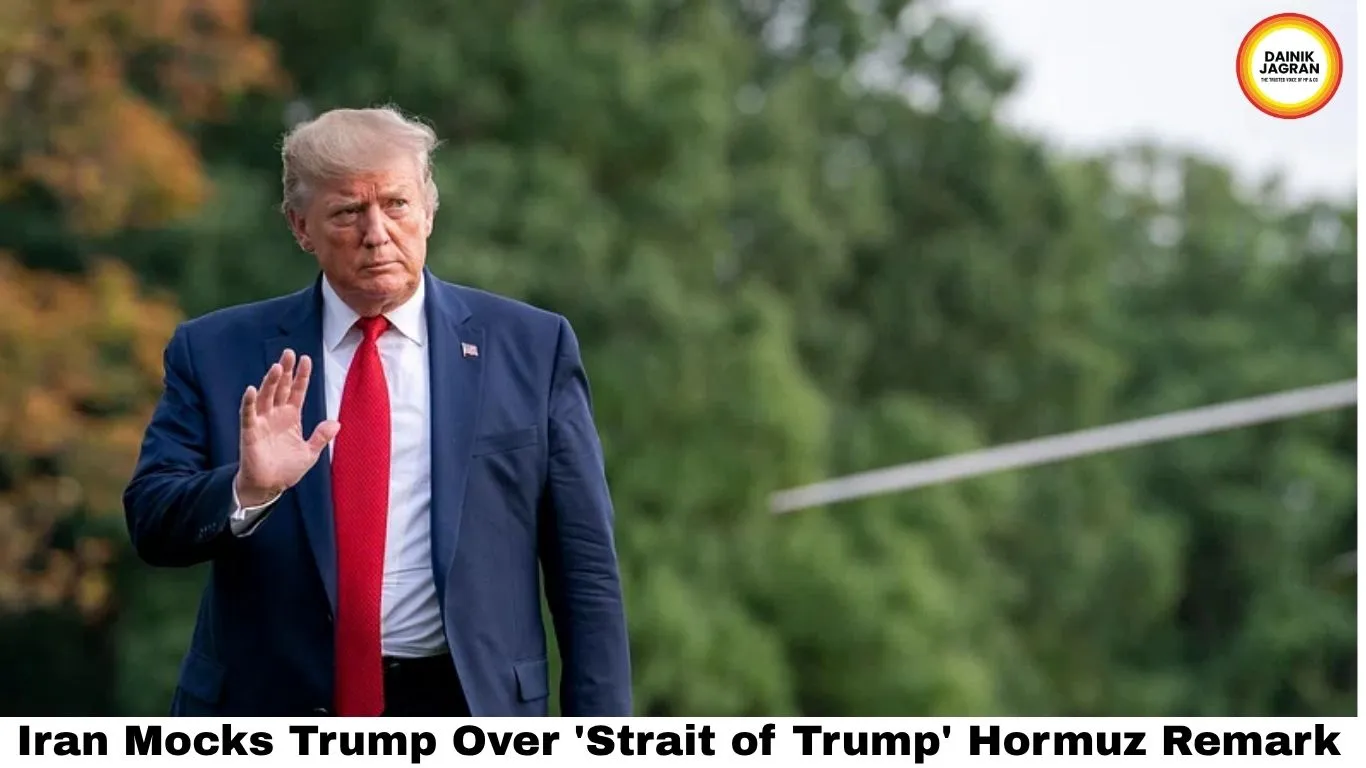
It began as a joke — or at least that was how it was packaged. Speaking at the Future Investment Initiative Priority Summit in Miami on Friday, March 27, President Donald Trump casually dropped one of his signature improvisations into an otherwise sober policy speech.

"They have to open up the Strait of Trump — I mean, Hormuz," Trump told the audience, drawing laughter and applause from the gathering of global investors. He then leaned into it, feigning apology before making his intent perfectly clear.

"Excuse me. I'm so sorry. Such a terrible mistake. The fake news will say, 'He accidentally said' — No, there's no accidents with me, not too many," the President added, signalling that the remark was deliberate, not a slip of the tongue.


Tehran Pounces

In Iran, the reaction was swift — and contemptuous. Senior political figures treated Trump's remark not as a punchline but as a political gift, using it to reinforce their domestic narrative of American overreach and strategic bluster.

Mohammad Bagher Ghalibaf, the speaker of the Iranian parliament, posted a pointed jab on X: "How can the US, which can't even protect its own soldiers at its bases in the region and instead leaves them stashed away in hotels and parks, protect them on our soil?" Though his comment targeted the broader military situation, it was widely read as a response to the escalating rhetoric from Washington.

Iranian hardliner Saeed Jalili went further, mocking what he described as a clear pattern of American retreat on the Hormuz question. "First, they said: 'The Strait of Hormuz must be opened.' Then, they said: 'I will insure and escort the ships.' Now, they say: 'I am willing to manage it jointly with Iran,'" Jalili wrote on X, concluding his post with the hashtag #TACOTrump — an acronym for "Trump Always Chickens Out" that had previously circulated when Washington reversed its aggressive tariff posture on trading partners last year.


The Serious Stakes Behind the Joke

Strip away the theatre and the underlying reality is severe. The Strait of Hormuz, through which roughly 20 per cent of the world's oil and natural gas supplies pass daily, has been effectively blockaded by Iran since the war began on February 28 — triggered by coordinated US-Israeli strikes that killed Supreme Leader Ali Khamenei and targeted Iran's nuclear infrastructure.

The blockade has sent global energy prices soaring, prompted the International Energy Agency to warn that the current crisis is worse than the oil shocks of the 1970s, and forced dozens of nations into direct, quiet negotiations with Tehran over permission-based transit through the strait. Countries including Turkey, China, and India have each secured limited passage for their vessels — a development that analysts say effectively hands Iran de facto gatekeeping authority over the world's most consequential maritime chokepoint.


A Deadline Extended, Then Extended Again

Trump had threatened to obliterate Iran's power plants if Tehran did not reopen the strait by a series of deadlines — each of which has since been pushed back. He extended the first deadline by five days, citing what he described as "very good and productive conversations" with Iran. He then extended it again by ten days, to April 6, posting on Truth Social that talks were "going very well."

Tehran has consistently denied that any direct negotiations are taking place. Iran's foreign ministry said "there is no dialogue between Tehran and Washington," even as Iranian officials acknowledged exchanging messages with the US through third-party intermediaries, including Pakistan.


Rename History and Its Echoes

Trump's suggestion to rename the strait — whether serious or performative — is consistent with a pattern. He previously renamed Washington's Kennedy Center after himself and renamed a peace institute in Washington the same way. A senior White House official, quoted in the New York Post, was candid about the thinking behind the Hormuz quip: "He does believe that if we're going to guard it, take care of it, police it, and ensure safe passage through it, then why should we call it that? Why don't we call it the Strait of America?"


Iran Tightens the Screws

Even as the rhetorical war played out on television and social media, Iran's Defence Council moved to formalise its grip on the waterway. It announced that non-belligerent countries could only transit the Strait of Hormuz through direct coordination with Tehran — and warned that any attack on Iran's coastline or islands would trigger the laying of naval mines across Gulf sea lanes, potentially blocking all maritime traffic well beyond the narrow strait itself.

Iran's parliament was also reported to be planning legislation that would formalise fees for ships seeking to pass through the strait — a move that would institutionalise Tehran's effective control of the chokepoint in law as well as practice.


What Comes Next

With the April 6 deadline for Iran to reopen the strait now firmly in view, the pressure is building on both sides. Steve Witkoff, Trump's Middle East envoy, told the Miami summit that the US position on any deal was categorical: no uranium enrichment, full stop. "You can't have a second coming of North Korea in the Middle East," he said.

Iran has shown no indication it intends to comply on those terms. The Strait of Hormuz, whatever one chooses to call it, remains the fulcrum of the most consequential geopolitical standoff in a generation — and for now, Tehran holds the lever.

--------

๐Ÿšจ Beat the News Rush – Join Now!

Get breaking alerts, hot exclusives, and game-changing stories instantly on your phone. No delays, no fluff – just the edge you need. โšก

Tap to join: 

๐ŸŸข WhatsApp Channel: Dainik Jagran MP CG

Crave more?

๐Ÿ…• Facebook: Dainik Jagran MP CG English

๐Ÿ…ง Twitter (X): Dainik Jagran MP CG

๐Ÿ…˜ Instagram: Dainik Jagran MP CG

Share the fire – keep your crew ahead! ๐Ÿ—ž๏ธ๐Ÿ”ฅ

english.dainikjagranmpcg.com
28 Mar 2026 By Jiya.S

Iran Mocks Trump Over 'Strait of Trump' Hormuz Remark

Digital Desk

The Remark That Travelled Fast

It began as a joke — or at least that was how it was packaged. Speaking at the Future Investment Initiative Priority Summit in Miami on Friday, March 27, President Donald Trump casually dropped one of his signature improvisations into an otherwise sober policy speech.

"They have to open up the Strait of Trump — I mean, Hormuz," Trump told the audience, drawing laughter and applause from the gathering of global investors. He then leaned into it, feigning apology before making his intent perfectly clear.

"Excuse me. I'm so sorry. Such a terrible mistake. The fake news will say, 'He accidentally said' — No, there's no accidents with me, not too many," the President added, signalling that the remark was deliberate, not a slip of the tongue.


Tehran Pounces

In Iran, the reaction was swift — and contemptuous. Senior political figures treated Trump's remark not as a punchline but as a political gift, using it to reinforce their domestic narrative of American overreach and strategic bluster.

Mohammad Bagher Ghalibaf, the speaker of the Iranian parliament, posted a pointed jab on X: "How can the US, which can't even protect its own soldiers at its bases in the region and instead leaves them stashed away in hotels and parks, protect them on our soil?" Though his comment targeted the broader military situation, it was widely read as a response to the escalating rhetoric from Washington.

Iranian hardliner Saeed Jalili went further, mocking what he described as a clear pattern of American retreat on the Hormuz question. "First, they said: 'The Strait of Hormuz must be opened.' Then, they said: 'I will insure and escort the ships.' Now, they say: 'I am willing to manage it jointly with Iran,'" Jalili wrote on X, concluding his post with the hashtag #TACOTrump — an acronym for "Trump Always Chickens Out" that had previously circulated when Washington reversed its aggressive tariff posture on trading partners last year.


The Serious Stakes Behind the Joke

Strip away the theatre and the underlying reality is severe. The Strait of Hormuz, through which roughly 20 per cent of the world's oil and natural gas supplies pass daily, has been effectively blockaded by Iran since the war began on February 28 — triggered by coordinated US-Israeli strikes that killed Supreme Leader Ali Khamenei and targeted Iran's nuclear infrastructure.

The blockade has sent global energy prices soaring, prompted the International Energy Agency to warn that the current crisis is worse than the oil shocks of the 1970s, and forced dozens of nations into direct, quiet negotiations with Tehran over permission-based transit through the strait. Countries including Turkey, China, and India have each secured limited passage for their vessels — a development that analysts say effectively hands Iran de facto gatekeeping authority over the world's most consequential maritime chokepoint.


A Deadline Extended, Then Extended Again

Trump had threatened to obliterate Iran's power plants if Tehran did not reopen the strait by a series of deadlines — each of which has since been pushed back. He extended the first deadline by five days, citing what he described as "very good and productive conversations" with Iran. He then extended it again by ten days, to April 6, posting on Truth Social that talks were "going very well."

Tehran has consistently denied that any direct negotiations are taking place. Iran's foreign ministry said "there is no dialogue between Tehran and Washington," even as Iranian officials acknowledged exchanging messages with the US through third-party intermediaries, including Pakistan.


Rename History and Its Echoes

Trump's suggestion to rename the strait — whether serious or performative — is consistent with a pattern. He previously renamed Washington's Kennedy Center after himself and renamed a peace institute in Washington the same way. A senior White House official, quoted in the New York Post, was candid about the thinking behind the Hormuz quip: "He does believe that if we're going to guard it, take care of it, police it, and ensure safe passage through it, then why should we call it that? Why don't we call it the Strait of America?"


Iran Tightens the Screws

Even as the rhetorical war played out on television and social media, Iran's Defence Council moved to formalise its grip on the waterway. It announced that non-belligerent countries could only transit the Strait of Hormuz through direct coordination with Tehran — and warned that any attack on Iran's coastline or islands would trigger the laying of naval mines across Gulf sea lanes, potentially blocking all maritime traffic well beyond the narrow strait itself.

Iran's parliament was also reported to be planning legislation that would formalise fees for ships seeking to pass through the strait — a move that would institutionalise Tehran's effective control of the chokepoint in law as well as practice.


What Comes Next

With the April 6 deadline for Iran to reopen the strait now firmly in view, the pressure is building on both sides. Steve Witkoff, Trump's Middle East envoy, told the Miami summit that the US position on any deal was categorical: no uranium enrichment, full stop. "You can't have a second coming of North Korea in the Middle East," he said.

Iran has shown no indication it intends to comply on those terms. The Strait of Hormuz, whatever one chooses to call it, remains the fulcrum of the most consequential geopolitical standoff in a generation — and for now, Tehran holds the lever.

https://english.dainikjagranmpcg.com/international/69c7a72b274f5/article-16179

Related Posts

Advertisement

Latest News

MP Govt Nominates Eldermen for 65 Nagar Parishads (2026 Order) MP Govt Nominates Eldermen for 65 Nagar Parishads (2026 Order)
Madhya Pradesh Urban Development Department nominates eldermen for 65 Nagar Parishads under Nagar Palika Act. Detailed ward-wise list issued on...
Bhopal Mahavir Jayanti holiday shifted to 30 March
ITI Dhamnod Students Visit MPPTCL 132 KV Substation
PM Modi Urges National Unity Amid West Asia Crisis in Mann Ki Baat
Indore Airport Terminal Boosts MP Aviation Growth
MP CM Yadav: Mahavir's Teachings Relevant Today
CM Mohan Yadav Bhumi Pujan Narmada Fourth Phase Indore


