


Beyond the Canvas: How a Tiny Spanish Town Is Using Wall Art to Rewrite Its Future
Digital Desk
In the sun-bleached expanse of Spain's Extremadura region, a remarkable transformation is underway. Romangordo, a village of barely 300 souls near the Portuguese border, has found an unlikely ally in its fight against obscurity and depopulation: art.
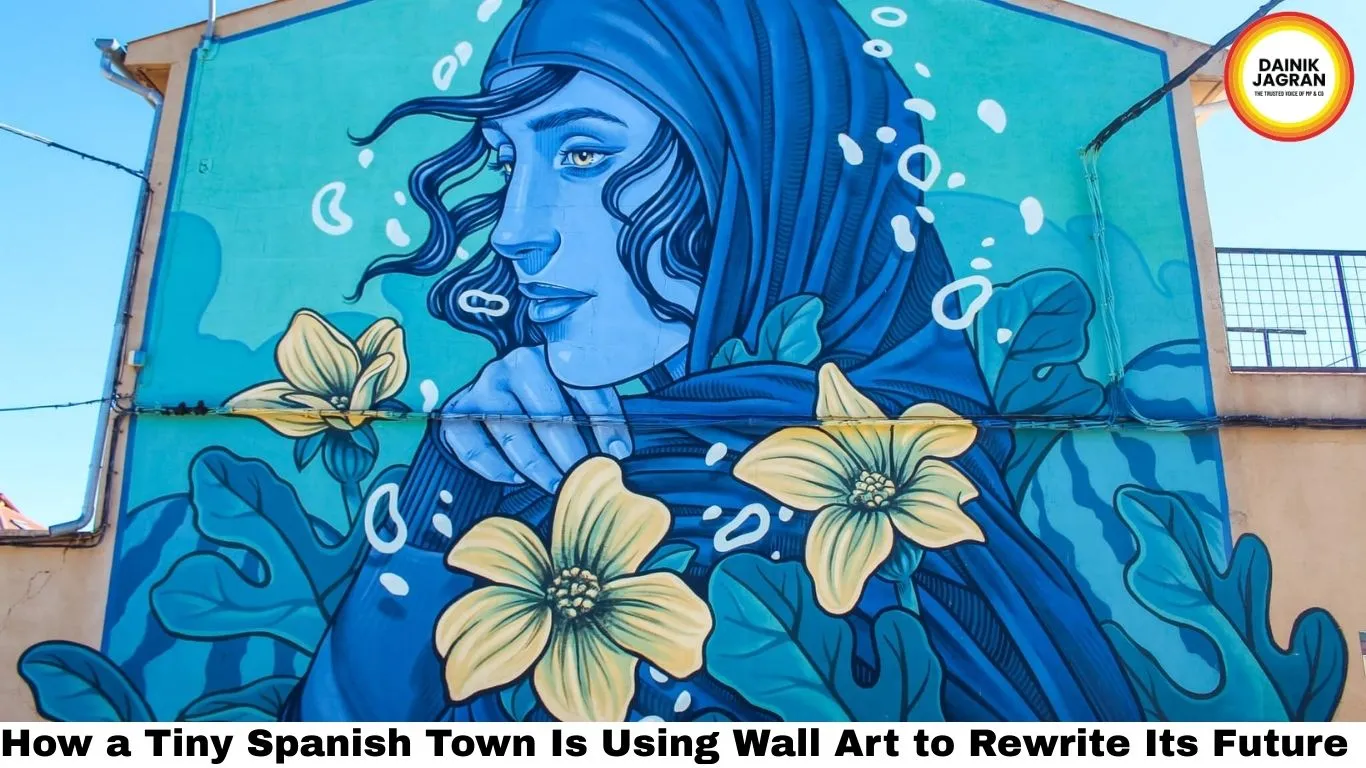
For centuries, this former Arab settlement bore the weight of history on its stone walls, having been conquered and reconquered during the Middle Ages. But today, those very walls are telling a different story. Since 2016, Romangordo has been methodically turning itself into an open-air gallery, using breathtaking trompe-l'oeil murals that don't just decorate buildings—they breathe life, memory, and a future back into them.
The 'Eye-Fooling' Art That Saved a Village
Walk through Romangordo today, and you'll be forgiven for doing a double-take. A window you thought was open is, in fact, painted with such precision that the illusion is perfect. A door appears ajar, inviting you into a home that exists only on a facade. An elderly woman seems to be gazing from her balcony, frozen in time by an artist's brush.
This is the magic of trompe-l'oeil, French for "deceive the eye." But in Romangordo, it's more than a artistic technique; it's a strategy for survival.
"The project began when the village decided to spruce up old facades and breathe life into them," a local guide explains. Faced with aging infrastructure and a dwindling population, local leaders and artists—including Jesús Mateos Brea and Jonatan Carranza Sojo, alongside students from Madrid's Fine Arts school—chose not to renovate, but to reimagine.
A Walk Through Living Memory
The result is the "Route of the Trompe l'Oeil," a trail that turns a stroll through Romangordo into an intimate journey through its collective memory.
-
Nostalgia on Every Corner: One massive mural depicts a family from the 1960s gathered around a radio. Another, opposite the town pharmacy, recreates a traditional shop where customers once lingered to chat, a poignant reminder of a slower, more connected way of life.
-
Honoring Community Pillars: One street is dedicated to the town's beloved parish priest, Angel, with walls illustrating his thoughts and legacy, proving that the art is deeply personal to the people who live there.
-
Beyond the Walls: The experience extends to the Ecomuseum Casa del tio Cascoles, a preserved home with low ceilings, copper pots, and grain stores that offers a tangible link to the past.
Why This Matters Now: A Blueprint for Rural Revival
In an age where young people increasingly flock to cities, leaving villages like Romangordo to fade away, this initiative offers a compelling counter-narrative. It's a story that resonates far beyond Spain, touching on a global trend in rural tourism and community-led regeneration.
This isn't about creating a tourist trap. It's about a community choosing to tell its own story on its own terms. The murals don't just attract visitors; they reaffirm for the remaining 300 residents that their home, their history, and their traditions are worth preserving.
Actionable Takeaways for the Inspired Traveler:
-
Visit with Intention: Go beyond the photos. Pick up a map at the tourist office and walk the route slowly. Talk to the locals you meet—like the couple who told a visitor they've cherished the village's peace for over 30 years.
-
Support Local: Stop by the small village pub. Your presence and patronage help keep places like this viable.
-
Explore the Region: Romangordo is a gateway to the Monfrague National Park and the wider, underrated Extremadura region. Your visit supports a model of sustainable tourism that benefits areas often bypassed by mass travel.
In Romangordo, the walls do more than hold up roofs. They hold up a community. They are a canvas for memory and, unexpectedly, a blueprint for a future where art, heritage, and a deep sense of place are the most valuable assets a village can have.



.jpg)




