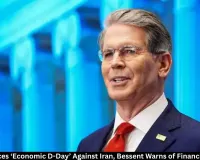
Iran has rejected the threat of new US sanctions, with Foreign Minister Abbas Araqchi calling Washington’s planned measures a sign of desperation and insisting they will fail to force Tehran into submission. The response comes as the United States prepares to announce what Treasury Secretary Scott Bessent has described as the “toughest sanctions in history”.
The latest escalation comes nearly six months into the conflict between Iran and the United States and Israel. At the same time, shipping through the Strait of Hormuz remains severely disrupted, adding pressure to global energy markets.
Iran Challenges US Pressure
Araqchi said Washington was repeating earlier strategies after military operations failed to achieve its objectives. In a video message posted on Telegram, he argued that the shift towards additional economic restrictions showed that the United States was under pressure.
The Iranian foreign minister called for respectful negotiations and said any solution should be based on what he described as justice and honour. He also insisted that Tehran was not intimidated by sanctions, blockades or military pressure.
US Plans Tough Sanctions
US Treasury Secretary Scott Bessent is scheduled to hold a press conference at 2 pm EDT on August 24, equivalent to 6 pm GMT, where further measures against Iran are expected to be outlined.
Washington has also warned countries and companies against providing economic support to Tehran. US President Donald Trump has threatened economic consequences for countries that provide what he describes as a lifeline to Iran.
The planned measures could increase pressure on Iran’s remaining trade and financial channels.
Hormuz Shipping Disrupted
The sanctions dispute is unfolding alongside severe disruption in the Strait of Hormuz, one of the world's most important routes for oil shipments.
Iran has restricted unauthorised oil tanker traffic through the waterway, effectively bringing much of the shipping activity to a standstill. The disruption has contributed to higher global oil prices and raised concerns over energy supplies.
China remains particularly important because it purchased more than 80% of Iran’s shipped oil in 2025, according to Kpler data cited by Reuters. Washington has urged Beijing to cooperate with its pressure campaign, while China has called for diplomacy.
Pakistan Steps Into Mediation
Pakistan is also attempting to play a diplomatic role as tensions remain high. Pakistan's army chief, Field Marshal Asim Munir, is scheduled to visit Tehran on August 24 as part of Islamabad's efforts to promote regional peace and security.
Iran has confirmed the visit, while Pakistani officials indicated that recent developments, including the US sanctions threat, would be discussed.
The visit comes at a sensitive moment as Washington prepares its new economic measures.
Tehran Seeks Regional Support
Iranian Parliament Speaker Mohammad Baqer Qalibaf has said Tehran received messages from several neighbouring countries about new regional security arrangements and economic cooperation.
He did not identify the countries involved. Qalibaf argued for an independent regional security framework and accused Washington of placing its regional allies at risk through its Iran policy.
The comments suggest that Tehran is seeking greater regional cooperation as US economic and military pressure continues.
Diplomacy Remains Possible
Despite the increasingly confrontational rhetoric, Iranian President Masoud Pezeshkian has continued to call for a diplomatic solution. His comments indicate that Tehran is keeping open the possibility of negotiations even while rejecting Washington's latest pressure campaign.
President Trump has also said Iran would like to reach a deal but has argued that Tehran is not prepared to accept what Washington considers the right terms. The two sides therefore remain far apart despite continued mediation efforts.
Global Impact In Focus
The immediate impact of the new Iran Sanctions Update will depend on the measures announced by Washington and how countries such as China respond. Any further disruption to Iranian oil exports or shipping through the Strait of Hormuz could add fresh pressure to global energy prices.
For India and other major energy-importing economies, developments around the waterway will remain important because prolonged disruption could affect crude prices, freight costs and inflation.
The next major development is expected with the US sanctions announcement and Pakistan Army chief Asim Munir's Tehran visit. Together, the two events could determine whether the confrontation moves towards wider economic escalation or creates another opening for diplomacy.
Note: This report reflects developments available as of August 24, 2026. US sanctions details were still awaiting the scheduled announcement at the time of publication.
5.jpg)






7.jpg)
