

Developed by Chinese robotics firms including Unitree Robotics, MagicLab, Galbot and Notix, the machines performed alongside children and human dancers. Analysts said the demonstration was designed not only as entertainment but also as a signal to global competitors, particularly the United States, that China is narrowing or surpassing technological gaps in advanced robotics.
Technology consultants noted that the improvements mark a sharp leap from last year, when similar robots could only perform simple programmed gestures such as waving or basic steps. The latest models show enhanced flexibility, coordination and real-time balance correction—capabilities essential for practical deployment in factories, logistics centers and other real-world environments.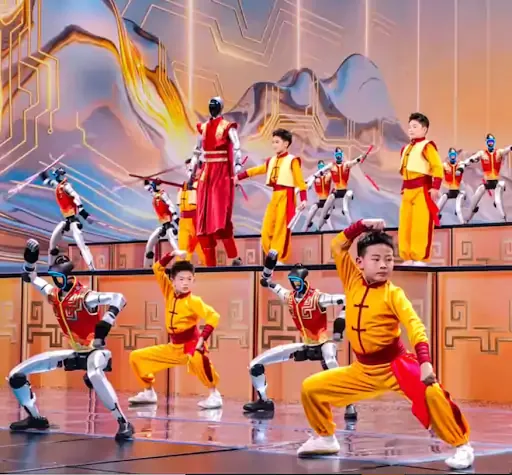
Industry observers say such high-profile showcases serve a strategic purpose. Government-backed events like the gala often function as platforms for domestic technology firms to attract investors, secure contracts and demonstrate innovation capacity. Companies featured at these venues frequently gain access to state procurement opportunities and international attention, reinforcing a cycle of funding and development.
Artificial intelligence policy analyst Ramesh Srinivasan said the demonstration reflects how rapidly humanoid robotics is evolving. He noted that in the long term, such machines could address labor shortages in sectors like manufacturing and agriculture, particularly as China’s workforce shrinks due to demographic changes. At the same time, he warned that widespread adoption could disrupt employment patterns and raise ethical and regulatory challenges.
Experts also flagged security concerns, saying advanced humanoid robots might eventually have military applications that could alter the nature of warfare. Others pointed to social implications, suggesting that as machines become more lifelike, they could affect human relationships and daily interactions.
Analysts agree the performance reinforces China’s growing stature in robotics research and development. While the global race in artificial intelligence and automation remains competitive, the latest demonstration indicates that rapid iteration, state support and commercial investment are enabling Chinese firms to accelerate innovation. The next phase, specialists say, will depend on whether these machines transition successfully from staged demonstrations to large-scale industrial and civilian use.

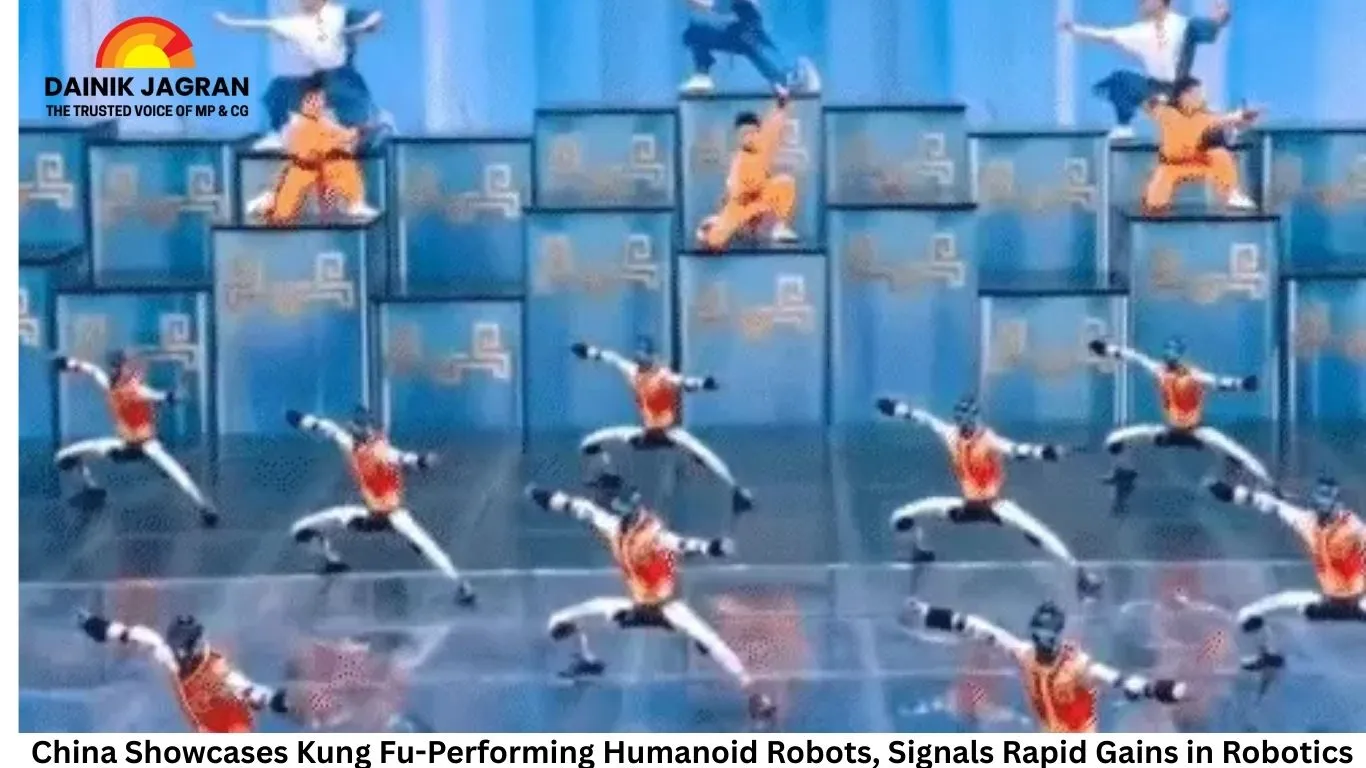
China Showcases Kung Fu-Performing Humanoid Robots, Signals Rapid Gains in Robotics
Digital Desk
Developed by Chinese robotics firms including Unitree Robotics, MagicLab, Galbot and Notix, the machines performed alongside children and human dancers. Analysts said the demonstration was designed not only as entertainment but also as a signal to global competitors, particularly the United States, that China is narrowing or surpassing technological gaps in advanced robotics.
Technology consultants noted that the improvements mark a sharp leap from last year, when similar robots could only perform simple programmed gestures such as waving or basic steps. The latest models show enhanced flexibility, coordination and real-time balance correction—capabilities essential for practical deployment in factories, logistics centers and other real-world environments.
Industry observers say such high-profile showcases serve a strategic purpose. Government-backed events like the gala often function as platforms for domestic technology firms to attract investors, secure contracts and demonstrate innovation capacity. Companies featured at these venues frequently gain access to state procurement opportunities and international attention, reinforcing a cycle of funding and development.
Artificial intelligence policy analyst Ramesh Srinivasan said the demonstration reflects how rapidly humanoid robotics is evolving. He noted that in the long term, such machines could address labor shortages in sectors like manufacturing and agriculture, particularly as China’s workforce shrinks due to demographic changes. At the same time, he warned that widespread adoption could disrupt employment patterns and raise ethical and regulatory challenges.
Experts also flagged security concerns, saying advanced humanoid robots might eventually have military applications that could alter the nature of warfare. Others pointed to social implications, suggesting that as machines become more lifelike, they could affect human relationships and daily interactions.
Analysts agree the performance reinforces China’s growing stature in robotics research and development. While the global race in artificial intelligence and automation remains competitive, the latest demonstration indicates that rapid iteration, state support and commercial investment are enabling Chinese firms to accelerate innovation. The next phase, specialists say, will depend on whether these machines transition successfully from staged demonstrations to large-scale industrial and civilian use.
.jpg)




