


Light Therapy and Circadian Rhythms: Beating the Winter Blues Naturally
Digital Desk
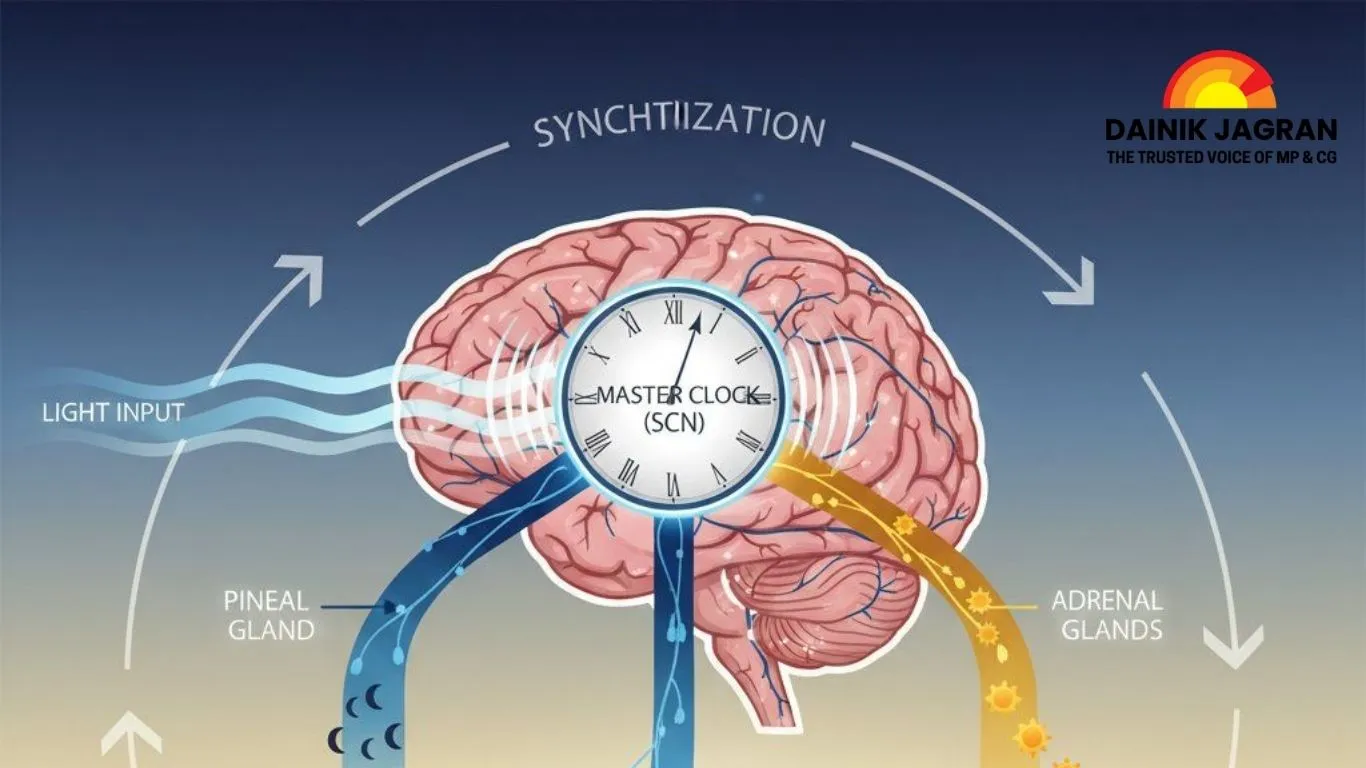
Beyond the physical challenges of coughs and colds, the Indian winter, with its shortened days and persistent fog, poses a significant challenge to mental wellness. The reduced exposure to natural daylight can disrupt our circadian rhythm—the body's internal clock—leading to a drop in serotonin (the mood regulator) and an overproduction of melatonin (the sleep hormone), resulting in lethargy, low mood, and even Seasonal Affective Disorder (SAD) .
Combatting this doesn't necessarily require medication; it requires a strategic approach to light and lifestyle. The most potent natural remedy is sunlight. Despite the chill, stepping outside between 11 AM and 1 PM—often called the "Golden Hour"—is crucial. This isn't just about Vitamin D; the infrared rays from the sun penetrate the skin and warm the tissues directly, providing a deep-seated warmth that lifts mood and resets the internal clock. Even 20 minutes of exposure can be transformative .
For those who find it impossible to get outside due to work or fog, experts suggest mimicking the dawn. Using a light therapy box that emits 10,000 lux of cool-white fluorescent light for about 30 minutes within the first hour of waking can effectively signal the brain to suppress melatonin and boost serotonin, tricking it into thinking it's a sunny day .
Movement is another critical tool. Exercise increases blood circulation and releases endorphins. The goal is to move the body at least four times a week for 30-45 minutes. This doesn't have to be a gym session; it could be brisk walking, climbing stairs, or even a YouTube workout at home. The key is consistency .
Finally, nourish the brain with the right fuel. Ensure adequate intake of Omega-3 fatty acids (from walnuts, flaxseeds, or fish) and protein, as amino acids are the building blocks of neurotransmitters. Reducing sugar and processed foods helps stabilize energy and mood, ensuring that you navigate the winter darkness with resilience and vitality .

.jpg)




