Iran Accuses UAE of Aiding US Strikes at BRICS Security Meeting in Delhi
Digital Desk
Fresh diplomatic tensions surfaced at the BRICS Security Meeting as Iran alleged UAE support for US military operations against Tehran.
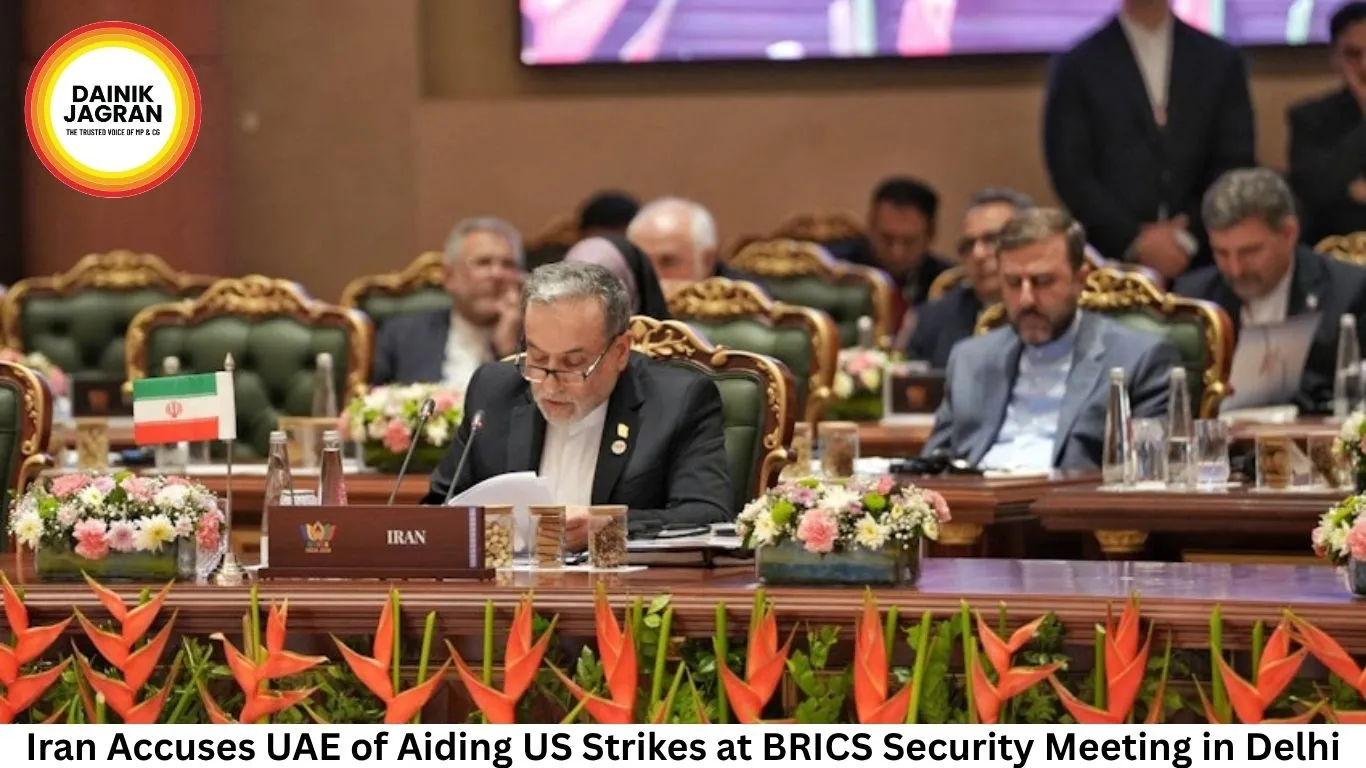
A renewed diplomatic dispute between Iran and the United Arab Emirates (UAE) came to the forefront during the 16th Meeting of Heads of Security Agencies and National Security Advisers of BRICS countries in New Delhi. Iranian officials accused the UAE of facilitating US military operations against Iran, reviving tensions that had previously emerged during a BRICS foreign ministers' gathering earlier this year.
The allegations were made by Dr. Ghadir Nezamipour, Deputy Secretary of Iran’s Supreme National Security Council, during the high-level security meeting. According to statements later shared by the Iranian Embassy in India, Nezamipour rejected accusations made by the UAE delegation and instead blamed the United States and Israel for escalating regional instability.
The remarks come despite recent efforts to ease tensions in West Asia following a ceasefire agreement. Analysts view the exchange as evidence that underlying disputes between Tehran and Abu Dhabi remain unresolved and continue to influence diplomatic interactions in international forums.
According to Iranian officials, the Strait of Hormuz crisis and recent military confrontations were triggered by actions undertaken by the United States and Israel. Nezamipour claimed that some attacks targeting Iran had been launched from facilities located within the UAE, a charge that Abu Dhabi has consistently denied.
Allegations Over Military Facilities
Addressing the gathering, the Iranian official alleged that UAE territory had been used as a platform for operations targeting Iranian civilian infrastructure. He claimed that schools, hospitals and other non-military facilities were among the locations affected by the attacks.
Iran also criticized what it described as the UAE’s failure to condemn military actions against Iran. Nezamipour urged the Emirati leadership to focus on regional stability and cooperation rather than what he termed “adventurism” and “propaganda.”
To reinforce Iran’s position, the delegation reportedly displayed photographs of students from Minab who, according to Tehran, were killed during the initial phase of the conflict.
Dispute Continues
The latest exchange follows a similar confrontation during a BRICS foreign ministers’ meeting held in New Delhi in May. At that event, Iranian Foreign Minister Abbas Araghchi accused the UAE of being directly involved in military activities against Iran and questioned whether close security ties with the United States and Israel could guarantee regional stability.
Those remarks intensified diplomatic friction between the two countries, particularly after reports surfaced alleging Emirati involvement in operations targeting Iranian interests.
The UAE has repeatedly rejected accusations that it played any role in attacks against Iran. Emirati officials have maintained that their country supports regional dialogue and de-escalation efforts.
Officials familiar with regional developments say the dispute reflects broader geopolitical rivalries in West Asia, where security concerns, maritime routes and strategic alliances continue to shape diplomatic relations.
The latest developments at the BRICS security meeting highlight how regional conflicts are increasingly influencing discussions within multilateral organizations. While BRICS members have often emphasized cooperation and dialogue, disagreements among participating countries continue to emerge on issues related to security and foreign policy.
Observers believe that unless direct diplomatic engagement between Tehran and Abu Dhabi resumes, such confrontations may continue to surface at international forums. For now, the accusations exchanged in New Delhi underscore the persistent mistrust between the two regional powers and the challenges facing efforts to achieve long-term stability in West Asia.
--------
🚨 Beat the News Rush – Join Now!
Get breaking alerts, hot exclusives, and game-changing stories instantly on your phone. No delays, no fluff – just the edge you need. ⚡
Tap to join:
🟢 WhatsApp Channel: Dainik Jagran MP CG
Crave more?
🅕 Facebook: Dainik Jagran MP CG English
🅧 Twitter (X): Dainik Jagran MP CG
🅘 Instagram: Dainik Jagran MP CG
Share the fire – keep your crew ahead! 🗞️🔥
Iran Accuses UAE of Aiding US Strikes at BRICS Security Meeting in Delhi
Digital Desk
A renewed diplomatic dispute between Iran and the United Arab Emirates (UAE) came to the forefront during the 16th Meeting of Heads of Security Agencies and National Security Advisers of BRICS countries in New Delhi. Iranian officials accused the UAE of facilitating US military operations against Iran, reviving tensions that had previously emerged during a BRICS foreign ministers' gathering earlier this year.
The allegations were made by Dr. Ghadir Nezamipour, Deputy Secretary of Iran’s Supreme National Security Council, during the high-level security meeting. According to statements later shared by the Iranian Embassy in India, Nezamipour rejected accusations made by the UAE delegation and instead blamed the United States and Israel for escalating regional instability.
The remarks come despite recent efforts to ease tensions in West Asia following a ceasefire agreement. Analysts view the exchange as evidence that underlying disputes between Tehran and Abu Dhabi remain unresolved and continue to influence diplomatic interactions in international forums.
According to Iranian officials, the Strait of Hormuz crisis and recent military confrontations were triggered by actions undertaken by the United States and Israel. Nezamipour claimed that some attacks targeting Iran had been launched from facilities located within the UAE, a charge that Abu Dhabi has consistently denied.
Allegations Over Military Facilities
Addressing the gathering, the Iranian official alleged that UAE territory had been used as a platform for operations targeting Iranian civilian infrastructure. He claimed that schools, hospitals and other non-military facilities were among the locations affected by the attacks.
Iran also criticized what it described as the UAE’s failure to condemn military actions against Iran. Nezamipour urged the Emirati leadership to focus on regional stability and cooperation rather than what he termed “adventurism” and “propaganda.”
To reinforce Iran’s position, the delegation reportedly displayed photographs of students from Minab who, according to Tehran, were killed during the initial phase of the conflict.
Dispute Continues
The latest exchange follows a similar confrontation during a BRICS foreign ministers’ meeting held in New Delhi in May. At that event, Iranian Foreign Minister Abbas Araghchi accused the UAE of being directly involved in military activities against Iran and questioned whether close security ties with the United States and Israel could guarantee regional stability.
Those remarks intensified diplomatic friction between the two countries, particularly after reports surfaced alleging Emirati involvement in operations targeting Iranian interests.
The UAE has repeatedly rejected accusations that it played any role in attacks against Iran. Emirati officials have maintained that their country supports regional dialogue and de-escalation efforts.
Officials familiar with regional developments say the dispute reflects broader geopolitical rivalries in West Asia, where security concerns, maritime routes and strategic alliances continue to shape diplomatic relations.
The latest developments at the BRICS security meeting highlight how regional conflicts are increasingly influencing discussions within multilateral organizations. While BRICS members have often emphasized cooperation and dialogue, disagreements among participating countries continue to emerge on issues related to security and foreign policy.
Observers believe that unless direct diplomatic engagement between Tehran and Abu Dhabi resumes, such confrontations may continue to surface at international forums. For now, the accusations exchanged in New Delhi underscore the persistent mistrust between the two regional powers and the challenges facing efforts to achieve long-term stability in West Asia.