Iran Hormuz Toll Plan: Trump Warns Tehran Over Stalled Peace Deal
Digital Desk
Iran is set to unveil a new toll mechanism for the Strait of Hormuz amid a warning from Donald Trump that Tehran faces a very bad time if peace talks fail.
Iran Plans To Enveil Hormuz Toll Plan; Trump Warns Of 'Very Bad Time' If Peace Talks Fail
A unilateral transit fee mechanism for the critical Strait of Hormuz is being finalized by Tehran to charge non-enemy commercial vessels, sparking sharp warnings from US President Donald Trump as West Asia negotiations remain deadlocked.
In a major escalation that threatens to reshape global maritime trade, Tehran has announced it will shortly introduce a unilateral regulatory and toll framework for the strategic Strait of Hormuz. The proposed maritime traffic mechanism will explicitly restrict passage to countries and commercial vessels that actively cooperate with Iran, while shutting out nations deemed hostile.
The development has drawn a sharp response from Washington. Speaking to a French broadcaster, US President Donald Trump issued a stern warning to Tehran, stating that Iran would face a “very bad time” if a comprehensive peace agreement is not reached soon to end the 78-day-old conflict.
New Maritime Toll Rules Finalized
According to senior Iranian officials, the draft legislation defining this new legal framework has already been finalized by parliamentary bodies. Ebrahim Azizi, chairman of the Iranian Parliament’s National Security and Foreign Policy Committee, confirmed that the upcoming system is designed to assert Iran’s national sovereignty while supposedly safeguarding international trade security.
"Iran has prepared a professional mechanism to manage traffic in the Strait of Hormuz along a designated route," Azizi stated. "In this process, only commercial vessels and parties cooperating with Iran will benefit from it. The necessary fees will be collected for the specialized services provided."
Azizi explicitly added that the strategic waterway would remain entirely closed to operators involved in what he termed the Western-backed "freedom project."
Warning Dispatched To Gulf Neighbors
The unilateral move has already sent shockwaves through the Gulf region. Ground-level cues from the shipping industry suggest that parts of the strait have practically become a "parking lot for ships," with scores of international vessels stranded or forced to seek alternative routes.
Simultaneously, Tehran has intensified its diplomatic rhetoric against regional neighbors. Mohammad Mokhbar, an adviser to Iran’s Supreme Leader, issued a direct warning to the United Arab Emirates and Kuwait. Mokhbar accused both nations of allowing their territories to be utilized by Western adversaries, cautioning that while Tehran has shown restraint so far, its patience is running out.
Trump Issues Stern Negotiation Warning
The introduction of the Hormuz toll mechanism comes at a time when direct negotiations between Washington and Tehran are heavily deadlocked over the status of enriched nuclear materials.
In a telephone interview with French broadcaster BFMTV, President Trump emphasized that it is in Iran’s best interest to formalize a peace deal rapidly. While acknowledging that Tehran has shown some intent to negotiate, Trump noted that his patience is ending.
Strait of Hormuz Status:
90% Near-Closure Enforcement
78 Commercial ships redirected by US CENTCOM blockade.
4 Vessels disabled for non-compliance.
The US administration has simultaneously tightened economic pressure. Over the weekend, the US Treasury allowed a critical sanctions waiver on Russian seaborne oil to expire. The waiver had initially been granted to ease the global oil supply crunch triggered when the conflict first began on February 28, but Washington's refusal to extend it signals a shift toward total economic enforcement.
Ground Reality And Regional Spillover
On the ground, the regional security situation remains highly volatile despite high-level diplomatic interventions. While US-mediated talks successfully secured a 45-day extension to the Israel-Lebanon ceasefire, artillery shelling and air strikes continue to hit border villages in southern Lebanon.
In Tehran, domestic infrastructure has taken a severe beating from weeks of combined US-Israeli air operations. Local authorities claim massive destruction to residential property, citing significant civilian casualties and damage to over 51,000 homes.
Meanwhile, external mediators are scrambling to find a breakthrough. Pakistan’s Interior Minister Mohsin Naqvi arrived on an unannounced visit to Tehran this weekend to hold quiet consultations with Iranian leaders, attempting to salvage the backchannel peace proposals that stalled during earlier rounds in Islamabad
Escalating Global Economic Fallout
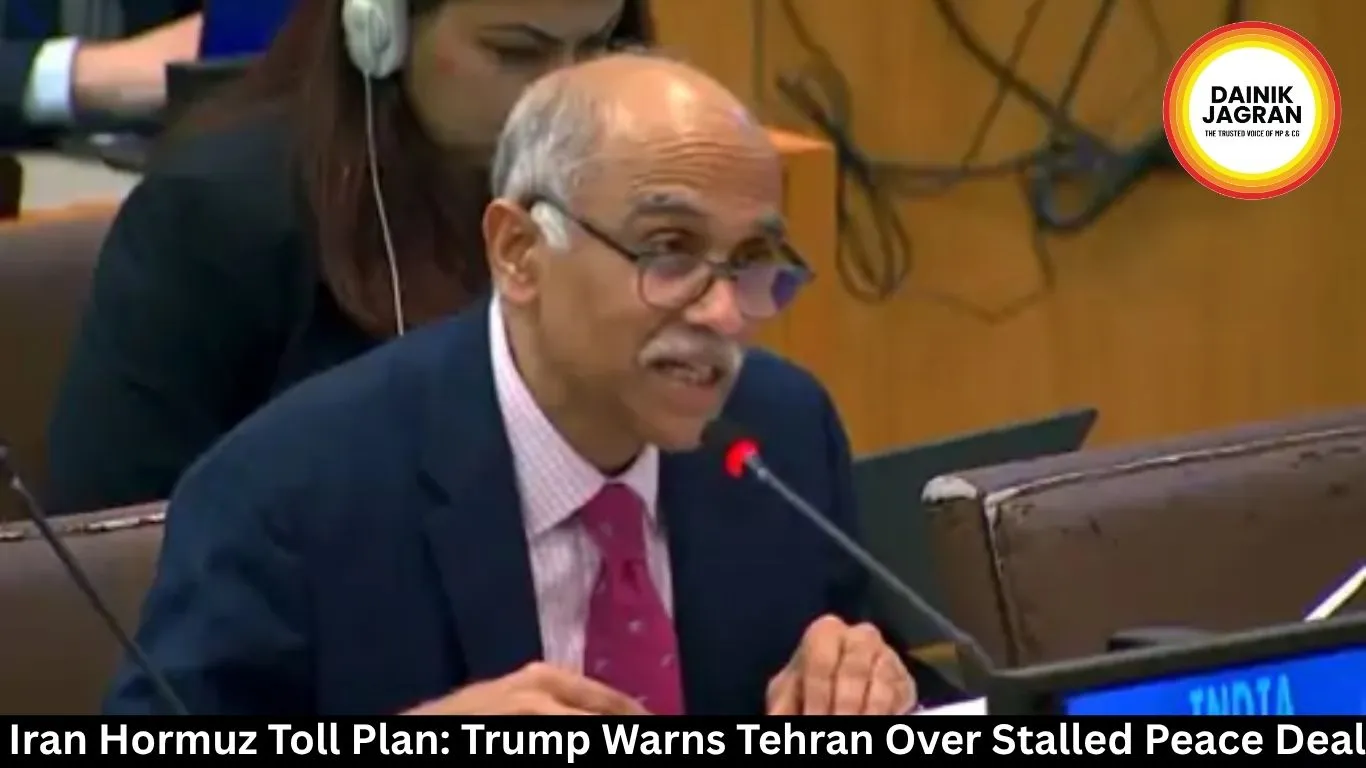
The prolonged closure and the proposed Hormuz toll plan have triggered severe economic anxieties worldwide. During a United Nations briefing, India’s Permanent Representative to the UN Economic and Social Council, Parvathaneni Harish, highlighted the cascading impact of the West Asia crisis on global energy and fertilizer security, calling for immediate structural cooperation.
Iranian Foreign Minister Abbas Araghchi, however, placed the blame squarely on Western capital cities. In a public statement, Araghchi asserted that ordinary American households are now paying the price for Washington’s "war of choice," pointing to sharp spikes in global fuel prices and domestic inflation since the February blockade disrupted one-fifth of the world’s oil supply.
Future Steps And Legislative Votes
The focus now shifts to the Iranian Parliament, where the formal "deterrent law" authorizing the toll collections is expected to be passed swiftly once the house resumes its session.
International reactions have been swift and critical. Italy and other European maritime nations have already rejected the proposed mechanism, demanding that freedom of navigation be restored without discriminatory transit fees. Whether the upcoming toll regime will force a diplomatic compromise or trigger a direct naval confrontation in the Gulf remains the critical question over the next 48 hours.
--------
🚨 Beat the News Rush – Join Now!
Get breaking alerts, hot exclusives, and game-changing stories instantly on your phone. No delays, no fluff – just the edge you need. ⚡
Tap to join:
🟢 WhatsApp Channel: Dainik Jagran MP CG
Crave more?
🅕 Facebook: Dainik Jagran MP CG English
🅧 Twitter (X): Dainik Jagran MP CG
🅘 Instagram: Dainik Jagran MP CG
Share the fire – keep your crew ahead! 🗞️🔥
Iran Hormuz Toll Plan: Trump Warns Tehran Over Stalled Peace Deal
Digital Desk
Iran Plans To Enveil Hormuz Toll Plan; Trump Warns Of 'Very Bad Time' If Peace Talks Fail
A unilateral transit fee mechanism for the critical Strait of Hormuz is being finalized by Tehran to charge non-enemy commercial vessels, sparking sharp warnings from US President Donald Trump as West Asia negotiations remain deadlocked.
In a major escalation that threatens to reshape global maritime trade, Tehran has announced it will shortly introduce a unilateral regulatory and toll framework for the strategic Strait of Hormuz. The proposed maritime traffic mechanism will explicitly restrict passage to countries and commercial vessels that actively cooperate with Iran, while shutting out nations deemed hostile.
The development has drawn a sharp response from Washington. Speaking to a French broadcaster, US President Donald Trump issued a stern warning to Tehran, stating that Iran would face a “very bad time” if a comprehensive peace agreement is not reached soon to end the 78-day-old conflict.
New Maritime Toll Rules Finalized
According to senior Iranian officials, the draft legislation defining this new legal framework has already been finalized by parliamentary bodies. Ebrahim Azizi, chairman of the Iranian Parliament’s National Security and Foreign Policy Committee, confirmed that the upcoming system is designed to assert Iran’s national sovereignty while supposedly safeguarding international trade security.
"Iran has prepared a professional mechanism to manage traffic in the Strait of Hormuz along a designated route," Azizi stated. "In this process, only commercial vessels and parties cooperating with Iran will benefit from it. The necessary fees will be collected for the specialized services provided."
Azizi explicitly added that the strategic waterway would remain entirely closed to operators involved in what he termed the Western-backed "freedom project."
Warning Dispatched To Gulf Neighbors
The unilateral move has already sent shockwaves through the Gulf region. Ground-level cues from the shipping industry suggest that parts of the strait have practically become a "parking lot for ships," with scores of international vessels stranded or forced to seek alternative routes.
Simultaneously, Tehran has intensified its diplomatic rhetoric against regional neighbors. Mohammad Mokhbar, an adviser to Iran’s Supreme Leader, issued a direct warning to the United Arab Emirates and Kuwait. Mokhbar accused both nations of allowing their territories to be utilized by Western adversaries, cautioning that while Tehran has shown restraint so far, its patience is running out.
Trump Issues Stern Negotiation Warning
The introduction of the Hormuz toll mechanism comes at a time when direct negotiations between Washington and Tehran are heavily deadlocked over the status of enriched nuclear materials.
In a telephone interview with French broadcaster BFMTV, President Trump emphasized that it is in Iran’s best interest to formalize a peace deal rapidly. While acknowledging that Tehran has shown some intent to negotiate, Trump noted that his patience is ending.
Strait of Hormuz Status:
90% Near-Closure Enforcement
78 Commercial ships redirected by US CENTCOM blockade.
4 Vessels disabled for non-compliance.
The US administration has simultaneously tightened economic pressure. Over the weekend, the US Treasury allowed a critical sanctions waiver on Russian seaborne oil to expire. The waiver had initially been granted to ease the global oil supply crunch triggered when the conflict first began on February 28, but Washington's refusal to extend it signals a shift toward total economic enforcement.
Ground Reality And Regional Spillover
On the ground, the regional security situation remains highly volatile despite high-level diplomatic interventions. While US-mediated talks successfully secured a 45-day extension to the Israel-Lebanon ceasefire, artillery shelling and air strikes continue to hit border villages in southern Lebanon.
In Tehran, domestic infrastructure has taken a severe beating from weeks of combined US-Israeli air operations. Local authorities claim massive destruction to residential property, citing significant civilian casualties and damage to over 51,000 homes.
Meanwhile, external mediators are scrambling to find a breakthrough. Pakistan’s Interior Minister Mohsin Naqvi arrived on an unannounced visit to Tehran this weekend to hold quiet consultations with Iranian leaders, attempting to salvage the backchannel peace proposals that stalled during earlier rounds in Islamabad
Escalating Global Economic Fallout
The prolonged closure and the proposed Hormuz toll plan have triggered severe economic anxieties worldwide. During a United Nations briefing, India’s Permanent Representative to the UN Economic and Social Council, Parvathaneni Harish, highlighted the cascading impact of the West Asia crisis on global energy and fertilizer security, calling for immediate structural cooperation.
Iranian Foreign Minister Abbas Araghchi, however, placed the blame squarely on Western capital cities. In a public statement, Araghchi asserted that ordinary American households are now paying the price for Washington’s "war of choice," pointing to sharp spikes in global fuel prices and domestic inflation since the February blockade disrupted one-fifth of the world’s oil supply.
Future Steps And Legislative Votes
The focus now shifts to the Iranian Parliament, where the formal "deterrent law" authorizing the toll collections is expected to be passed swiftly once the house resumes its session.
International reactions have been swift and critical. Italy and other European maritime nations have already rejected the proposed mechanism, demanding that freedom of navigation be restored without discriminatory transit fees. Whether the upcoming toll regime will force a diplomatic compromise or trigger a direct naval confrontation in the Gulf remains the critical question over the next 48 hours.