Iran Seizes India-Bound Ship in Strait of Hormuz, IRGC Cites Navigation Violation
International Desk
Iran seizes ship in Strait of Hormuz en route to India, citing navigation violations. Incident raises concerns over maritime security and trade routes.
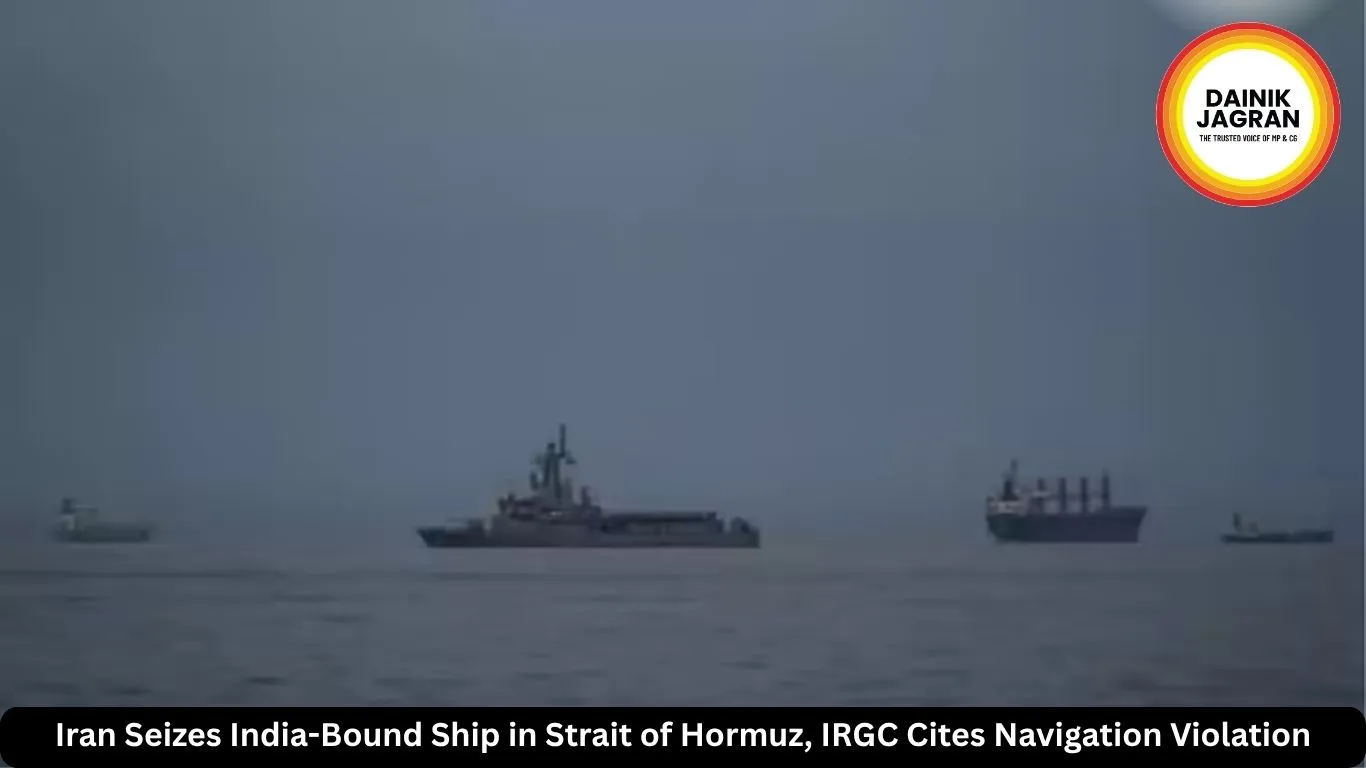
Iran’s Islamic Revolutionary Guard Corps (IRGC) has seized a container vessel headed to India while it was transiting through the strategically crucial Strait of Hormuz, according to official statements and maritime reports. The ship, identified as Epaminondas and flying the Liberian flag, was reportedly on its way to Gujarat’s Mundra Port when it was intercepted.
The development has triggered concern across maritime and diplomatic circles, given the sensitivity of the region and its importance for global trade routes.
Allegations by Iran
Iranian authorities alleged that the vessel attempted to pass through the Strait of Hormuz without proper authorisation. Officials further claimed that the ship’s navigation system had been tampered with, posing a potential threat to maritime safety in the congested waterway.
According to Iranian naval sources, such actions violate established maritime protocols and justify enforcement action under regional security guidelines.
IRGC Takes Control
The IRGC reportedly carried out the interception operation and took control of the vessel before escorting it toward Iranian territorial waters. The exact status of the crew and cargo remains unclear, though no casualties have been reported so far.
The Strait of Hormuz, a narrow but vital passage linking the Persian Gulf with the Arabian Sea, handles a significant portion of the world’s oil shipments, making any disruption a matter of international concern.
Other Vessels Targeted
In a related development, Iranian forces also reportedly seized another vessel named Francesca, allegedly linked to Israeli interests. Additionally, a third ship, identified as Euphoria, came under attack near the coast of Oman and sustained damage.
These incidents point to a broader pattern of maritime tensions in the region, especially involving vessels with perceived geopolitical affiliations.
Earlier Reports of Attacks
Earlier reports had indicated that one of the vessels in the area came under fire, while another suffered damage in an attack off the Omani coast. While details remain limited, sources indicated that these incidents are under investigation by maritime security agencies.
Shipping companies operating in the region have been advised to exercise caution and adhere strictly to navigation protocols.
Strategic and Trade Impact
The Strait of Hormuz remains a critical artery for global energy supplies and commercial shipping. Any disruption in this corridor can impact oil prices, shipping insurance costs, and trade logistics, including shipments bound for India.
India, which relies heavily on energy imports passing through this route, is closely monitoring the situation. The seizure of a ship bound for an Indian port adds to the urgency of diplomatic engagement.
What Lies Ahead
Authorities in India have yet to issue a detailed official response, but sources indicated that diplomatic channels are likely being activated to seek clarity and ensure the safety of the vessel and its crew.
Maritime experts believe that continued tensions in the region could lead to tighter security protocols and possible rerouting of vessels, impacting shipping timelines and costs.

--------
🚨 Beat the News Rush – Join Now!
Get breaking alerts, hot exclusives, and game-changing stories instantly on your phone. No delays, no fluff – just the edge you need. ⚡
Tap to join:
🟢 WhatsApp Channel: Dainik Jagran MP CG
Crave more?
🅕 Facebook: Dainik Jagran MP CG English
🅧 Twitter (X): Dainik Jagran MP CG
🅘 Instagram: Dainik Jagran MP CG
Share the fire – keep your crew ahead! 🗞️🔥
Iran Seizes India-Bound Ship in Strait of Hormuz, IRGC Cites Navigation Violation
International Desk
Iran’s Islamic Revolutionary Guard Corps (IRGC) has seized a container vessel headed to India while it was transiting through the strategically crucial Strait of Hormuz, according to official statements and maritime reports. The ship, identified as Epaminondas and flying the Liberian flag, was reportedly on its way to Gujarat’s Mundra Port when it was intercepted.
The development has triggered concern across maritime and diplomatic circles, given the sensitivity of the region and its importance for global trade routes.
Allegations by Iran
Iranian authorities alleged that the vessel attempted to pass through the Strait of Hormuz without proper authorisation. Officials further claimed that the ship’s navigation system had been tampered with, posing a potential threat to maritime safety in the congested waterway.
According to Iranian naval sources, such actions violate established maritime protocols and justify enforcement action under regional security guidelines.
IRGC Takes Control
The IRGC reportedly carried out the interception operation and took control of the vessel before escorting it toward Iranian territorial waters. The exact status of the crew and cargo remains unclear, though no casualties have been reported so far.
The Strait of Hormuz, a narrow but vital passage linking the Persian Gulf with the Arabian Sea, handles a significant portion of the world’s oil shipments, making any disruption a matter of international concern.
Other Vessels Targeted
In a related development, Iranian forces also reportedly seized another vessel named Francesca, allegedly linked to Israeli interests. Additionally, a third ship, identified as Euphoria, came under attack near the coast of Oman and sustained damage.
These incidents point to a broader pattern of maritime tensions in the region, especially involving vessels with perceived geopolitical affiliations.
Earlier Reports of Attacks
Earlier reports had indicated that one of the vessels in the area came under fire, while another suffered damage in an attack off the Omani coast. While details remain limited, sources indicated that these incidents are under investigation by maritime security agencies.
Shipping companies operating in the region have been advised to exercise caution and adhere strictly to navigation protocols.
Strategic and Trade Impact
The Strait of Hormuz remains a critical artery for global energy supplies and commercial shipping. Any disruption in this corridor can impact oil prices, shipping insurance costs, and trade logistics, including shipments bound for India.
India, which relies heavily on energy imports passing through this route, is closely monitoring the situation. The seizure of a ship bound for an Indian port adds to the urgency of diplomatic engagement.
What Lies Ahead
Authorities in India have yet to issue a detailed official response, but sources indicated that diplomatic channels are likely being activated to seek clarity and ensure the safety of the vessel and its crew.
Maritime experts believe that continued tensions in the region could lead to tighter security protocols and possible rerouting of vessels, impacting shipping timelines and costs.