

The White House confirmed on Friday that Trump will chair the Board of Peace, which includes seven members, among them World Bank Group President Ajay Banga, US Secretary of State Marco Rubio and Special Envoy Steve Witkoff. A separate Gaza Executive Board has also been formed to support the NCAG and coordinate security, reconstruction and diplomatic engagement.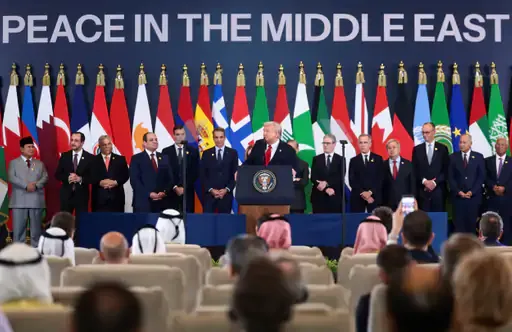
Israel’s Prime Minister Benjamin Netanyahu’s office said the US announcement came as a surprise and violated Israel’s stated position on post-war governance in Gaza. According to the statement, Foreign Minister Gideon Sa’ar will raise Israel’s objections with Rubio in the coming days. While the Israeli government did not specify all areas of disagreement, officials indicated concerns over the inclusion of certain regional actors.
Media reports suggest Israel’s primary objection centres on the participation of Türkiye’s Foreign Minister Hakan Fidan on the Gaza Executive Board. Israeli officials argue that countries such as Türkiye and Qatar, which have openly criticised Israel’s military campaign and maintain ties with Hamas, should not play a role in administering Gaza. Turkish President Recep Tayyip Erdoğan has repeatedly condemned Israel’s actions in the enclave, deepening tensions between Ankara and Tel Aviv.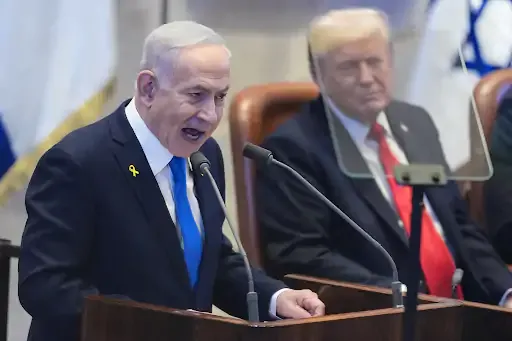
Backing the government’s stance, Israeli National Security Minister Itamar Ben-Gvir said Gaza did not require an “executive board” but rather the complete dismantling of Hamas and what he described as large-scale voluntary migration. His remarks underscore divisions within Israel’s leadership over the scope and direction of post-war arrangements.
The US administration, however, has defended the initiative as a multilateral effort aimed at stabilising Gaza and laying the groundwork for long-term peace. According to the White House, each member of the Board of Peace and the Executive Board will hold defined portfolios covering governance reform, regional coordination, reconstruction, funding and capital mobilisation. Additional appointments are expected in the coming weeks.
The NCAG will operate under the leadership of technocrat Dr Ali Shath, who, US officials say, will focus on restoring essential public services, including water, electricity, healthcare and education, while rebuilding civic institutions and normalising daily life in Gaza. Security responsibilities have been assigned to Major General Jasper Jeffers of the US Army, appointed commander of the International Stabilisation Force. His mandate includes overseeing demilitarisation efforts, counter-terrorism operations and the protection of humanitarian and reconstruction supplies.
Ajay Banga’s inclusion on the Board of Peace has drawn attention given his global development credentials. Born in Pune in 1959, Banga is the 14th President of the World Bank Group and a former executive chairman of Mastercard. A US citizen since 2007, he has worked closely with multiple US administrations on development finance and public-private partnerships.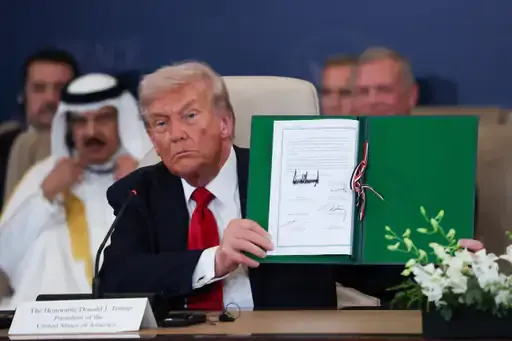
The formation of the NCAG and associated boards marks the second phase of Trump’s Gaza peace initiative, anchored in a 20-point roadmap unveiled after an international conference in Egypt in October 2025. The plan envisions an immediate end to hostilities if both sides agree, phased Israeli troop withdrawals, a halt to military operations, and the release of hostages. It also includes an economic development component aimed at attracting international investment, creating jobs and rebuilding infrastructure through special economic zones.
While Washington has urged Israel, Arab states and the wider international community to cooperate fully with the new framework, Israel’s sharp response highlights the diplomatic friction surrounding Gaza’s future. With regional actors divided and key stakeholders at odds over governance, the success of the US-led initiative may hinge on whether these differences can be bridged in the weeks ahead.

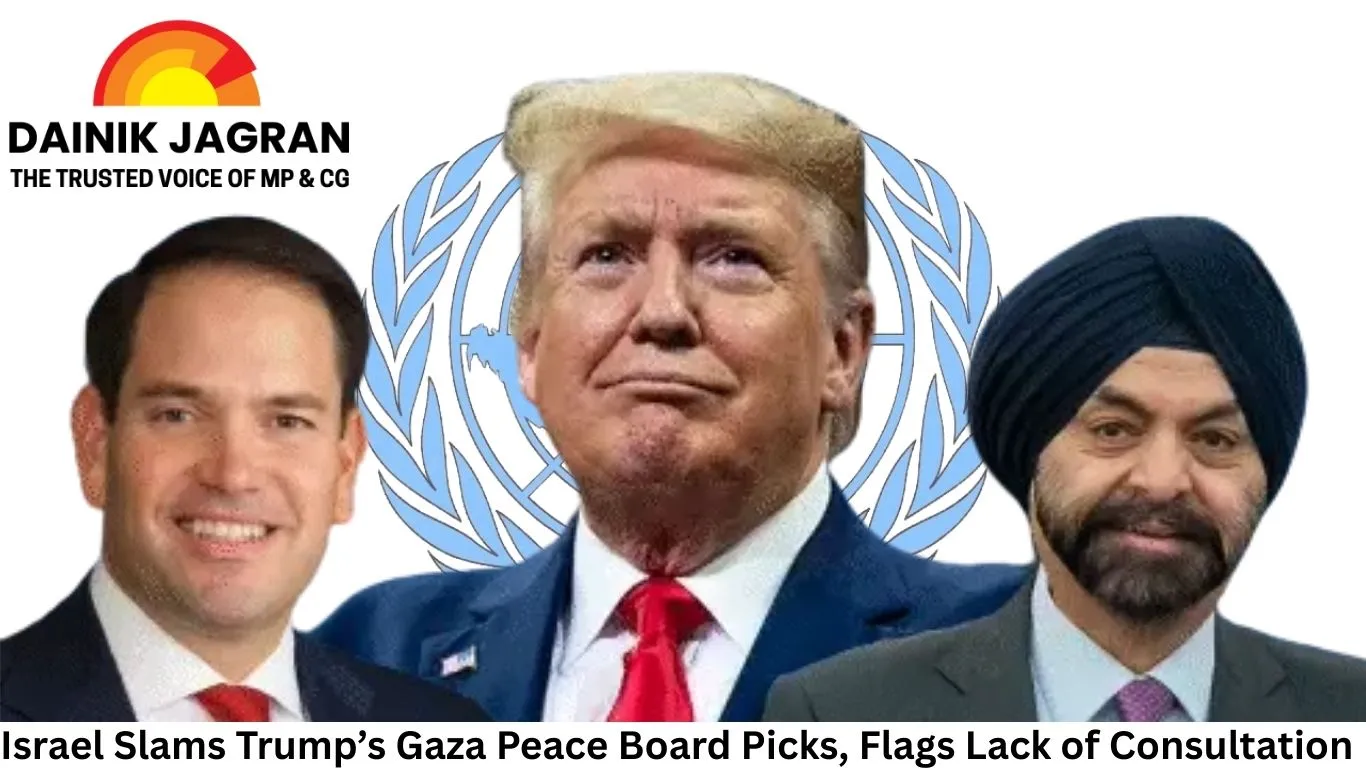
Israel Slams Trump’s Gaza Peace Board Picks, Flags Lack of Consultation
Digital Desk
The White House confirmed on Friday that Trump will chair the Board of Peace, which includes seven members, among them World Bank Group President Ajay Banga, US Secretary of State Marco Rubio and Special Envoy Steve Witkoff. A separate Gaza Executive Board has also been formed to support the NCAG and coordinate security, reconstruction and diplomatic engagement.
Israel’s Prime Minister Benjamin Netanyahu’s office said the US announcement came as a surprise and violated Israel’s stated position on post-war governance in Gaza. According to the statement, Foreign Minister Gideon Sa’ar will raise Israel’s objections with Rubio in the coming days. While the Israeli government did not specify all areas of disagreement, officials indicated concerns over the inclusion of certain regional actors.
Media reports suggest Israel’s primary objection centres on the participation of Türkiye’s Foreign Minister Hakan Fidan on the Gaza Executive Board. Israeli officials argue that countries such as Türkiye and Qatar, which have openly criticised Israel’s military campaign and maintain ties with Hamas, should not play a role in administering Gaza. Turkish President Recep Tayyip Erdoğan has repeatedly condemned Israel’s actions in the enclave, deepening tensions between Ankara and Tel Aviv.
Backing the government’s stance, Israeli National Security Minister Itamar Ben-Gvir said Gaza did not require an “executive board” but rather the complete dismantling of Hamas and what he described as large-scale voluntary migration. His remarks underscore divisions within Israel’s leadership over the scope and direction of post-war arrangements.
The US administration, however, has defended the initiative as a multilateral effort aimed at stabilising Gaza and laying the groundwork for long-term peace. According to the White House, each member of the Board of Peace and the Executive Board will hold defined portfolios covering governance reform, regional coordination, reconstruction, funding and capital mobilisation. Additional appointments are expected in the coming weeks.
The NCAG will operate under the leadership of technocrat Dr Ali Shath, who, US officials say, will focus on restoring essential public services, including water, electricity, healthcare and education, while rebuilding civic institutions and normalising daily life in Gaza. Security responsibilities have been assigned to Major General Jasper Jeffers of the US Army, appointed commander of the International Stabilisation Force. His mandate includes overseeing demilitarisation efforts, counter-terrorism operations and the protection of humanitarian and reconstruction supplies.
Ajay Banga’s inclusion on the Board of Peace has drawn attention given his global development credentials. Born in Pune in 1959, Banga is the 14th President of the World Bank Group and a former executive chairman of Mastercard. A US citizen since 2007, he has worked closely with multiple US administrations on development finance and public-private partnerships.
The formation of the NCAG and associated boards marks the second phase of Trump’s Gaza peace initiative, anchored in a 20-point roadmap unveiled after an international conference in Egypt in October 2025. The plan envisions an immediate end to hostilities if both sides agree, phased Israeli troop withdrawals, a halt to military operations, and the release of hostages. It also includes an economic development component aimed at attracting international investment, creating jobs and rebuilding infrastructure through special economic zones.
While Washington has urged Israel, Arab states and the wider international community to cooperate fully with the new framework, Israel’s sharp response highlights the diplomatic friction surrounding Gaza’s future. With regional actors divided and key stakeholders at odds over governance, the success of the US-led initiative may hinge on whether these differences can be bridged in the weeks ahead.
.jpg)




