

The Tokyo Electric Power Company (TEPCO), which operates the facility, confirmed that one of the plant’s seven reactors was brought back online on Wednesday evening. The restart follows regulatory clearance and years of safety upgrades, making it the first time the Kashiwazaki-Kariwa plant has operated since it was shut down in the aftermath of the Fukushima crisis.
TEPCO said preparations were completed to remove control rods and initiate reactor operations under the supervision of Japan’s Nuclear Regulation Authority. Officials described the move as a critical step toward stabilising Japan’s energy supply amid rising fuel costs and growing electricity demand.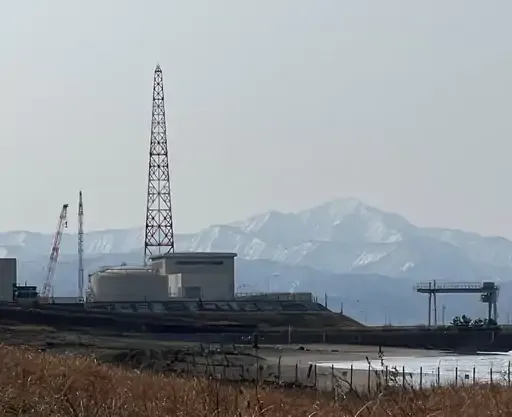
The decision, however, has sparked strong opposition locally. According to opinion surveys cited by regional authorities, around 60% of residents in the Kashiwazaki area oppose the restart, while about 37% support it. Protests were held outside the plant, with residents expressing concern about evacuation feasibility and seismic risks.
“It is Tokyo that consumes this electricity, but it is our community that bears the danger,” said Yumiko Abe, a 73-year-old resident who joined the demonstration. Other protesters pointed to the plant’s proximity to an active fault line, warning that safety assurances may not hold during a major earthquake.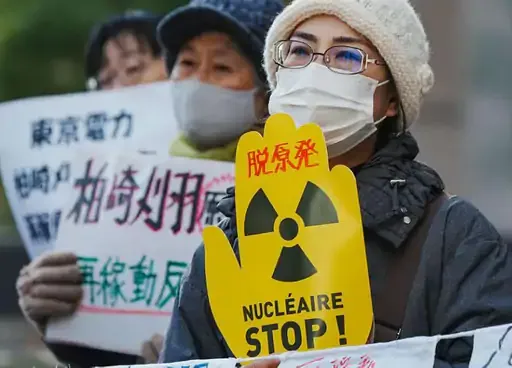
TEPCO has stressed that extensive safety measures have been implemented since 2011. These include a 15-metre-high tsunami protection wall, elevated emergency power systems, and upgraded cooling and monitoring mechanisms. Despite this, skepticism persists, particularly among elderly residents who fear that evacuation plans are unrealistic in the event of an emergency.
Japan’s government has defended the restart as part of a broader strategy to revive nuclear power. Before Fukushima, nuclear energy accounted for nearly one-third of Japan’s electricity. Following the disaster, most reactors were shut down, increasing reliance on imported fossil fuels. Nuclear power currently contributes about 8.5% of electricity generation, a figure the government aims to raise to around 20% by 2040 to support carbon neutrality targets and energy security.
So far, 14 nuclear reactors have been restarted nationwide, with 13 currently in operation. Prime Minister Sanae Takaichi has backed nuclear energy as essential for meeting climate commitments and sustaining industrial and technological growth.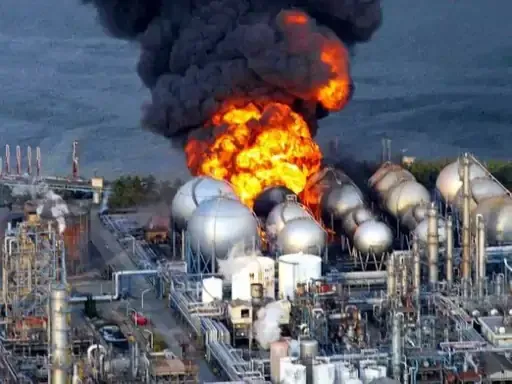
The Kashiwazaki-Kariwa restart also comes amid lingering concerns over TEPCO’s past safety lapses, including data falsification and a recently reported alarm system failure at the plant. TEPCO President Tomoaki Kobayakawa acknowledged the scrutiny, saying safety must remain a continuous and uncompromising priority.
As Japan balances energy needs against public trust, the reopening of Kashiwazaki-Kariwa underscores the enduring shadow of Fukushima and the challenges facing the country’s nuclear revival.

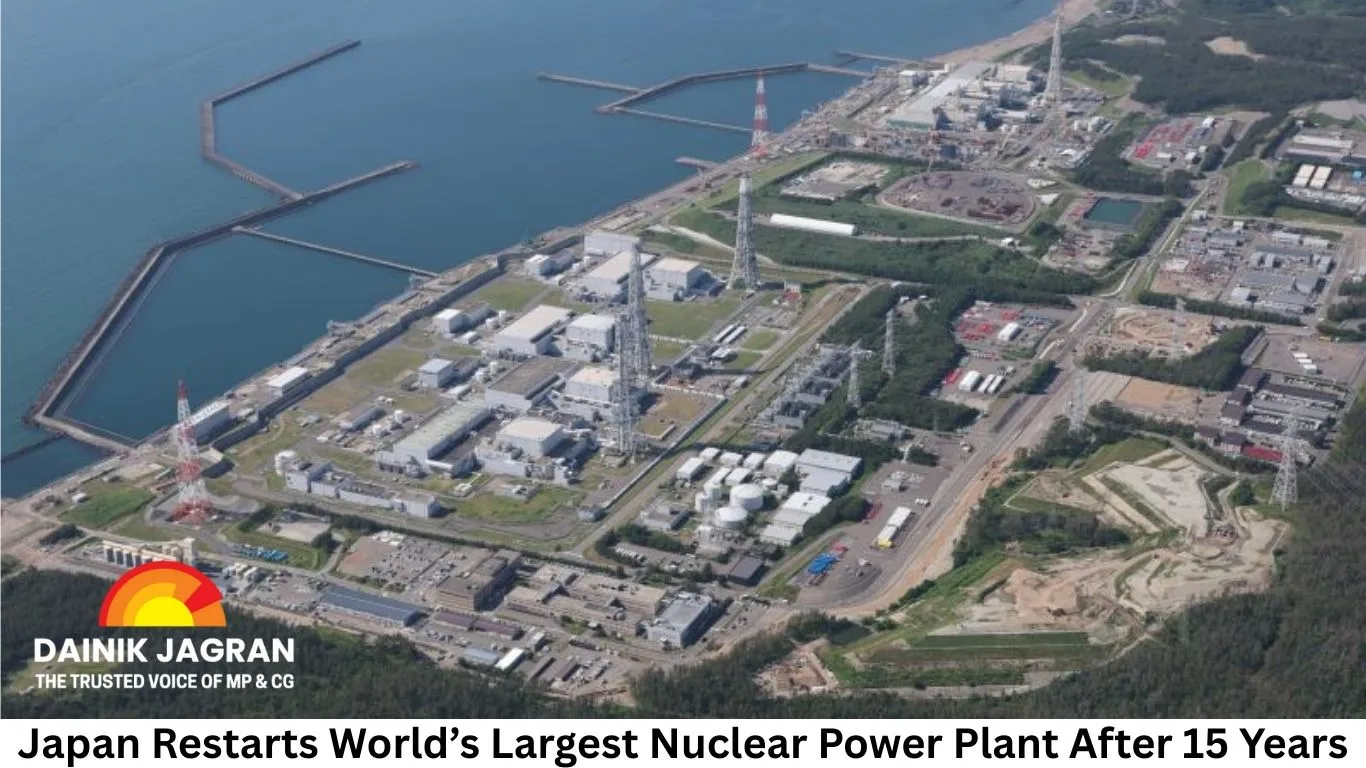
Japan Restarts World’s Largest Nuclear Power Plant After 15 Years, Rekindling Safety Debate
Digital Desk
The Tokyo Electric Power Company (TEPCO), which operates the facility, confirmed that one of the plant’s seven reactors was brought back online on Wednesday evening. The restart follows regulatory clearance and years of safety upgrades, making it the first time the Kashiwazaki-Kariwa plant has operated since it was shut down in the aftermath of the Fukushima crisis.
TEPCO said preparations were completed to remove control rods and initiate reactor operations under the supervision of Japan’s Nuclear Regulation Authority. Officials described the move as a critical step toward stabilising Japan’s energy supply amid rising fuel costs and growing electricity demand.
The decision, however, has sparked strong opposition locally. According to opinion surveys cited by regional authorities, around 60% of residents in the Kashiwazaki area oppose the restart, while about 37% support it. Protests were held outside the plant, with residents expressing concern about evacuation feasibility and seismic risks.
“It is Tokyo that consumes this electricity, but it is our community that bears the danger,” said Yumiko Abe, a 73-year-old resident who joined the demonstration. Other protesters pointed to the plant’s proximity to an active fault line, warning that safety assurances may not hold during a major earthquake.
TEPCO has stressed that extensive safety measures have been implemented since 2011. These include a 15-metre-high tsunami protection wall, elevated emergency power systems, and upgraded cooling and monitoring mechanisms. Despite this, skepticism persists, particularly among elderly residents who fear that evacuation plans are unrealistic in the event of an emergency.
Japan’s government has defended the restart as part of a broader strategy to revive nuclear power. Before Fukushima, nuclear energy accounted for nearly one-third of Japan’s electricity. Following the disaster, most reactors were shut down, increasing reliance on imported fossil fuels. Nuclear power currently contributes about 8.5% of electricity generation, a figure the government aims to raise to around 20% by 2040 to support carbon neutrality targets and energy security.
So far, 14 nuclear reactors have been restarted nationwide, with 13 currently in operation. Prime Minister Sanae Takaichi has backed nuclear energy as essential for meeting climate commitments and sustaining industrial and technological growth.
The Kashiwazaki-Kariwa restart also comes amid lingering concerns over TEPCO’s past safety lapses, including data falsification and a recently reported alarm system failure at the plant. TEPCO President Tomoaki Kobayakawa acknowledged the scrutiny, saying safety must remain a continuous and uncompromising priority.
As Japan balances energy needs against public trust, the reopening of Kashiwazaki-Kariwa underscores the enduring shadow of Fukushima and the challenges facing the country’s nuclear revival.
.jpg)




