

The disclosures, filed with the US Department of Justice, show that Pakistan’s diplomatic outreach followed India’s military operation launched after the Pahalgam terror attack in April last year. Operation Sindoor, carried out on the night of May 6–7, saw the Indian Army strike nine terrorist hideouts inside Pakistan in a swift 24-minute operation, escalating tensions between the two nuclear-armed neighbours.
According to the filings, Pakistani diplomats engaged with members of the US administration, lawmakers, the Pentagon and State Department officials through emails, phone calls and in-person meetings from late April until after the four-day military standoff. The objective, the documents suggest, was to secure US intervention to prevent further escalation and push for a ceasefire.
The records also show that Pakistan hired six lobbying firms to gain rapid access to decision-makers in the Trump administration. In a separate disclosure, US-based Sidley Law LLP said it assisted Pakistan in strengthening economic engagement with the United States and provided support during the period of heightened India–Pakistan tensions.
Parallel filings reveal that India also engaged a lobbying firm in Washington. SHW Partners LLC disclosed that it worked for the Indian Embassy between April and December 2025 to facilitate communication with the US government. On May 10—the day hostilities ended—the firm helped arrange contacts with White House Chief of Staff Susie Wiles, US Trade Representative Jamison Greer and National Security Council official Ricky Gill. Discussions included the status of India–US trade talks and media coverage of Operation Sindoor.
India’s Ministry of External Affairs said all such engagements are legal, transparent and publicly disclosed under FARA. Sources described lobbying as a long-established practice used by foreign missions, companies and organisations to improve outreach in the US, rejecting suggestions of any third-party mediation in halting the operation.
The disclosures have, however, triggered political debate in India. The Congress party questioned the sequence of events on May 10, noting that US Secretary of State Marco Rubio made the first public announcement on stopping Operation Sindoor that evening. Congress leaders have sought clarification on whether trade-related considerations influenced the timing of the ceasefire.
Under FARA, all foreign lobbying activities in the US must be reported to the Department of Justice. While the filings shed light on diplomatic manoeuvring during the crisis, officials on both sides maintain that decisions on military operations remained sovereign and strategic.

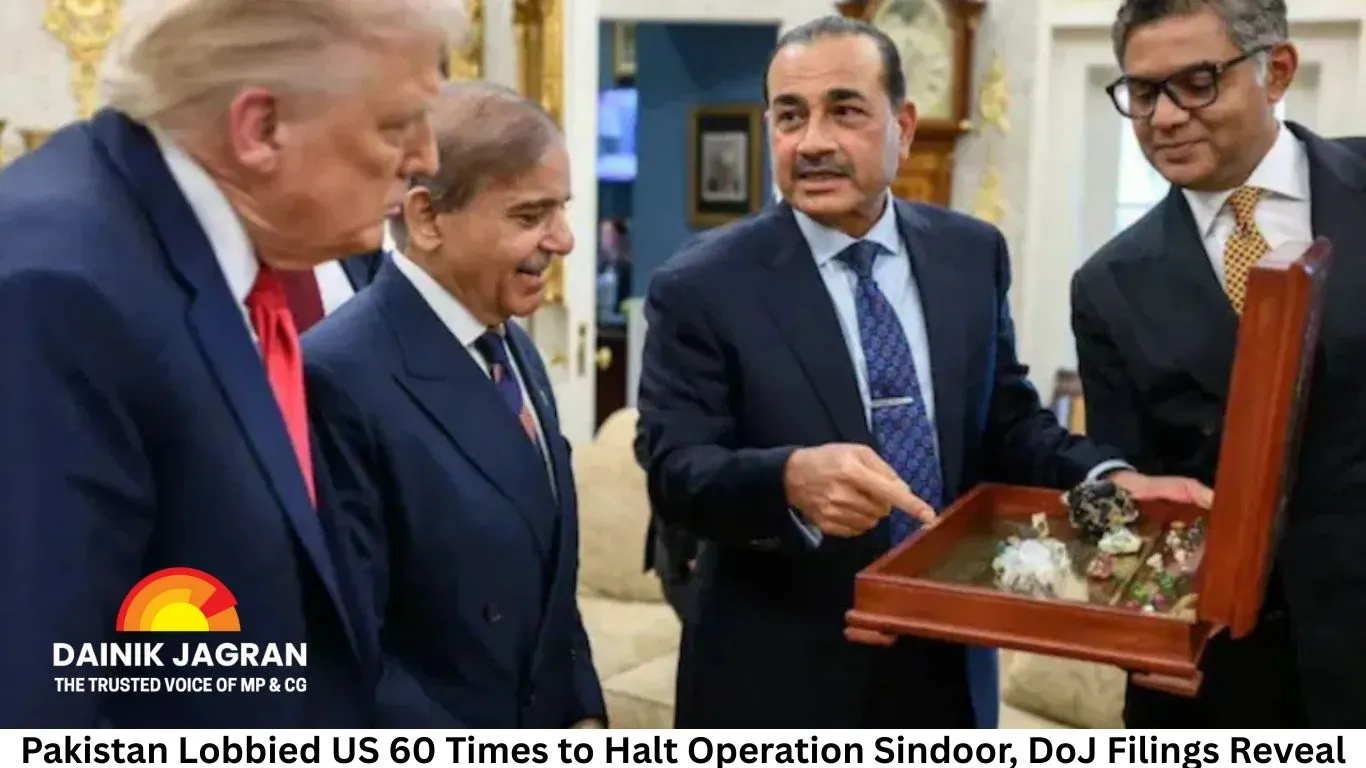
Pakistan Lobbied US 60 Times to Halt Operation Sindoor, DoJ Filings Reveal
Digital Desk
The disclosures, filed with the US Department of Justice, show that Pakistan’s diplomatic outreach followed India’s military operation launched after the Pahalgam terror attack in April last year. Operation Sindoor, carried out on the night of May 6–7, saw the Indian Army strike nine terrorist hideouts inside Pakistan in a swift 24-minute operation, escalating tensions between the two nuclear-armed neighbours.
According to the filings, Pakistani diplomats engaged with members of the US administration, lawmakers, the Pentagon and State Department officials through emails, phone calls and in-person meetings from late April until after the four-day military standoff. The objective, the documents suggest, was to secure US intervention to prevent further escalation and push for a ceasefire.
The records also show that Pakistan hired six lobbying firms to gain rapid access to decision-makers in the Trump administration. In a separate disclosure, US-based Sidley Law LLP said it assisted Pakistan in strengthening economic engagement with the United States and provided support during the period of heightened India–Pakistan tensions.
Parallel filings reveal that India also engaged a lobbying firm in Washington. SHW Partners LLC disclosed that it worked for the Indian Embassy between April and December 2025 to facilitate communication with the US government. On May 10—the day hostilities ended—the firm helped arrange contacts with White House Chief of Staff Susie Wiles, US Trade Representative Jamison Greer and National Security Council official Ricky Gill. Discussions included the status of India–US trade talks and media coverage of Operation Sindoor.
India’s Ministry of External Affairs said all such engagements are legal, transparent and publicly disclosed under FARA. Sources described lobbying as a long-established practice used by foreign missions, companies and organisations to improve outreach in the US, rejecting suggestions of any third-party mediation in halting the operation.
The disclosures have, however, triggered political debate in India. The Congress party questioned the sequence of events on May 10, noting that US Secretary of State Marco Rubio made the first public announcement on stopping Operation Sindoor that evening. Congress leaders have sought clarification on whether trade-related considerations influenced the timing of the ceasefire.
Under FARA, all foreign lobbying activities in the US must be reported to the Department of Justice. While the filings shed light on diplomatic manoeuvring during the crisis, officials on both sides maintain that decisions on military operations remained sovereign and strategic.
.jpg)




