


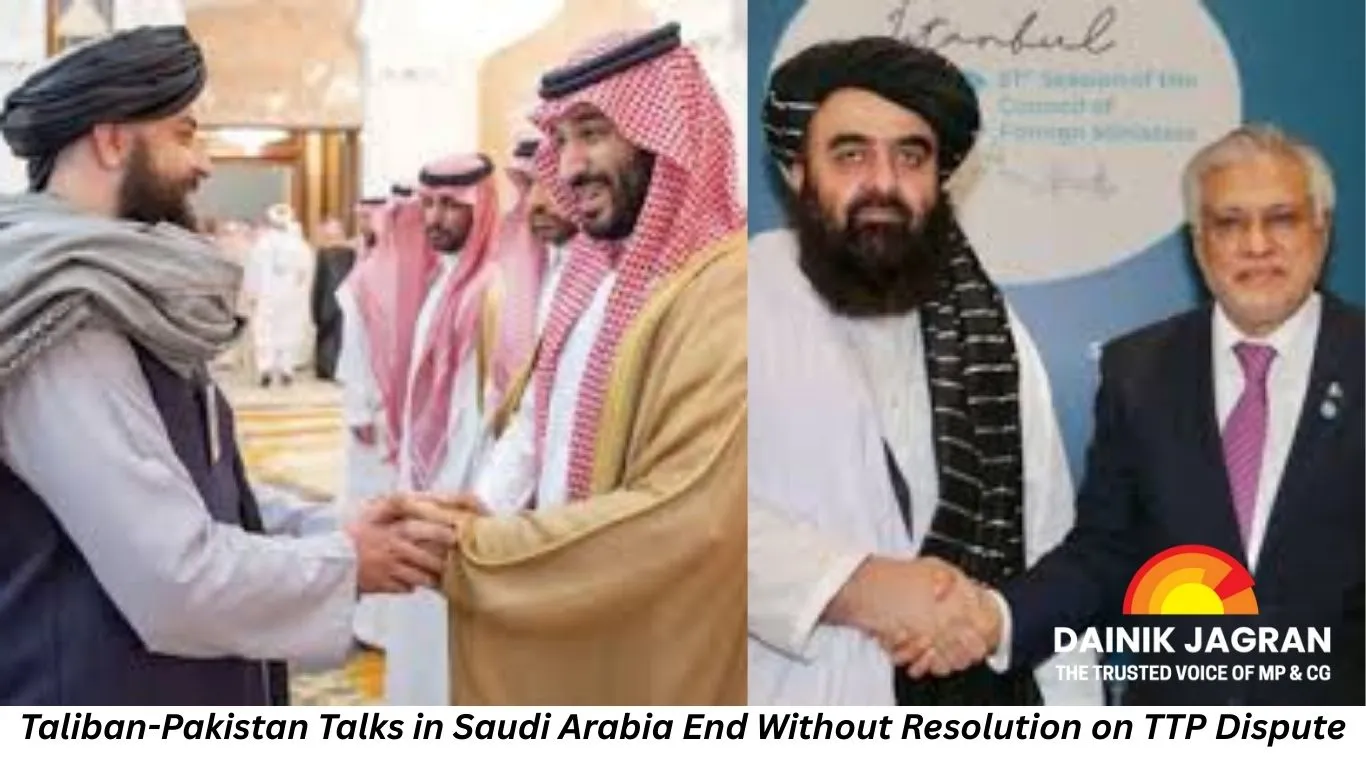
Taliban-Pakistan Talks in Saudi Arabia End Without Resolution on TTP Dispute
Digital Desk
The Taliban delegation included Afghanistan’s Deputy Interior Minister Rahmatullah Najib, Foreign Ministry spokesperson Abdul Qahar Balkhi, and Taliban leader Anas Haqqani. Saudi authorities had offered to mediate the discussions, but no progress was reported. The Taliban have not issued a formal statement regarding the outcome.
Earlier, two rounds of talks mediated by Turkey in Istanbul had also failed to produce a solution. Only the initial meeting in Doha, Qatar, led to a temporary ceasefire, signed on October 19, with representatives from Turkey and Qatar present. Despite ongoing ceasefire agreements, tensions have persisted along the border.
The conflict began on October 9 when Pakistani forces carried out airstrikes on TTP bases in Kabul, triggering clashes along at least seven locations on the Durand Line. Both sides reported significant casualties, with Pakistan claiming over 200 Afghan Taliban and allied fighters were killed, while Afghanistan reported 58 Pakistani soldiers killed. Smoke was reportedly seen rising from buildings in Kabul during the strikes.
Taliban spokesman Zabihullah Mujahid previously accused elements within Pakistan’s intelligence agencies and army of undermining the peace process. Pakistan resumed military operations in Afghanistan’s Spin Boldak region in late November, reportedly targeting civilians with heavy weaponry, prompting retaliatory action from Afghan forces.
The ongoing impasse highlights the complexities of Afghanistan-Pakistan relations, with the Durand Line dispute and the TTP’s presence remaining central obstacles. Analysts note that without sustained mediation and mutual trust, further rounds of talks are unlikely to achieve lasting peace.
The international community continues to monitor the situation closely, as the conflict poses risks of broader regional instability and potential escalation of violence along the Afghanistan-Pakistan border.



.jpg)




