US-Iran Talks in Pakistan to Ease Rising Tensions
Digital Desk
US-Iran talks in Pakistan aim to stabilise ceasefire and address nuclear and sanctions issues amid rising tensions, officials confirm.
US-Iran Talks in Pakistan Aim to Ease Rising Tensions
The US-Iran talks in Pakistan mark a fresh diplomatic push as Washington seeks to stabilise ceasefire and revive stalled negotiations with Tehran
Diplomatic Push Begins
The United States has intensified efforts to ease tensions with Iran, with senior envoys set to visit Pakistan for a new round of negotiations. The White House confirmed that the talks will take place in Islamabad, signalling a renewed attempt to stabilise a fragile ceasefire and prevent escalation in the long-standing standoff.
The development comes at a critical juncture, with both sides showing cautious willingness to re-engage diplomatically after previous efforts failed to deliver concrete outcomes.
Key Envoys Travel
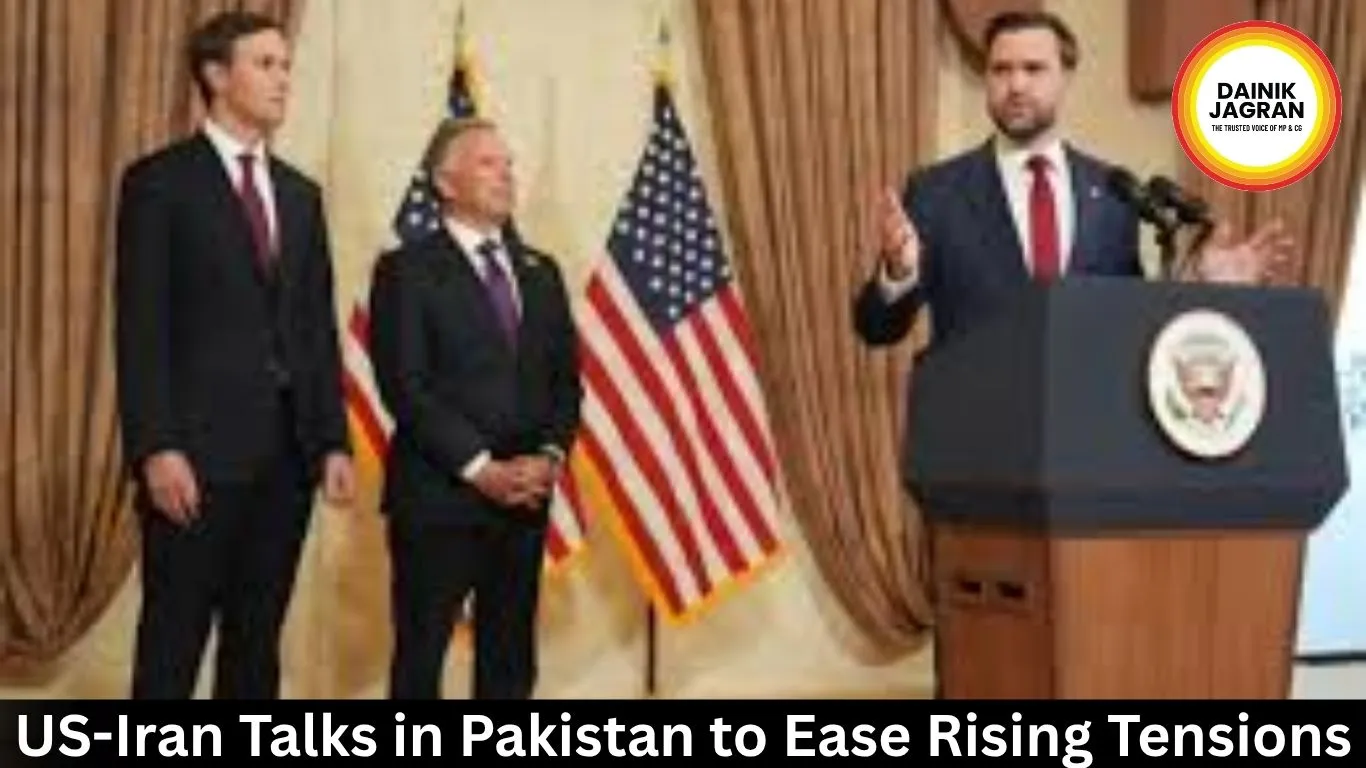
Senior US envoy Steve Witkoff will lead the delegation, accompanied by Jared Kushner, who has previously been involved in high-level negotiations. Officials indicated that the visit is part of a broader strategy to revive stalled dialogue channels.
Vice President JD Vance, who participated in earlier rounds, will not join the delegation but remains on standby depending on the progress of discussions.
Pakistan’s Mediator Role
Pakistan has emerged as a key intermediary in facilitating indirect communication between Washington and Tehran. By hosting multiple rounds of talks, Islamabad has positioned itself as neutral ground where sensitive negotiations can proceed without direct confrontation.
Diplomatic sources said Pakistan’s role has been crucial in maintaining backchannel communication, especially during periods of heightened tension.
Issues Remain Unresolved
Despite renewed engagement, major sticking points persist. These include disagreements over Iran’s nuclear programme, the scope of sanctions relief, and broader regional security concerns.
Officials familiar with the process said earlier negotiations failed to yield a breakthrough, even after extended discussions. The current round is expected to revisit these unresolved issues, though expectations remain measured.
Tehran’s Mixed Signals
Iran’s response to the proposed talks has been cautious. While officials have not ruled out participation, Tehran has sent mixed signals regarding direct engagement with the United States.
There are indications that senior Iranian representatives, including Foreign Minister Abbas Araghchi, could be involved. However, confirmation on the level of participation remains unclear.
Global Stakes High
The outcome of the US-Iran talks in Pakistan carries significant implications for regional and global stability. A successful agreement could reduce the risk of military escalation in the Middle East and improve diplomatic relations.
Conversely, failure may deepen mistrust and prolong uncertainty, with potential ripple effects on global energy markets and international security frameworks. Analysts note that even incremental progress could help build confidence between the two sides.
What Lies Ahead
Washington has expressed cautious optimism, citing “encouraging signals” from Tehran following a temporary ceasefire that created space for dialogue. However, officials acknowledge that substantial gaps remain.
As the US-Iran talks in Pakistan unfold, the international community will closely monitor whether this diplomatic initiative can break the deadlock. The coming days are expected to determine whether negotiations move forward or once again stall amid unresolved differences.
--------
🚨 Beat the News Rush – Join Now!
Get breaking alerts, hot exclusives, and game-changing stories instantly on your phone. No delays, no fluff – just the edge you need. ⚡
Tap to join:
🟢 WhatsApp Channel: Dainik Jagran MP CG
Crave more?
🅕 Facebook: Dainik Jagran MP CG English
🅧 Twitter (X): Dainik Jagran MP CG
🅘 Instagram: Dainik Jagran MP CG
Share the fire – keep your crew ahead! 🗞️🔥
US-Iran Talks in Pakistan to Ease Rising Tensions
Digital Desk
US-Iran Talks in Pakistan Aim to Ease Rising Tensions
The US-Iran talks in Pakistan mark a fresh diplomatic push as Washington seeks to stabilise ceasefire and revive stalled negotiations with Tehran
Diplomatic Push Begins
The United States has intensified efforts to ease tensions with Iran, with senior envoys set to visit Pakistan for a new round of negotiations. The White House confirmed that the talks will take place in Islamabad, signalling a renewed attempt to stabilise a fragile ceasefire and prevent escalation in the long-standing standoff.
The development comes at a critical juncture, with both sides showing cautious willingness to re-engage diplomatically after previous efforts failed to deliver concrete outcomes.
Key Envoys Travel
Senior US envoy Steve Witkoff will lead the delegation, accompanied by Jared Kushner, who has previously been involved in high-level negotiations. Officials indicated that the visit is part of a broader strategy to revive stalled dialogue channels.
Vice President JD Vance, who participated in earlier rounds, will not join the delegation but remains on standby depending on the progress of discussions.
Pakistan’s Mediator Role
Pakistan has emerged as a key intermediary in facilitating indirect communication between Washington and Tehran. By hosting multiple rounds of talks, Islamabad has positioned itself as neutral ground where sensitive negotiations can proceed without direct confrontation.
Diplomatic sources said Pakistan’s role has been crucial in maintaining backchannel communication, especially during periods of heightened tension.
Issues Remain Unresolved
Despite renewed engagement, major sticking points persist. These include disagreements over Iran’s nuclear programme, the scope of sanctions relief, and broader regional security concerns.
Officials familiar with the process said earlier negotiations failed to yield a breakthrough, even after extended discussions. The current round is expected to revisit these unresolved issues, though expectations remain measured.
Tehran’s Mixed Signals
Iran’s response to the proposed talks has been cautious. While officials have not ruled out participation, Tehran has sent mixed signals regarding direct engagement with the United States.
There are indications that senior Iranian representatives, including Foreign Minister Abbas Araghchi, could be involved. However, confirmation on the level of participation remains unclear.
Global Stakes High
The outcome of the US-Iran talks in Pakistan carries significant implications for regional and global stability. A successful agreement could reduce the risk of military escalation in the Middle East and improve diplomatic relations.
Conversely, failure may deepen mistrust and prolong uncertainty, with potential ripple effects on global energy markets and international security frameworks. Analysts note that even incremental progress could help build confidence between the two sides.
What Lies Ahead
Washington has expressed cautious optimism, citing “encouraging signals” from Tehran following a temporary ceasefire that created space for dialogue. However, officials acknowledge that substantial gaps remain.
As the US-Iran talks in Pakistan unfold, the international community will closely monitor whether this diplomatic initiative can break the deadlock. The coming days are expected to determine whether negotiations move forward or once again stall amid unresolved differences.