
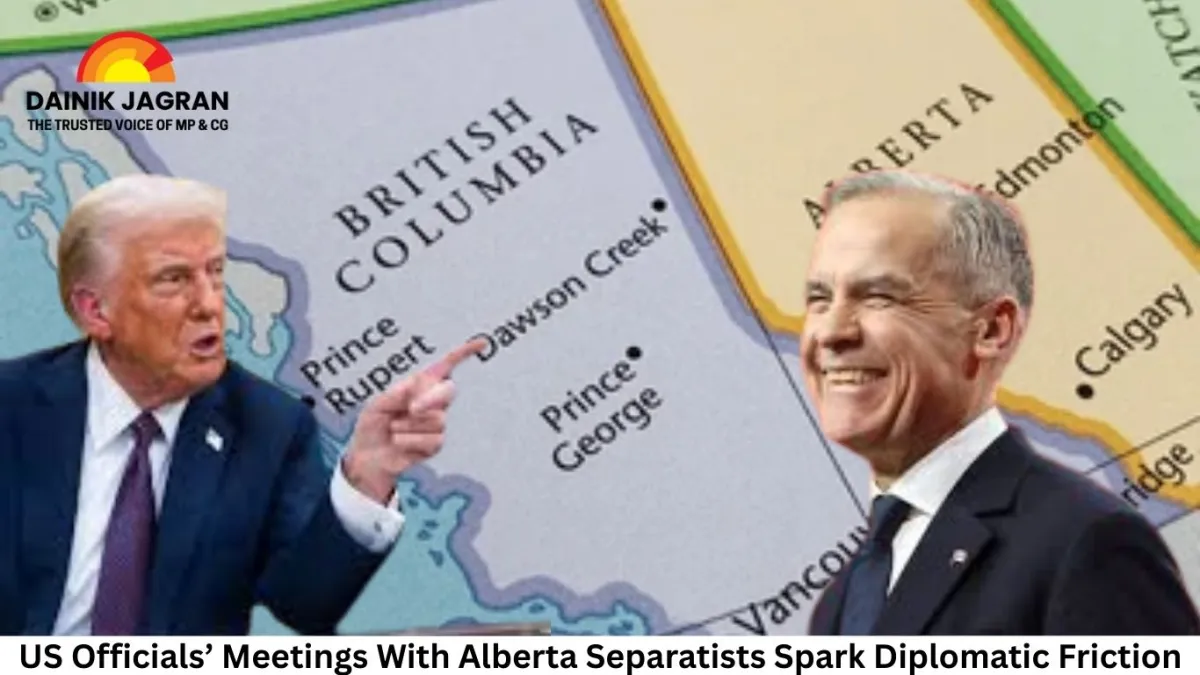
According to a report by the Financial Times, representatives from the US State Department met at least three times since April last year with leaders of the Alberta Prosperity Project (APP), a group pushing for a referendum on Alberta’s separation from Canada. The APP, co-founded by lawyer Jeffrey Rath, has reportedly sought financial backing from the United States, including a request for $500 million to support its campaign should Alberta become independent.
Rath told international media that the funds would be intended for use only after independence is achieved and confirmed that a meeting with US Treasury officials is expected next month. The reported engagements prompted immediate concern in Ottawa, with Prime Minister Carney stating that he raised the issue directly with US President Donald Trump. Carney stressed that the future of Alberta is a matter solely for Canadians and warned against any foreign interference.
The controversy has renewed attention on long-standing separatist sentiments in Alberta, a resource-rich western province that accounts for roughly 84% of Canada’s crude oil production. Advocates of separation argue that federal climate policies disproportionately affect Alberta’s oil and gas sector and claim the province contributes more in federal taxes than it receives in return. Cultural differences, with Alberta often described as more politically conservative than other regions, are also cited.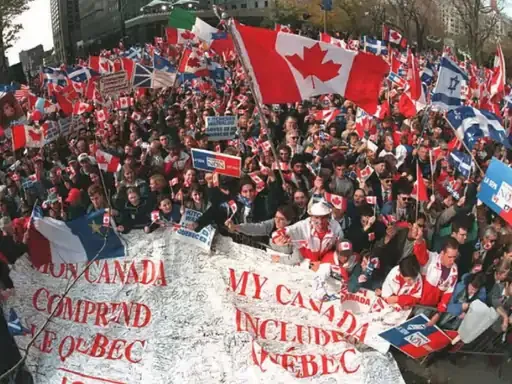
Political analysts note that Alberta separatism has periodically gained traction during periods of economic or political tension with Ottawa. However, public support remains limited. A January survey showed only 19% of Albertans favor independence, while a petition opposing separation has gathered more than 400,000 signatures. Indigenous leaders have also expressed opposition, pointing to treaty obligations with the Canadian federal government that would complicate any secession process.
Alberta Premier Danielle Smith has said she does not support separation, though she has acknowledged provincial grievances. Legal experts emphasize that any move toward independence would face major hurdles under Canada’s Clarity Act, which requires a clear referendum question, a decisive majority, and federal negotiations.
The issue has further resonance amid past remarks by President Trump suggesting Canada could become the 51st US state, comments firmly rejected by Carney. As tensions ease, both governments are expected to tread carefully to prevent the issue from escalating into a broader diplomatic rift.

US Officials’ Meetings With Alberta Separatists Spark Diplomatic Friction; Canada Warns Against Interference
Digital Desk
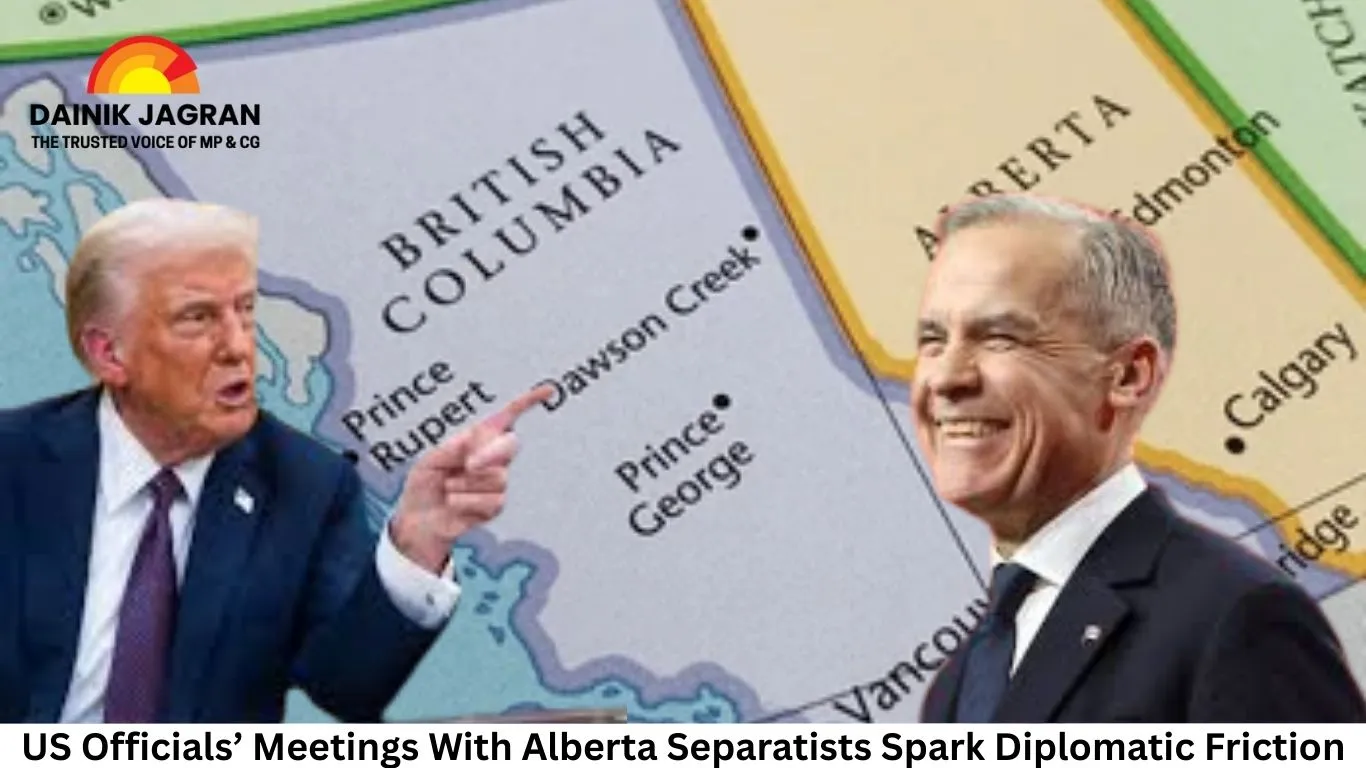
According to a report by the Financial Times, representatives from the US State Department met at least three times since April last year with leaders of the Alberta Prosperity Project (APP), a group pushing for a referendum on Alberta’s separation from Canada. The APP, co-founded by lawyer Jeffrey Rath, has reportedly sought financial backing from the United States, including a request for $500 million to support its campaign should Alberta become independent.
Rath told international media that the funds would be intended for use only after independence is achieved and confirmed that a meeting with US Treasury officials is expected next month. The reported engagements prompted immediate concern in Ottawa, with Prime Minister Carney stating that he raised the issue directly with US President Donald Trump. Carney stressed that the future of Alberta is a matter solely for Canadians and warned against any foreign interference.
The controversy has renewed attention on long-standing separatist sentiments in Alberta, a resource-rich western province that accounts for roughly 84% of Canada’s crude oil production. Advocates of separation argue that federal climate policies disproportionately affect Alberta’s oil and gas sector and claim the province contributes more in federal taxes than it receives in return. Cultural differences, with Alberta often described as more politically conservative than other regions, are also cited.
Political analysts note that Alberta separatism has periodically gained traction during periods of economic or political tension with Ottawa. However, public support remains limited. A January survey showed only 19% of Albertans favor independence, while a petition opposing separation has gathered more than 400,000 signatures. Indigenous leaders have also expressed opposition, pointing to treaty obligations with the Canadian federal government that would complicate any secession process.
Alberta Premier Danielle Smith has said she does not support separation, though she has acknowledged provincial grievances. Legal experts emphasize that any move toward independence would face major hurdles under Canada’s Clarity Act, which requires a clear referendum question, a decisive majority, and federal negotiations.
The issue has further resonance amid past remarks by President Trump suggesting Canada could become the 51st US state, comments firmly rejected by Carney. As tensions ease, both governments are expected to tread carefully to prevent the issue from escalating into a broader diplomatic rift.
.jpg)




