


Desi Swaps: Ditch Expensive Superfoods for These Indian Kitchen Staples
Digital Desk
The wellness industry would have you believe that health is an expensive pursuit, reserved for those who can afford imported quinoa, acai bowls, and activated almonds. However, a growing chorus of health experts and coaches in India is debunking this myth, urging people to look no further than their own kitchens for ingredients that are not only more affordable but often more nutritious than their trendy Western counterparts .
Leading this charge is health coach Nipa Asharam, whose recent insights on "desi swaps" have gone viral, and for good reason. Her philosophy is simple: don't underestimate the power of Indian food. For instance, the humble avocado, often costing a premium, can be easily replaced by plain, full-fat dahi (yogurt). Curd provides healthy fats, a dose of protein, and the added benefit of probiotics, which are excellent for gut health and skin glow—something avocados can't claim .
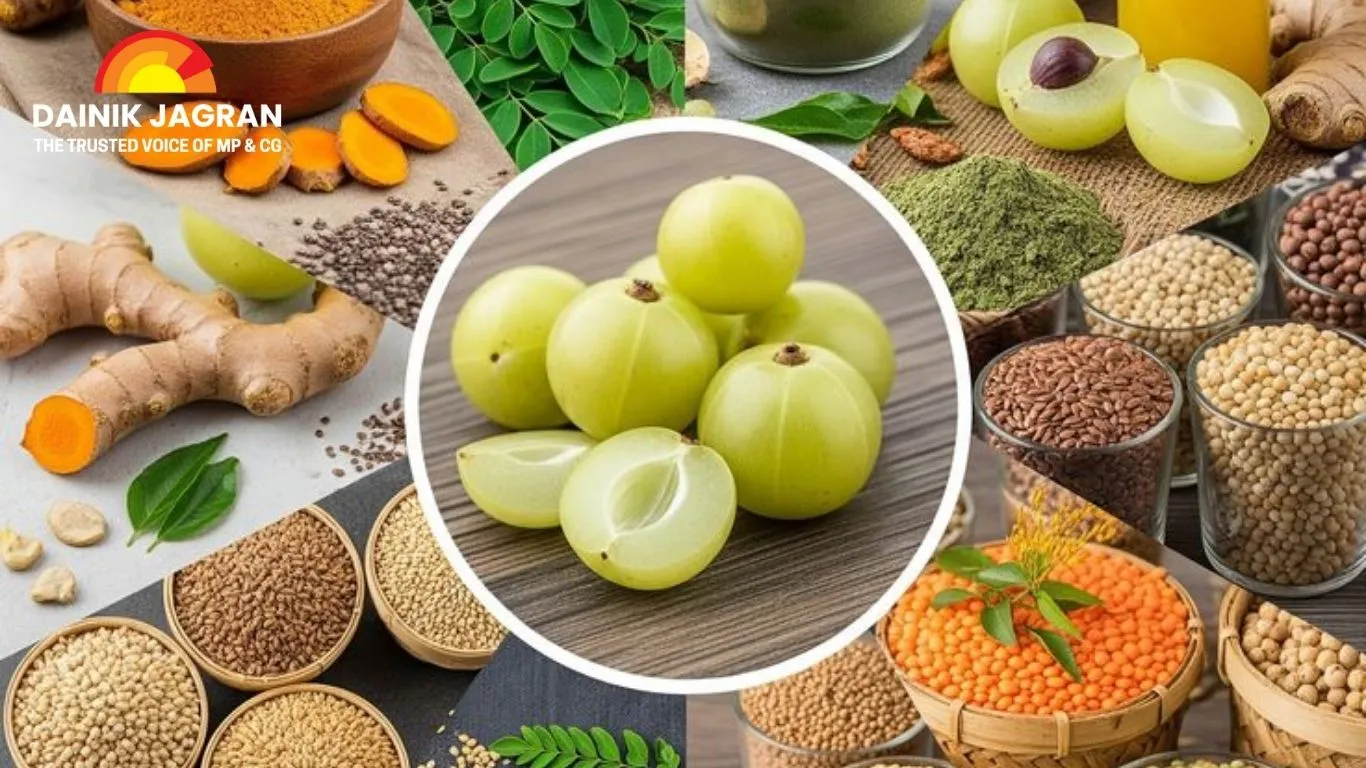
When it comes to antioxidants, the conversation usually starts and ends with blueberries. But Asharam points to the Indian gooseberry, or amla, which is in season right now. "Amla is 20 times richer in vitamin C than any fruit or vegetable," she states. Whether fermented, juiced, or powdered, amla provides a massive immunity boost that far exceeds the berry .
For those spending a fortune on quinoa for its "complete protein" profile, the answer is the classic dal khichdi. The combination of rice and dal provides all the essential amino acids needed to form a complete protein, often delivering a higher protein content than a serving of quinoa. It's cheaper, easier to digest, and perfectly suited for the winter climate .
And if you are relying on green tea for antioxidants and blood sugar control, try swapping it for dalchini (cinnamon) water. It offers similar anti-inflammatory benefits without the caffeine, making it a soothing, warming beverage for winter evenings. These swaps prove that true health is not about how much you spend, but how wisely you eat .
.jpg)




