How To Protect Yourself From Heatstroke During Summer
Lifestyle Desk
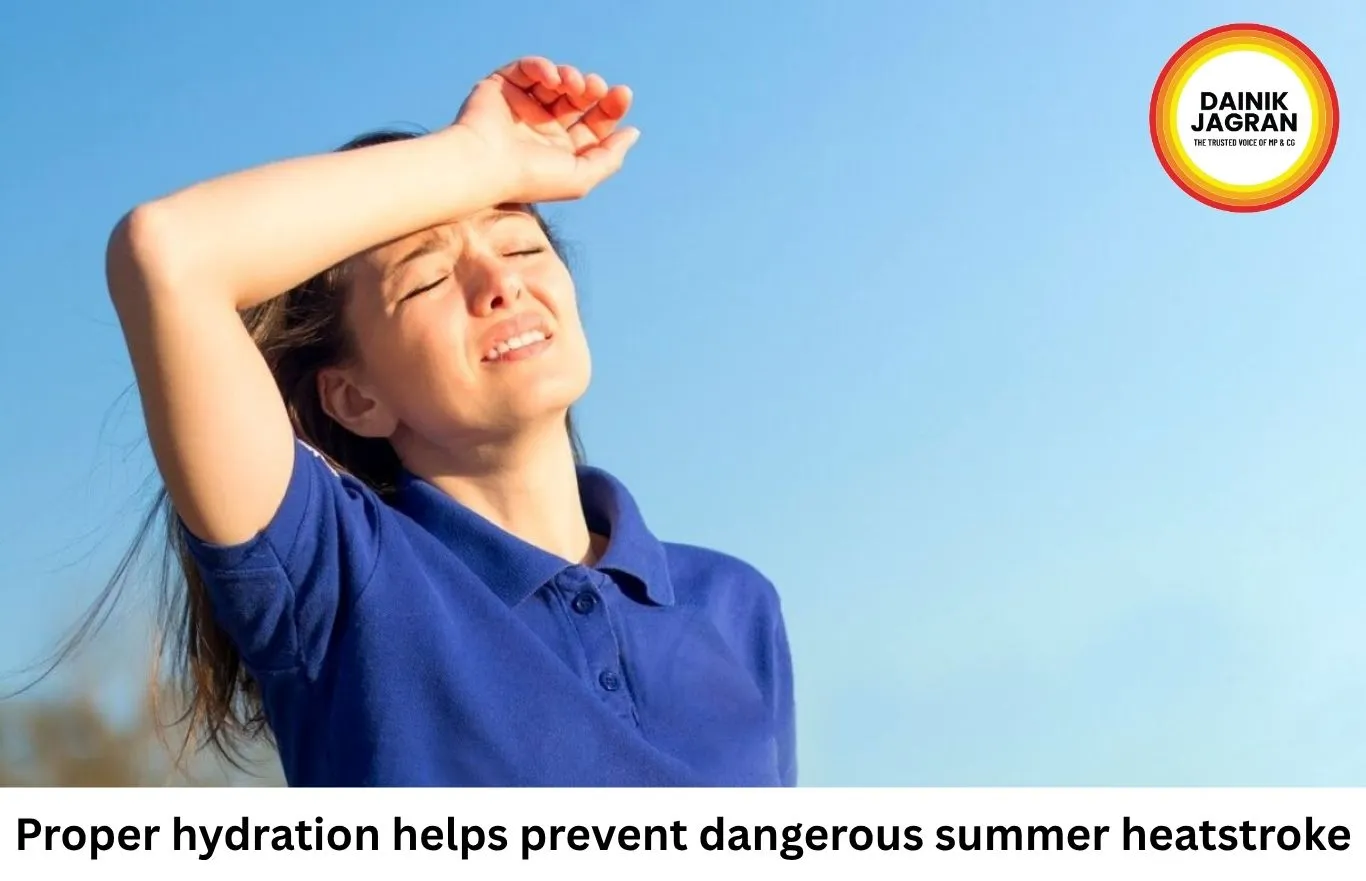
Proper hydration, healthy food, light clothing, and avoiding extreme heat can help people stay safe from heatstroke during the summer season.
Summer is a season that many people enjoy because of vacations, outdoor activities, and bright sunny days. However, extreme heat during summer can also create serious health problems. One of the most dangerous heat-related illnesses is heatstroke. Heatstroke happens when the body temperature rises too high due to prolonged exposure to heat or dehydration. It is a serious condition that requires immediate attention because it can affect the brain, heart, kidneys, and muscles. Therefore, it is very important to understand how to protect ourselves from heatstroke during the summer season.
Heatstroke usually occurs when the body loses too much water and salt through sweating. Normally, the body cools itself by sweating, but when the weather becomes extremely hot, this natural cooling system may fail. As a result, body temperature rises rapidly, leading to symptoms such as headache, dizziness, weakness, nausea, rapid heartbeat, confusion, and even unconsciousness. In severe cases, heatstroke can become life-threatening.
One of the best ways to prevent heatstroke is by staying hydrated. Drinking enough water throughout the day helps the body maintain its temperature and prevents dehydration. During summer, people sweat more, which means the body loses fluids quickly. Therefore, it is important to drink water regularly even if you do not feel thirsty. Healthy drinks such as coconut water, lemon water, buttermilk, fresh fruit juice, and oral rehydration solutions can also help maintain hydration levels. At the same time, people should avoid excessive consumption of caffeine, alcohol, and sugary drinks because they can increase dehydration.
Wearing suitable clothing is another important step in protecting the body from extreme heat. Light-colored, loose-fitting cotton clothes are the best choice during summer because they allow air circulation and help the body stay cool. Dark-colored and tight clothes absorb more heat and make the body feel hotter. People should also wear caps, hats, or scarves while going outside to protect their heads from direct sunlight. Sunglasses and umbrellas can also help reduce exposure to harmful UV rays.
Avoiding outdoor activities during peak heat hours is highly recommended. The temperature is usually highest between 12 PM and 4 PM, making it dangerous to stay outside for long periods. If possible, people should stay indoors during these hours, especially children, elderly individuals, and people with health problems. If going outside is necessary, it is better to choose early morning or evening hours when the weather is cooler. Taking regular breaks in shaded or air-conditioned places can also help prevent overheating.
Eating healthy and light meals is equally important during summer. Heavy, oily, and spicy foods can increase body heat and make digestion difficult. Instead, people should include fresh fruits and vegetables in their diet. Water-rich fruits like watermelon, cucumber, oranges, muskmelon, and strawberries help cool the body and provide essential nutrients. Green vegetables, salads, and curd are also beneficial during hot weather. A balanced diet supports the body’s energy levels and improves overall health.
Another effective way to prevent heatstroke is by keeping indoor spaces cool. Using fans, coolers, or air conditioners can help reduce body heat. Curtains or blinds should be used to block direct sunlight from entering rooms during the hottest part of the day. Taking cool showers or washing the face and hands frequently can also help maintain a comfortable body temperature.
Physical activities and exercise should be done carefully during summer. Intense workouts under the hot sun can quickly lead to dehydration and exhaustion. People who exercise regularly should prefer indoor workouts or choose cooler times of the day such as early morning. Drinking water before, during, and after exercise is very important to replace lost fluids. Listening to the body and taking rest whenever feeling tired or dizzy can prevent serious heat-related problems.
Special attention should be given to children and elderly people because they are more vulnerable to heatstroke. Children often play outside without realizing the dangers of extreme heat, while older adults may have weaker body systems that make it difficult to adjust to high temperatures. Parents and caregivers should ensure that they stay hydrated, avoid direct sunlight, and wear proper clothing during summer.
Recognizing the early signs of heatstroke is very important. Symptoms such as high body temperature, dry skin, confusion, fainting, rapid pulse, severe headache, and nausea should never be ignored. If someone shows signs of heatstroke, immediate action should be taken. The person should be moved to a cool place, given water if conscious, and cooled with wet cloths or fans. Medical help should be called immediately because severe heatstroke can become dangerous within a short time.
In conclusion, heatstroke is a serious health risk during the summer season, but it can be prevented by following simple safety measures. Staying hydrated, wearing comfortable clothes, eating healthy food, avoiding direct sunlight, and maintaining a cool environment are some of the most effective ways to stay safe in hot weather. Awareness and proper care can protect people from heat-related illnesses and help them enjoy the summer season safely. By adopting healthy summer habits, individuals can remain active, comfortable, and protected from the harmful effects of extreme heat.
------------

--------
🚨 Beat the News Rush – Join Now!
Get breaking alerts, hot exclusives, and game-changing stories instantly on your phone. No delays, no fluff – just the edge you need. ⚡
Tap to join:
🟢 WhatsApp Channel: Dainik Jagran MP CG
Crave more?
🅕 Facebook: Dainik Jagran MP CG English
🅧 Twitter (X): Dainik Jagran MP CG
🅘 Instagram: Dainik Jagran MP CG
Share the fire – keep your crew ahead! 🗞️🔥
How To Protect Yourself From Heatstroke During Summer
Lifestyle Desk
Summer is a season that many people enjoy because of vacations, outdoor activities, and bright sunny days. However, extreme heat during summer can also create serious health problems. One of the most dangerous heat-related illnesses is heatstroke. Heatstroke happens when the body temperature rises too high due to prolonged exposure to heat or dehydration. It is a serious condition that requires immediate attention because it can affect the brain, heart, kidneys, and muscles. Therefore, it is very important to understand how to protect ourselves from heatstroke during the summer season.
Heatstroke usually occurs when the body loses too much water and salt through sweating. Normally, the body cools itself by sweating, but when the weather becomes extremely hot, this natural cooling system may fail. As a result, body temperature rises rapidly, leading to symptoms such as headache, dizziness, weakness, nausea, rapid heartbeat, confusion, and even unconsciousness. In severe cases, heatstroke can become life-threatening.
One of the best ways to prevent heatstroke is by staying hydrated. Drinking enough water throughout the day helps the body maintain its temperature and prevents dehydration. During summer, people sweat more, which means the body loses fluids quickly. Therefore, it is important to drink water regularly even if you do not feel thirsty. Healthy drinks such as coconut water, lemon water, buttermilk, fresh fruit juice, and oral rehydration solutions can also help maintain hydration levels. At the same time, people should avoid excessive consumption of caffeine, alcohol, and sugary drinks because they can increase dehydration.
Wearing suitable clothing is another important step in protecting the body from extreme heat. Light-colored, loose-fitting cotton clothes are the best choice during summer because they allow air circulation and help the body stay cool. Dark-colored and tight clothes absorb more heat and make the body feel hotter. People should also wear caps, hats, or scarves while going outside to protect their heads from direct sunlight. Sunglasses and umbrellas can also help reduce exposure to harmful UV rays.
Avoiding outdoor activities during peak heat hours is highly recommended. The temperature is usually highest between 12 PM and 4 PM, making it dangerous to stay outside for long periods. If possible, people should stay indoors during these hours, especially children, elderly individuals, and people with health problems. If going outside is necessary, it is better to choose early morning or evening hours when the weather is cooler. Taking regular breaks in shaded or air-conditioned places can also help prevent overheating.
Eating healthy and light meals is equally important during summer. Heavy, oily, and spicy foods can increase body heat and make digestion difficult. Instead, people should include fresh fruits and vegetables in their diet. Water-rich fruits like watermelon, cucumber, oranges, muskmelon, and strawberries help cool the body and provide essential nutrients. Green vegetables, salads, and curd are also beneficial during hot weather. A balanced diet supports the body’s energy levels and improves overall health.
Another effective way to prevent heatstroke is by keeping indoor spaces cool. Using fans, coolers, or air conditioners can help reduce body heat. Curtains or blinds should be used to block direct sunlight from entering rooms during the hottest part of the day. Taking cool showers or washing the face and hands frequently can also help maintain a comfortable body temperature.
Physical activities and exercise should be done carefully during summer. Intense workouts under the hot sun can quickly lead to dehydration and exhaustion. People who exercise regularly should prefer indoor workouts or choose cooler times of the day such as early morning. Drinking water before, during, and after exercise is very important to replace lost fluids. Listening to the body and taking rest whenever feeling tired or dizzy can prevent serious heat-related problems.
Special attention should be given to children and elderly people because they are more vulnerable to heatstroke. Children often play outside without realizing the dangers of extreme heat, while older adults may have weaker body systems that make it difficult to adjust to high temperatures. Parents and caregivers should ensure that they stay hydrated, avoid direct sunlight, and wear proper clothing during summer.
Recognizing the early signs of heatstroke is very important. Symptoms such as high body temperature, dry skin, confusion, fainting, rapid pulse, severe headache, and nausea should never be ignored. If someone shows signs of heatstroke, immediate action should be taken. The person should be moved to a cool place, given water if conscious, and cooled with wet cloths or fans. Medical help should be called immediately because severe heatstroke can become dangerous within a short time.
In conclusion, heatstroke is a serious health risk during the summer season, but it can be prevented by following simple safety measures. Staying hydrated, wearing comfortable clothes, eating healthy food, avoiding direct sunlight, and maintaining a cool environment are some of the most effective ways to stay safe in hot weather. Awareness and proper care can protect people from heat-related illnesses and help them enjoy the summer season safely. By adopting healthy summer habits, individuals can remain active, comfortable, and protected from the harmful effects of extreme heat.
------------