

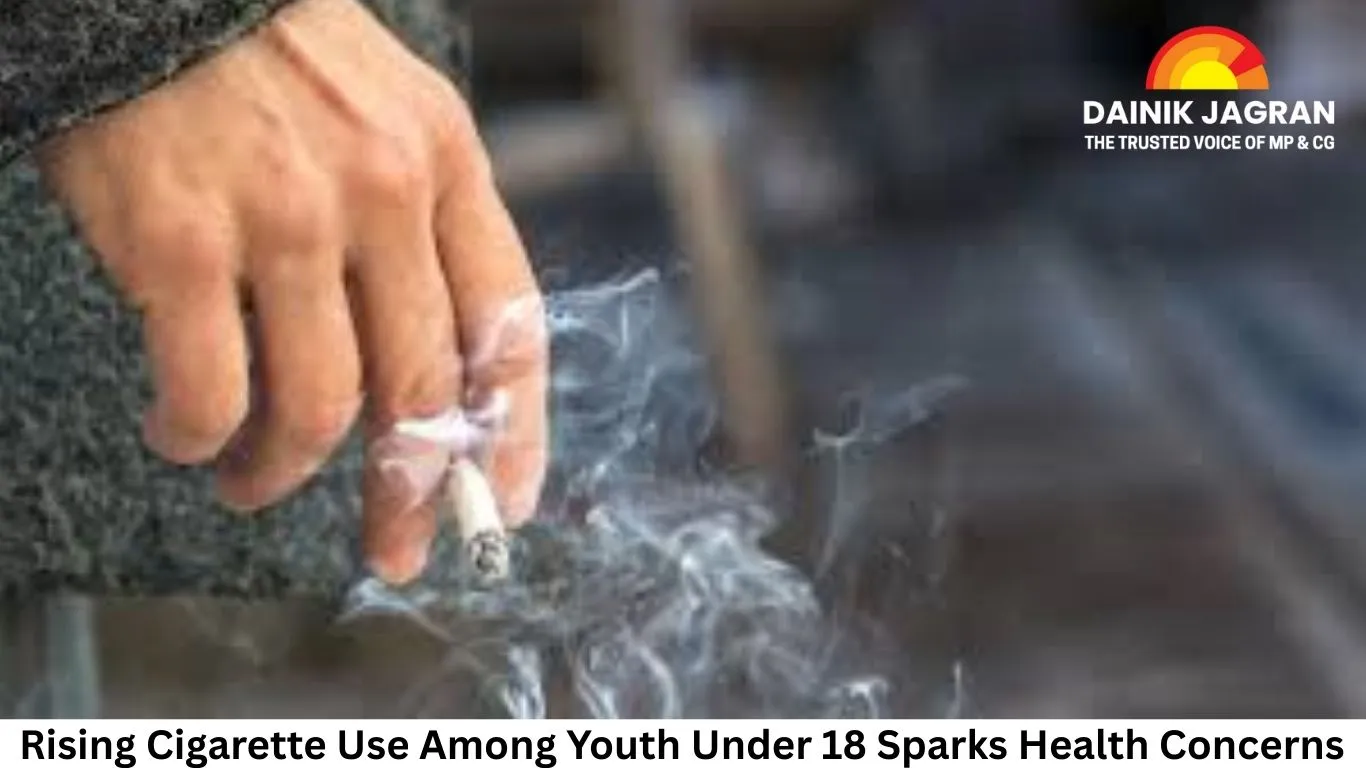
Rising Cigarette Use Among Youth Under 18 Sparks Health Concerns
Digital Desk
Health experts are raising alarms over the increasing trend of cigarette consumption among teenagers under 18 years of age, warning of long-term health risks and social consequences. Recent surveys indicate that more young people are picking up smoking at an early age, with the habit often linked to peer pressure, social media influence, and easy access to tobacco products.
According to the Ministry of Health and Family Welfare, nearly 12% of teenagers aged 13–17 have reported regular cigarette use, while a larger percentage experiment occasionally. Experts warn that early initiation into smoking significantly increases the risk of chronic illnesses such as lung cancer, heart disease, and respiratory disorders later in life.
Dr. Meera Singh, a public health specialist, said, “Adolescents are particularly vulnerable because their brains are still developing. Nicotine addiction can take hold rapidly, affecting their health and cognitive abilities. Preventive measures and awareness campaigns are critical to curb this trend.”
Social factors play a major role in encouraging teenagers to smoke. Peer influence, the glamorization of smoking in films and online content, and lax enforcement of age restrictions contribute to the rising numbers. Retailers selling cigarettes to minors remain a persistent challenge, despite laws banning sales to individuals under 18.
Parents and educators are being urged to monitor children’s behaviour and engage in open discussions about the dangers of smoking. Schools are increasingly introducing anti-smoking programs and campaigns to educate students about health risks and legal implications.
The government has also announced stricter enforcement measures under the Cigarettes and Other Tobacco Products Act (COTPA), including fines for retailers selling tobacco to minors and mandatory health warnings on packaging. Health authorities are exploring innovative strategies, such as social media campaigns, to reach adolescents more effectively.
Dr. Singh added, “Preventing smoking in youth is far more effective than trying to help someone quit later. Community participation, school education, and strict law enforcement together can help reduce this alarming trend.”
As cigarette use continues to rise among teenagers, experts emphasize that early intervention, public awareness, and parental guidance are crucial to protect the next generation from long-term health risks.
--------
🚨 Beat the News Rush – Join Now!
Get breaking alerts, hot exclusives, and game-changing stories instantly on your phone. No delays, no fluff – just the edge you need. ⚡
Tap to join:
🟢 WhatsApp Channel: Dainik Jagran MP CG
Crave more?
🅕 Facebook: Dainik Jagran MP CG English
🅧 Twitter (X): Dainik Jagran MP CG
🅘 Instagram: Dainik Jagran MP CG
Share the fire – keep your crew ahead! 🗞️🔥
Rising Cigarette Use Among Youth Under 18 Sparks Health Concerns
Digital Desk
According to the Ministry of Health and Family Welfare, nearly 12% of teenagers aged 13–17 have reported regular cigarette use, while a larger percentage experiment occasionally. Experts warn that early initiation into smoking significantly increases the risk of chronic illnesses such as lung cancer, heart disease, and respiratory disorders later in life.
Dr. Meera Singh, a public health specialist, said, “Adolescents are particularly vulnerable because their brains are still developing. Nicotine addiction can take hold rapidly, affecting their health and cognitive abilities. Preventive measures and awareness campaigns are critical to curb this trend.”
Social factors play a major role in encouraging teenagers to smoke. Peer influence, the glamorization of smoking in films and online content, and lax enforcement of age restrictions contribute to the rising numbers. Retailers selling cigarettes to minors remain a persistent challenge, despite laws banning sales to individuals under 18.
Parents and educators are being urged to monitor children’s behaviour and engage in open discussions about the dangers of smoking. Schools are increasingly introducing anti-smoking programs and campaigns to educate students about health risks and legal implications.
The government has also announced stricter enforcement measures under the Cigarettes and Other Tobacco Products Act (COTPA), including fines for retailers selling tobacco to minors and mandatory health warnings on packaging. Health authorities are exploring innovative strategies, such as social media campaigns, to reach adolescents more effectively.
Dr. Singh added, “Preventing smoking in youth is far more effective than trying to help someone quit later. Community participation, school education, and strict law enforcement together can help reduce this alarming trend.”
As cigarette use continues to rise among teenagers, experts emphasize that early intervention, public awareness, and parental guidance are crucial to protect the next generation from long-term health risks.


