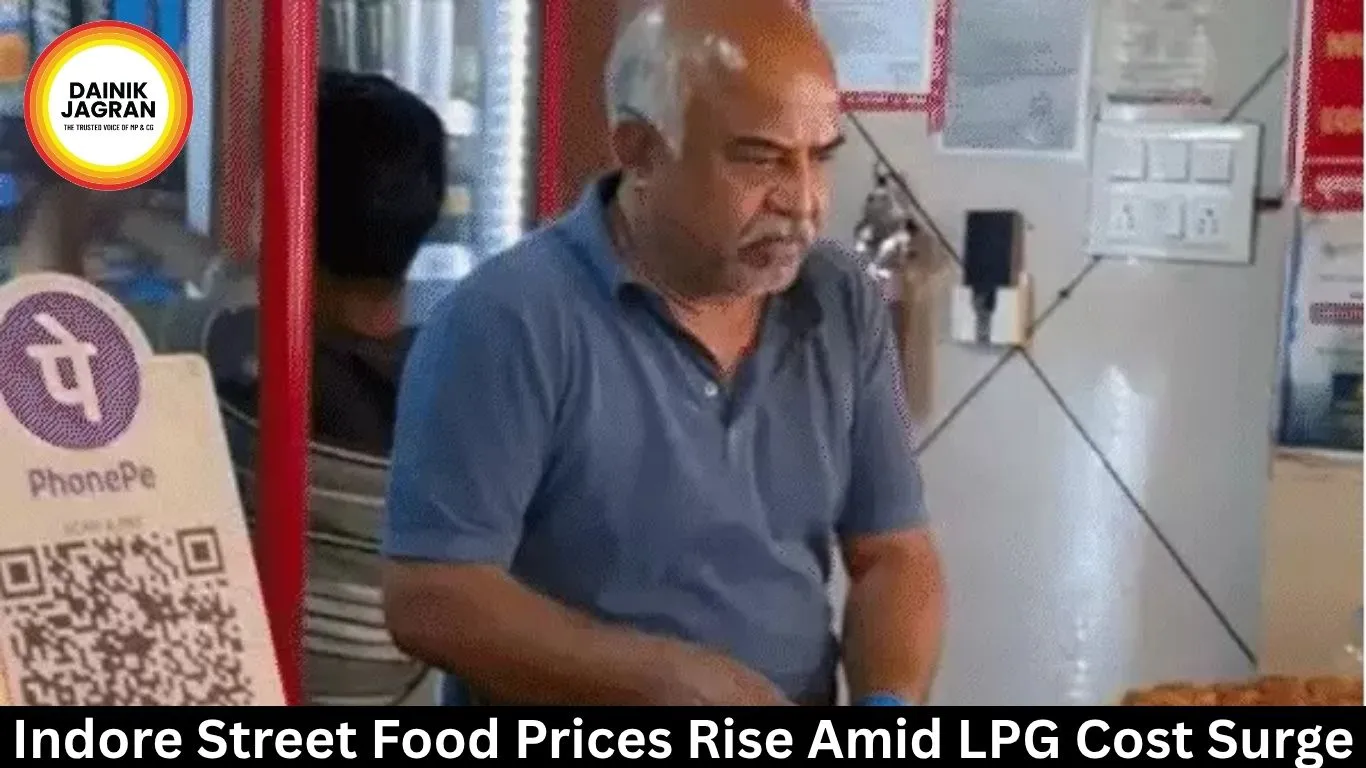
Indore Street Food Prices Rise Amid LPG Cost Surge
Digital Desk
Indore street food prices rise by ₹1–₹10 due to LPG and PNG cost surge, impacting vendors and customers across major food hubs in the city.
Indore Street Food Prices Rise as LPG, PNG Costs Surge
Indore street food prices increase by ₹1–₹10 across key food hubs as rising LPG and PNG costs impact vendors and consumers alike
Price Hike Hits Stalls
A sharp rise in fuel and raw material costs has pushed up Indore street food prices, with popular breakfast and snack items becoming costlier by ₹1 to ₹10 across the city’s major food hubs. Vendors at iconic locations such as Sarafa Bazaar, 56 Dukan, and local chowpatty zones have revised rates, citing mounting operational expenses.
From poha and tea to samosas, kachoris, and even Chinese fast food, the price increase is now visible across menus. The hike has begun to affect customer footfall, particularly among middle-class families.
Food Hubs See Impact
At Indore’s well-known food destinations, traders report a noticeable dip in customer turnout following the price revision. Vendors say they have been compelled to increase prices due to rising input costs, especially fuel.
Operators at 56 Dukan and Sarafa Bazaar indicated that while the price hike appears small per item, the cumulative effect has led to reduced spending by customers.
Costs Double for Meals
Customers have reported a steep rise in overall food expenses. Meals that earlier cost ₹400–₹500 for two people are now reaching ₹700–₹800.
This increase has directly impacted dining habits. Many families who earlier ate out multiple times a week are now limiting outings to once a week or less, reflecting a shift in consumption patterns.
Items Become Costlier
Several popular items have seen noticeable price changes. A hot dog that was priced at ₹30 is now available at ₹35, while pani puri rates have jumped from ₹30 to ₹40 per plate at some outlets.
Similarly, tea prices have risen from ₹10 to ₹14 at roadside stalls. Vendors say these adjustments are necessary to maintain business viability amid rising costs.
Vendors Cite Rising Costs
Food business operators across the city point to a consistent rise in raw materials, cooking oil, and fuel as the main reasons behind the price hike.
According to restaurant operators, the cost of edible oil has surged significantly, with prices increasing by nearly ₹500–₹600 per container in recent months. Overall raw material costs have risen by 20–25%, affecting profit margins.
Some vendors also highlighted that LPG cylinder prices have shot up from around ₹1,800 to as high as ₹3,000–₹4,000 in certain cases, further straining operations.
Gas Shortage Adds Pressure
Apart from rising costs, LPG shortages have added to the challenges faced by vendors. Several operators said delays in cylinder supply have disrupted daily operations.
Due to these constraints, many businesses are operating on reduced margins. While old bookings or regular customers are being served at earlier rates in some cases, new orders are being billed at revised prices.
Why Prices Increased
Multiple factors have contributed to the increase in Indore street food prices:
Surge in LPG cylinder prices
Higher PNG billing beyond consumption limits
Rising costs of raw materials like pulses, oil, and sugar
Increase in electricity bills
Doubling of packaging material costs
These combined pressures have left vendors with limited options but to pass on part of the burden to consumers.
What Lies Ahead
Industry observers believe that unless fuel prices stabilise or supply improves, food prices may continue to remain elevated. Vendors are trying to avoid steep hikes to retain customers, but sustained cost pressure could lead to further revisions.
For now, both traders and consumers in Indore are adjusting to the new pricing reality, reflecting a broader trend seen in several urban centres as part of the ongoing India News Update on rising living costs.

--------
🚨 Beat the News Rush – Join Now!
Get breaking alerts, hot exclusives, and game-changing stories instantly on your phone. No delays, no fluff – just the edge you need. ⚡
Tap to join:
🟢 WhatsApp Channel: Dainik Jagran MP CG
Crave more?
🅕 Facebook: Dainik Jagran MP CG English
🅧 Twitter (X): Dainik Jagran MP CG
🅘 Instagram: Dainik Jagran MP CG
Share the fire – keep your crew ahead! 🗞️🔥
Indore Street Food Prices Rise Amid LPG Cost Surge
Digital Desk
Indore Street Food Prices Rise as LPG, PNG Costs Surge
Indore street food prices increase by ₹1–₹10 across key food hubs as rising LPG and PNG costs impact vendors and consumers alike
Price Hike Hits Stalls
A sharp rise in fuel and raw material costs has pushed up Indore street food prices, with popular breakfast and snack items becoming costlier by ₹1 to ₹10 across the city’s major food hubs. Vendors at iconic locations such as Sarafa Bazaar, 56 Dukan, and local chowpatty zones have revised rates, citing mounting operational expenses.
From poha and tea to samosas, kachoris, and even Chinese fast food, the price increase is now visible across menus. The hike has begun to affect customer footfall, particularly among middle-class families.
Food Hubs See Impact
At Indore’s well-known food destinations, traders report a noticeable dip in customer turnout following the price revision. Vendors say they have been compelled to increase prices due to rising input costs, especially fuel.
Operators at 56 Dukan and Sarafa Bazaar indicated that while the price hike appears small per item, the cumulative effect has led to reduced spending by customers.
Costs Double for Meals
Customers have reported a steep rise in overall food expenses. Meals that earlier cost ₹400–₹500 for two people are now reaching ₹700–₹800.
This increase has directly impacted dining habits. Many families who earlier ate out multiple times a week are now limiting outings to once a week or less, reflecting a shift in consumption patterns.
Items Become Costlier
Several popular items have seen noticeable price changes. A hot dog that was priced at ₹30 is now available at ₹35, while pani puri rates have jumped from ₹30 to ₹40 per plate at some outlets.
Similarly, tea prices have risen from ₹10 to ₹14 at roadside stalls. Vendors say these adjustments are necessary to maintain business viability amid rising costs.
Vendors Cite Rising Costs
Food business operators across the city point to a consistent rise in raw materials, cooking oil, and fuel as the main reasons behind the price hike.
According to restaurant operators, the cost of edible oil has surged significantly, with prices increasing by nearly ₹500–₹600 per container in recent months. Overall raw material costs have risen by 20–25%, affecting profit margins.
Some vendors also highlighted that LPG cylinder prices have shot up from around ₹1,800 to as high as ₹3,000–₹4,000 in certain cases, further straining operations.
Gas Shortage Adds Pressure
Apart from rising costs, LPG shortages have added to the challenges faced by vendors. Several operators said delays in cylinder supply have disrupted daily operations.
Due to these constraints, many businesses are operating on reduced margins. While old bookings or regular customers are being served at earlier rates in some cases, new orders are being billed at revised prices.
Why Prices Increased
Multiple factors have contributed to the increase in Indore street food prices:
Surge in LPG cylinder prices
Higher PNG billing beyond consumption limits
Rising costs of raw materials like pulses, oil, and sugar
Increase in electricity bills
Doubling of packaging material costs
These combined pressures have left vendors with limited options but to pass on part of the burden to consumers.
What Lies Ahead
Industry observers believe that unless fuel prices stabilise or supply improves, food prices may continue to remain elevated. Vendors are trying to avoid steep hikes to retain customers, but sustained cost pressure could lead to further revisions.
For now, both traders and consumers in Indore are adjusting to the new pricing reality, reflecting a broader trend seen in several urban centres as part of the ongoing India News Update on rising living costs.