

‘18% Tariff vs 0%’: Rahul Gandhi Criticises India-US Trade Deal, Warns of Cotton Farmer and Textile Sector Losses
Digital Desk
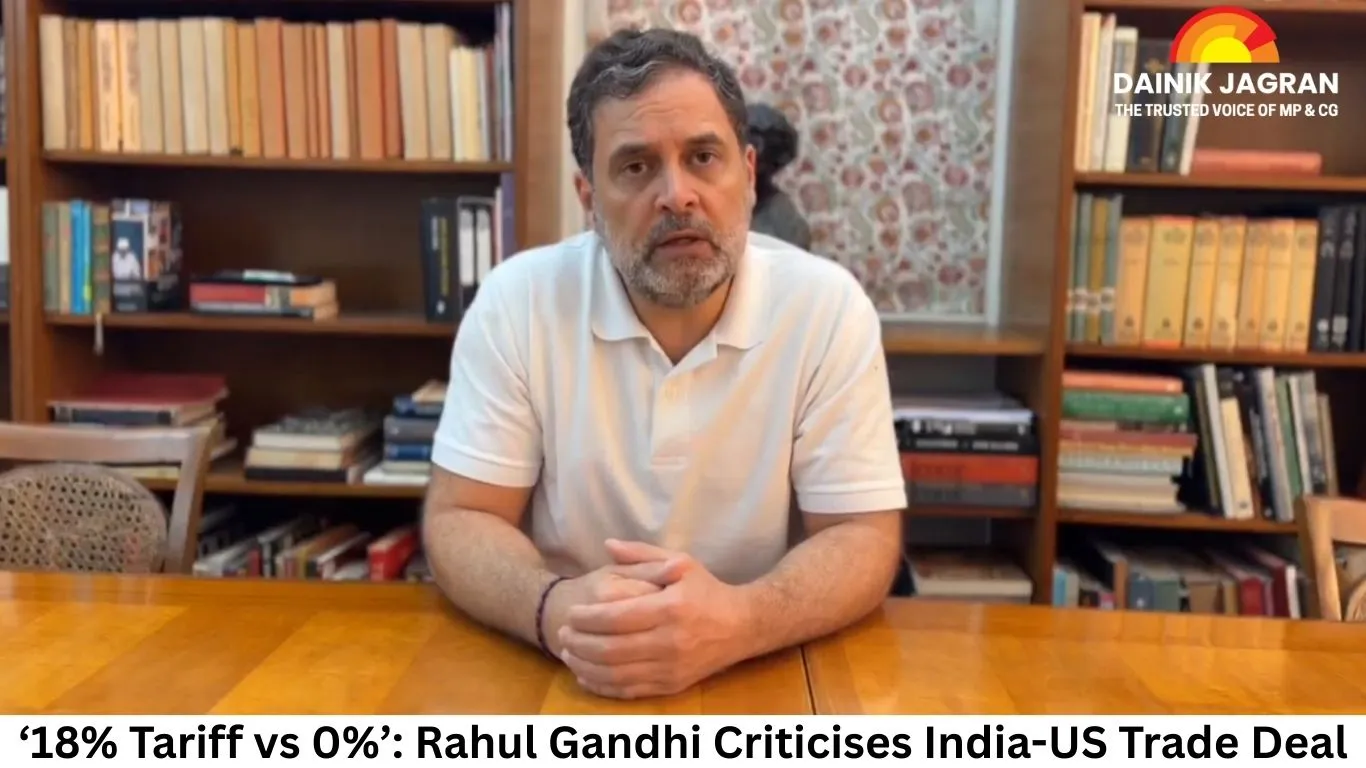
Congress leader Rahul Gandhi on Friday sharply criticised the India-US interim trade agreement, claiming it poses significant risks to India’s cotton farmers and textile exporters. Speaking on the deal announced last week, Gandhi highlighted a disparity in tariffs that he said could threaten livelihoods and economic stability in key sectors.
Under the interim framework, Indian textile and apparel exports face an 18% tariff in the United States, whereas Bangladesh enjoys zero-duty access provided it imports American cotton. Gandhi argued this creates a dilemma for India: sourcing US cotton could hurt domestic farmers, while avoiding US cotton might restrict India’s textile exports. He further cautioned that Bangladesh might reduce or stop importing cotton from India, potentially undermining local producers.
“The textile industry and cotton farming are the backbone of livelihood in India. Crores of people depend on these sectors. Attacking them pushes millions of families into unemployment and economic crisis,” Gandhi said, asserting that the government failed to negotiate a deal that protects both farmers and exporters.
Responding to the criticism, Union Commerce Minister Piyush Goyal clarified that Indian exporters will receive the same zero-duty benefits as Bangladesh if they import cotton or yarn from the US. Goyal added that Congress lacks understanding of the economic framework, dismissing Gandhi’s claims as misleading.
The interim trade agreement, described as a framework for a broader reciprocal deal, includes tariff reductions on US goods including industrial products, tree nuts, fruits, soybean oil, wine, and animal feed. Indian exports such as textiles, apparel, leather, footwear, plastics, rubber, organic chemicals, home décor, artisanal products, and certain machinery face an 18% tariff. However, the deal also anticipates the removal of US tariffs on generic pharmaceuticals, gems, diamonds, and aircraft parts once fully implemented.
Economic analysts note that the agreement is designed to enhance bilateral trade but could require careful implementation to protect domestic producers. While India gains access to the US market under certain conditions, critics like Gandhi warn of the short-term challenges for rural farmers and the labor-intensive textile sector, which employs millions nationwide.
The debate is likely to intensify as political parties scrutinize the impact of the trade framework ahead of upcoming state and national elections, particularly focusing on job security and the sustainability of India’s cotton and textile sectors.
--------
🚨 Beat the News Rush – Join Now!
Get breaking alerts, hot exclusives, and game-changing stories instantly on your phone. No delays, no fluff – just the edge you need. ⚡
Tap to join:
🟢 WhatsApp Channel: Dainik Jagran MP CG
Crave more?
🅕 Facebook: Dainik Jagran MP CG English
🅧 Twitter (X): Dainik Jagran MP CG
🅘 Instagram: Dainik Jagran MP CG
Share the fire – keep your crew ahead! 🗞️🔥
‘18% Tariff vs 0%’: Rahul Gandhi Criticises India-US Trade Deal, Warns of Cotton Farmer and Textile Sector Losses
Digital Desk
Under the interim framework, Indian textile and apparel exports face an 18% tariff in the United States, whereas Bangladesh enjoys zero-duty access provided it imports American cotton. Gandhi argued this creates a dilemma for India: sourcing US cotton could hurt domestic farmers, while avoiding US cotton might restrict India’s textile exports. He further cautioned that Bangladesh might reduce or stop importing cotton from India, potentially undermining local producers.
“The textile industry and cotton farming are the backbone of livelihood in India. Crores of people depend on these sectors. Attacking them pushes millions of families into unemployment and economic crisis,” Gandhi said, asserting that the government failed to negotiate a deal that protects both farmers and exporters.
Responding to the criticism, Union Commerce Minister Piyush Goyal clarified that Indian exporters will receive the same zero-duty benefits as Bangladesh if they import cotton or yarn from the US. Goyal added that Congress lacks understanding of the economic framework, dismissing Gandhi’s claims as misleading.
The interim trade agreement, described as a framework for a broader reciprocal deal, includes tariff reductions on US goods including industrial products, tree nuts, fruits, soybean oil, wine, and animal feed. Indian exports such as textiles, apparel, leather, footwear, plastics, rubber, organic chemicals, home décor, artisanal products, and certain machinery face an 18% tariff. However, the deal also anticipates the removal of US tariffs on generic pharmaceuticals, gems, diamonds, and aircraft parts once fully implemented.
Economic analysts note that the agreement is designed to enhance bilateral trade but could require careful implementation to protect domestic producers. While India gains access to the US market under certain conditions, critics like Gandhi warn of the short-term challenges for rural farmers and the labor-intensive textile sector, which employs millions nationwide.
The debate is likely to intensify as political parties scrutinize the impact of the trade framework ahead of upcoming state and national elections, particularly focusing on job security and the sustainability of India’s cotton and textile sectors.


