
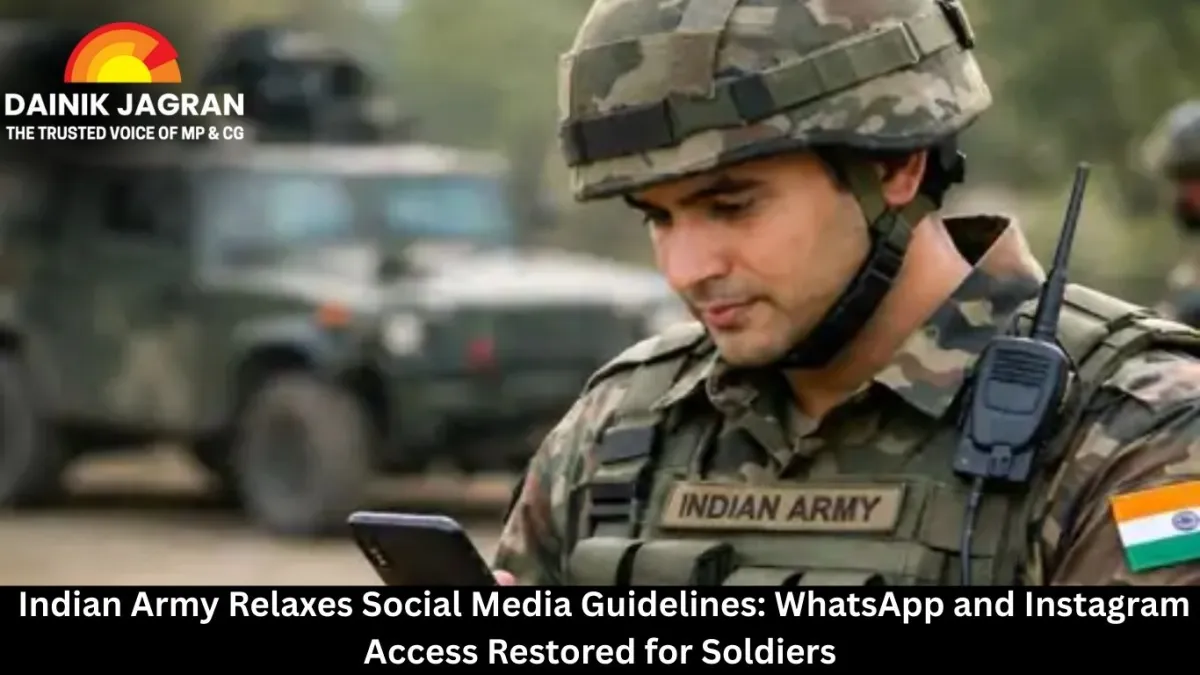

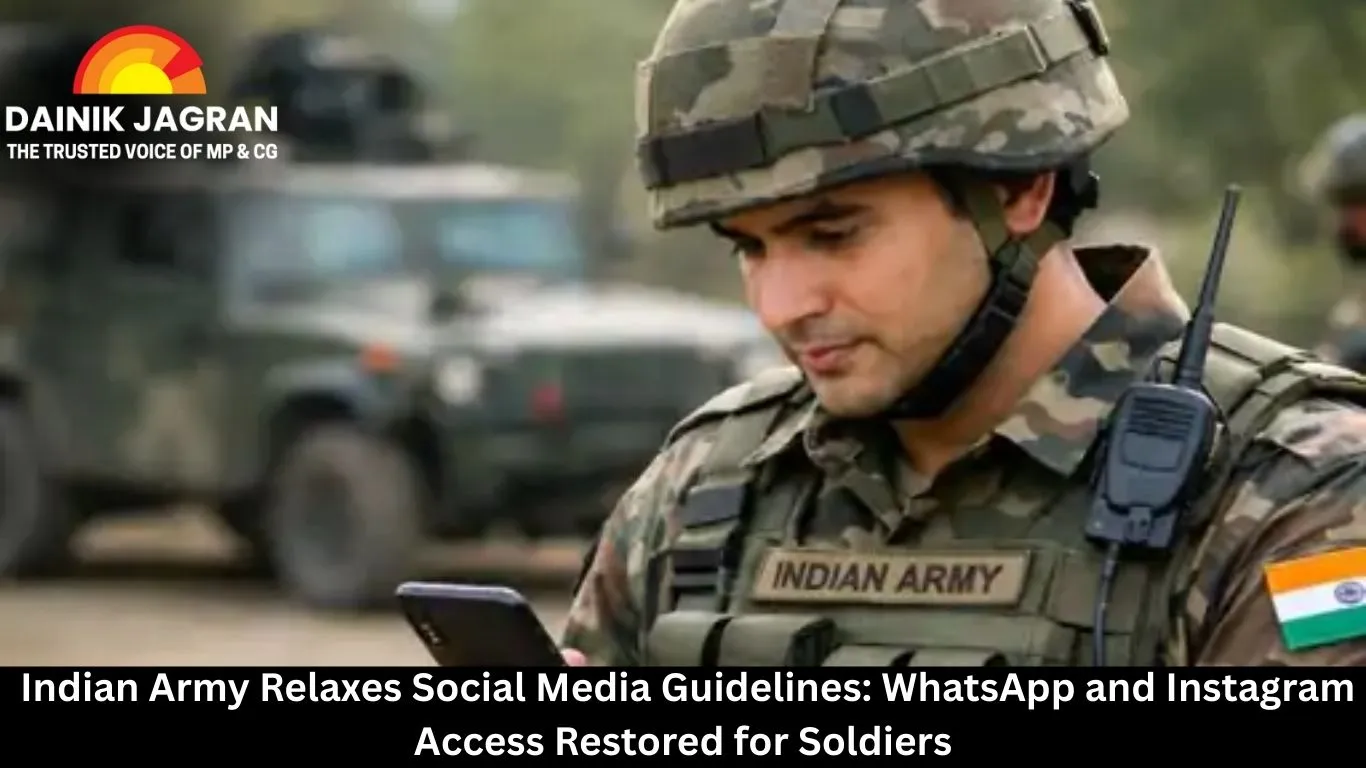
Indian Army Relaxes Social Media Guidelines: WhatsApp and Instagram Access Restored for Soldiers
Digital Desk
Lead: A Digital Thaw in the Ranks
In a significant shift for India's defense forces, the Indian Army has relaxed its stringent social media guidelines, allowing soldiers limited access to popular apps like WhatsApp and Instagram after a five-year ban. Announced just hours ago in New Delhi, these updates aim to balance connectivity with security, especially as border tensions with Pakistan and China persist into late 2025. This move comes amid evolving digital threats, making it timely for troops who crave family updates without compromising national secrets.
Why the 2020 Ban Happened—and Why It's Lifting Now
The blanket prohibition on 89 apps in 2020 was a direct response to escalating cyber risks. Honey-trap operations by Pakistan's ISI exploited soldiers' online activity, leading to leaks of sensitive info. Apps like Facebook, TikTok, and even PUBG were deleted en masse, with WhatsApp later barred entirely for official use in 2024 due to surveillance fears from neighboring adversaries.
Fast-forward to December 2025: With advanced encryption and stricter protocols, the Army is cautiously reopening digital doors. "This isn't a free-for-all; it's about smart, supervised engagement," says simulated defense analyst Col. Rajesh Mehta (retired), emphasizing the need for morale in prolonged deployments. The relaxation aligns with global trends where militaries like the U.S. Army permit controlled social media to combat isolation.
Key changes under the new Indian Army social media guidelines:
- WhatsApp and Telegram: Soldiers can share non-confidential personal messages, like family photos or casual chats.
- Instagram: Viewing reels, photos, and videos is greenlit, but no commenting, liking, or posting to prevent data trails.
- YouTube and X (formerly Twitter): Strictly for news and info consumption—no interactions.
- Professional Tools: LinkedIn for career networking, Skype and Signal for secure calls, all monitored.
These rules ensure troops stay connected without becoming targets, a practical win for mental health in high-stress environments.
Beyond Screens: Patenting the Future of Combat Gear
Tying into modernization efforts, the Indian Army patented its innovative combat uniform last month, further showcasing adaptive strategies. Designed by the National Institute of Fashion Technology (NIFT) Delhi and the Army Design Bureau, this three-layer digitally printed coat—introduced in January 2025—adapts to extreme weather, from Himalayan chills to desert heats.
No unauthorized manufacturing or sales allowed; violators face fines and legal action. "It's not just fabric; it's a shield for our jawans," notes NIFT Director Prof. Seema Suri. For soldiers, this means enhanced comfort during ops, reducing fatigue by up to 20% per early trials.
Practical takeaways for defense watchers:
- For Troops: Use apps judiciously—stick to personal, non-op details to avoid audits.
- For Families: Expect quicker, safer check-ins, fostering stronger bonds.
- Policy Insight: This signals India's push toward tech-savvy forces, but expect annual reviews amid cyber evolution.
Conclusion: Striking the Security-Balance in a Connected World
As 2025 closes with these Indian Army social media guidelines updates, the message is clear: Connectivity is a right, but vigilance is non-negotiable. In an era of AI-driven threats and hybrid warfare, this balanced approach could set a precedent for other branches. It matters now because isolated soldiers fuel vulnerabilities—reconnected ones build resilience. Stay tuned as implementation rolls out; for now, it's a small digital victory in the line of duty.
Related Posts

Trending News
 MEA Organises Special Passport Drive at Pune and Solapur PSKs on July 11
 .jpg)




