

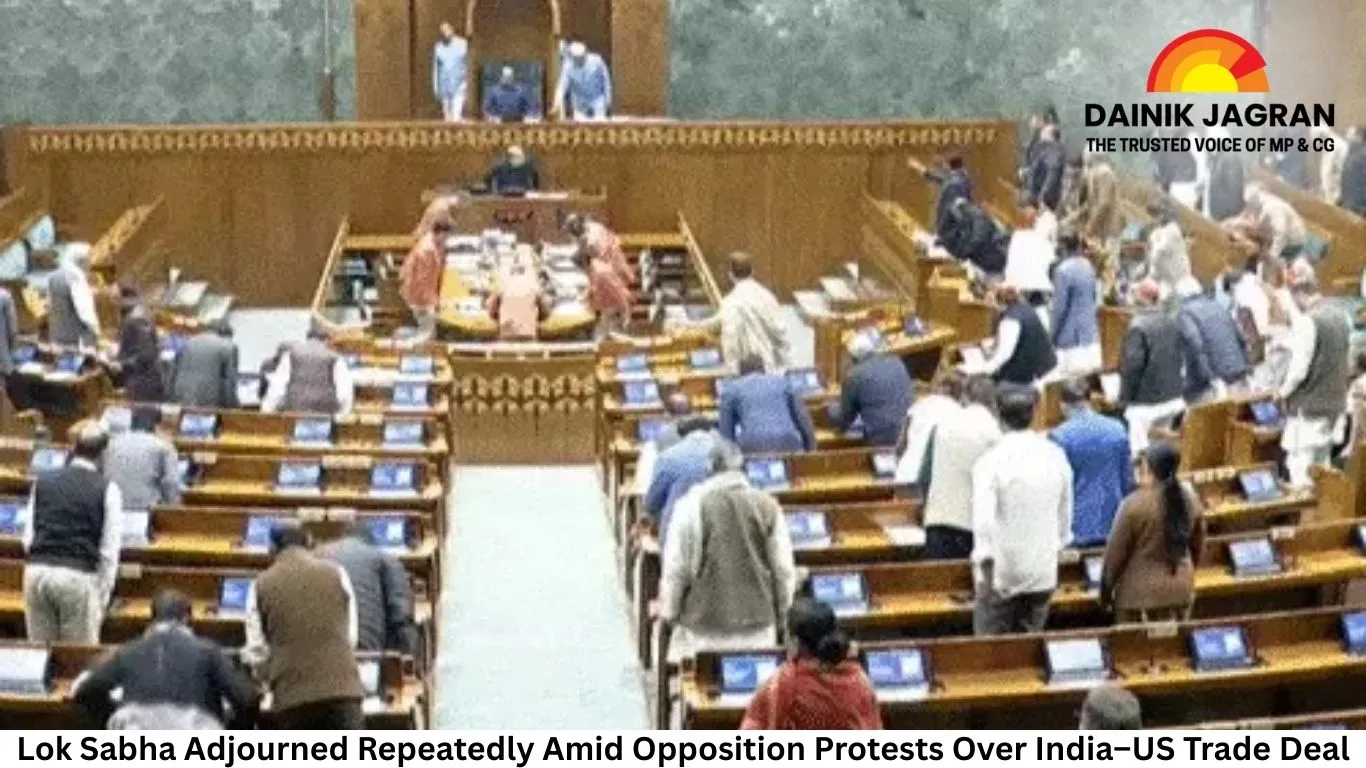
The Lower House assembled at 11 am but was adjourned within eight minutes after opposition MPs began sloganeering as soon as proceedings commenced. When the House reconvened at noon, it managed to operate for only 13 minutes before being adjourned again till 2 pm amid continuing protests. The disruptions came during the discussion on the Motion of Thanks to the President’s Address.
Lok Sabha Speaker Om Birla cautioned members that raising slogans inside the House violated parliamentary rules and obstructed legislative business. According to sources, Birla later held separate meetings with senior MPs from the Congress and the BJP, urging cooperation to allow the House to function and warning against further disruptions.
The immediate trigger for the protests was the opposition’s demand for a detailed parliamentary discussion on the recently announced India–US trade agreement. Opposition leaders alleged that key details of the deal were first made public by US President Donald Trump, accusing the government of bypassing Parliament and conceding ground without adequate scrutiny.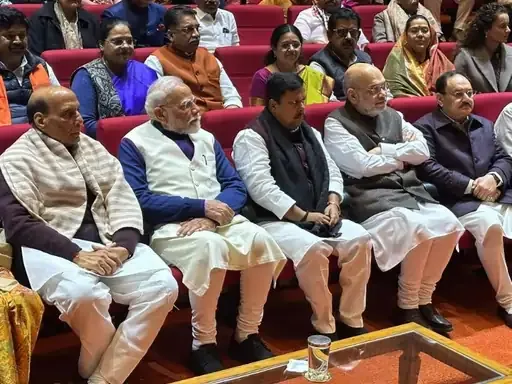
Congress leaders intensified their criticism throughout the day. Congress MP Randeep Surjewala accused the Centre of “betraying Indian farmers” through the trade agreement, claiming it could open the domestic market to American agricultural products at zero duty. He questioned the potential impact on Indian producers of cotton, maize, wheat, dairy products, almonds and apples, and demanded that the agreement be placed before Parliament for a full debate.
“The government is mortgaging the interests of farmers in the dark,” Surjewala alleged, asserting that repeated adjournments were being used to suppress discussion on an issue of national importance. Other Congress MPs echoed the demand for transparency, arguing that Parliament must be taken into confidence on both the India–US and India–EU trade engagements.
The government, however, rejected the opposition’s charges. Parliamentary Affairs Minister Kiren Rijiju criticised the repeated disruptions, saying they were depriving many MPs of the opportunity to participate constructively in the debate. Rijiju said the discussion on the President’s Address had begun positively but was derailed by sloganeering. He urged opposition leaders, including Leader of the Opposition Rahul Gandhi, to exercise restraint and allow the House to function.
Senior BJP leaders defended the trade agreement, describing it as a significant diplomatic and economic achievement. Prime Minister Modi attended the NDA parliamentary party meeting earlier in the day, where ministers and alliance partners discussed the agreement. Union Minister Kiren Rijiju called the deal “historic,” while Shiv Sena MP Milind Deora credited the Prime Minister’s leadership for securing favourable outcomes in trade negotiations with both the United States and Europe.
BJP MP Kangana Ranaut also welcomed recent tariff-related announcements, calling them encouraging for India’s trade interests. She said initial concerns had given way to clarity suggesting a positive impact on the economy.
Amid the political sparring, the atmosphere in Parliament remained tense. The Speaker questioned the purpose of sloganeering during Question Hour and appealed to members to respect parliamentary decorum. Despite these appeals, opposition MPs continued their protests, forcing repeated suspensions of proceedings.
The disruptions in the Lok Sabha contrasted with relatively smoother proceedings in the Rajya Sabha, where debates reportedly continued with fewer interruptions. However, the repeated adjournments in the Lower House raised concerns over the loss of valuable legislative time, particularly during a session scheduled to consider key economic and constitutional bills.
The Budget Session, which began on January 28, is slated to run for 65 days across two phases, concluding on April 2. Several important bills, including those related to education, securities markets and constitutional amendments, are listed for discussion during the session. Parliamentary observers note that sustained disruptions could delay legislative business and heighten political tensions in the coming days.
As the House awaits its next sitting, the Speaker’s efforts to broker consensus between the treasury benches and the opposition will be crucial. With both sides standing firm on the trade deal issue, the challenge before Parliament remains balancing robust political debate with the need to ensure uninterrupted legislative functioning.

Lok Sabha Adjourned Repeatedly Amid Opposition Protests Over India–US Trade Deal
Digital Desk
The Lower House assembled at 11 am but was adjourned within eight minutes after opposition MPs began sloganeering as soon as proceedings commenced. When the House reconvened at noon, it managed to operate for only 13 minutes before being adjourned again till 2 pm amid continuing protests. The disruptions came during the discussion on the Motion of Thanks to the President’s Address.
Lok Sabha Speaker Om Birla cautioned members that raising slogans inside the House violated parliamentary rules and obstructed legislative business. According to sources, Birla later held separate meetings with senior MPs from the Congress and the BJP, urging cooperation to allow the House to function and warning against further disruptions.
The immediate trigger for the protests was the opposition’s demand for a detailed parliamentary discussion on the recently announced India–US trade agreement. Opposition leaders alleged that key details of the deal were first made public by US President Donald Trump, accusing the government of bypassing Parliament and conceding ground without adequate scrutiny.
Congress leaders intensified their criticism throughout the day. Congress MP Randeep Surjewala accused the Centre of “betraying Indian farmers” through the trade agreement, claiming it could open the domestic market to American agricultural products at zero duty. He questioned the potential impact on Indian producers of cotton, maize, wheat, dairy products, almonds and apples, and demanded that the agreement be placed before Parliament for a full debate.
“The government is mortgaging the interests of farmers in the dark,” Surjewala alleged, asserting that repeated adjournments were being used to suppress discussion on an issue of national importance. Other Congress MPs echoed the demand for transparency, arguing that Parliament must be taken into confidence on both the India–US and India–EU trade engagements.
The government, however, rejected the opposition’s charges. Parliamentary Affairs Minister Kiren Rijiju criticised the repeated disruptions, saying they were depriving many MPs of the opportunity to participate constructively in the debate. Rijiju said the discussion on the President’s Address had begun positively but was derailed by sloganeering. He urged opposition leaders, including Leader of the Opposition Rahul Gandhi, to exercise restraint and allow the House to function.
Senior BJP leaders defended the trade agreement, describing it as a significant diplomatic and economic achievement. Prime Minister Modi attended the NDA parliamentary party meeting earlier in the day, where ministers and alliance partners discussed the agreement. Union Minister Kiren Rijiju called the deal “historic,” while Shiv Sena MP Milind Deora credited the Prime Minister’s leadership for securing favourable outcomes in trade negotiations with both the United States and Europe.
BJP MP Kangana Ranaut also welcomed recent tariff-related announcements, calling them encouraging for India’s trade interests. She said initial concerns had given way to clarity suggesting a positive impact on the economy.
Amid the political sparring, the atmosphere in Parliament remained tense. The Speaker questioned the purpose of sloganeering during Question Hour and appealed to members to respect parliamentary decorum. Despite these appeals, opposition MPs continued their protests, forcing repeated suspensions of proceedings.
The disruptions in the Lok Sabha contrasted with relatively smoother proceedings in the Rajya Sabha, where debates reportedly continued with fewer interruptions. However, the repeated adjournments in the Lower House raised concerns over the loss of valuable legislative time, particularly during a session scheduled to consider key economic and constitutional bills.
The Budget Session, which began on January 28, is slated to run for 65 days across two phases, concluding on April 2. Several important bills, including those related to education, securities markets and constitutional amendments, are listed for discussion during the session. Parliamentary observers note that sustained disruptions could delay legislative business and heighten political tensions in the coming days.
As the House awaits its next sitting, the Speaker’s efforts to broker consensus between the treasury benches and the opposition will be crucial. With both sides standing firm on the trade deal issue, the challenge before Parliament remains balancing robust political debate with the need to ensure uninterrupted legislative functioning.
.jpg)




