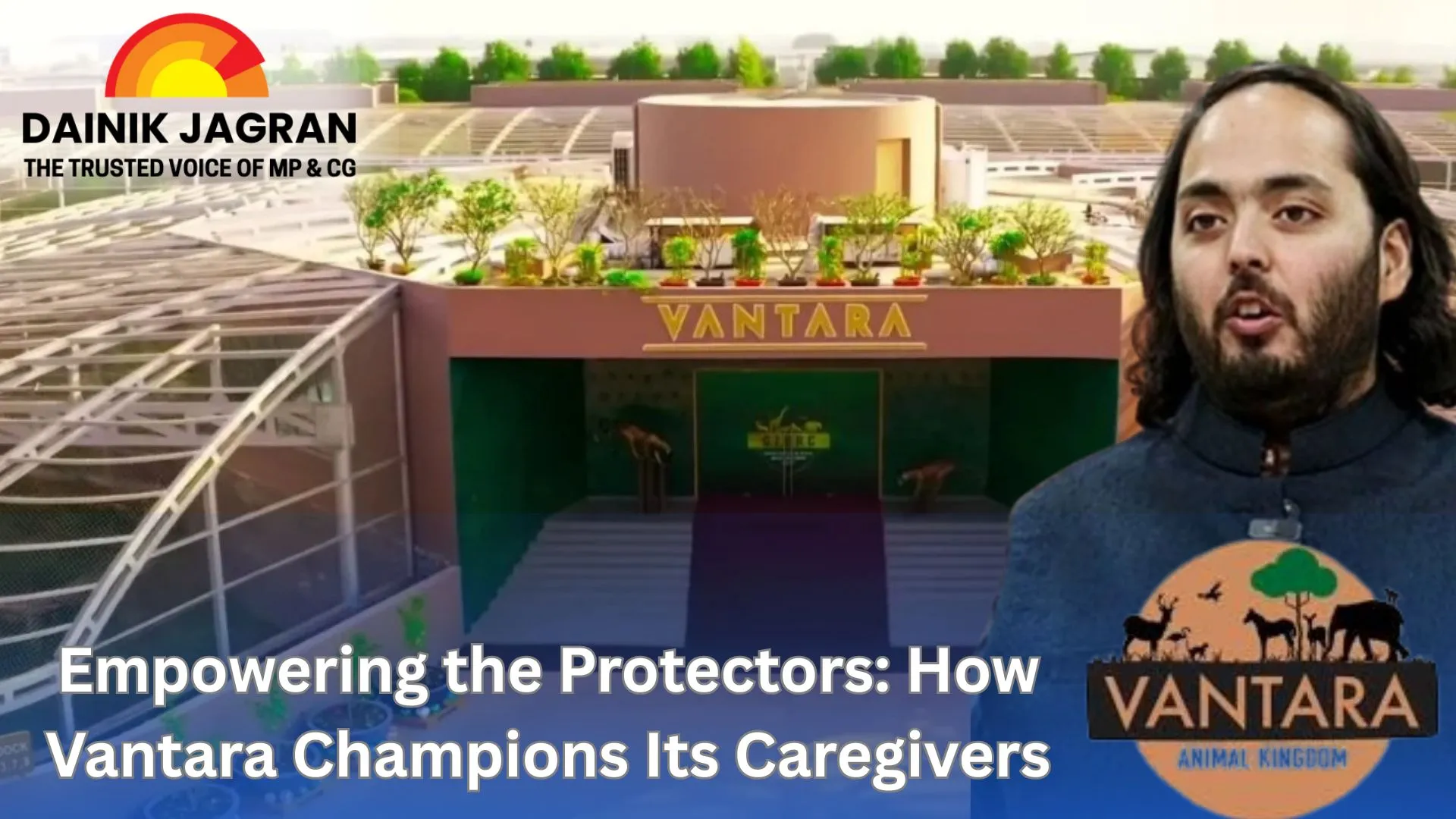
Nurturing the Guardians: How Vantara Empowers Its Caregivers
Opinion
When we think of conservation, our minds often go to majestic animals being rescued from danger and given a second chance at life.
Yet, behind every elephant, tiger, bird, or reptile finding refuge lies an unsung group of people—those who dedicate their lives to caring for them. At Vantara, the world-class animal rescue, conservation, and rehabilitation centre established by Anant Ambani under the Reliance Foundation in Jamnagar, both animals and humans are placed at the heart of its mission.
A Sanctuary Like No Other
Spread across an expanse of more than 3,000 acres, Vantara is home to an astonishing 150,000-plus animals spanning over 2,000 species. From elephants rescued from harsh captivity, to big cats saved from exploitation, to reptiles and exotic birds, the centre has become a sanctuary where life finds renewal. Each creature here receives not just shelter, but carefully designed species-specific habitats, nutritious diets crafted for their needs, enrichment routines to encourage natural behaviours, and constant veterinary supervision.
For many of these animals, Vantara represents the first time they have experienced freedom from suffering. Yet, this remarkable transformation would be impossible without the people who work tirelessly behind the scenes.
The Human Backbone of Conservation
With nearly 3,000 dedicated personnel—including globally recognised veterinarians, wildlife experts, mahouts, caregivers, and support staff—Vantara has built a rare ecosystem where human welfare is given equal weight to animal care. Recognising that tending to distressed or injured wildlife is not only emotionally demanding but also physically risky, the institution has developed strong systems to safeguard its workforce.
From advanced training sessions on animal handling to equipping staff with protective gear, Vantara ensures that those on the frontlines are both skilled and secure. Routine medical check-ups, stress management programs, and continuous capacity-building workshops are integrated into the work culture. This holistic approach acknowledges an essential truth: protecting animals begins with protecting the people who serve them.
Safety, Training, and Care for the Caregivers
Animal rescue work is unpredictable. A frightened elephant or a distressed tiger can pose real danger, even to experienced handlers. At Vantara, therefore, the emphasis is on preparation and prevention. Every caregiver undergoes rigorous training in animal behaviour, emergency response, and humane handling techniques. Mahouts working with elephants are trained in modern, compassionate care practices, while veterinarians are supported with cutting-edge diagnostic and surgical facilities.
Beyond physical safety, Vantara places importance on the wellbeing of its staff. Conservation can be emotionally draining, as caregivers often witness trauma in rescued animals. To support them, counselling services, peer-support networks, and recognition programs are part of the institutional fabric. Staff are not just employees—they are partners in a shared mission of compassion.
Anant Ambani’s Vision: Care as the Core of Conservation
At the heart of Vantara is the vision of Anant Ambani, who believes that true conservation must be rooted in empathy, science, and responsibility. His leadership has resulted in the establishment of one of the world’s largest elephant care hospitals, alongside innovative enclosures that encourage natural instincts and promote mental and physical health.
But what makes Vantara truly unique is how this ethos of compassion extends beyond the animals to include its people. By valuing the workforce as much as the wildlife, Vantara is creating a model for conservation that is sustainable, ethical, and deeply human.
A Ripple Effect Beyond the Sanctuary
The impact of Vantara’s approach is already extending beyond Jamnagar. By training and employing experts from across India and abroad, it is helping build a new generation of conservation professionals. These individuals carry forward lessons of empathy-driven science, inspiring institutions worldwide to adopt similar practices.
Moreover, the message is clear: when conservation honours both animals and the humans who protect them, it creates a culture of care that is stronger, more resilient, and more enduring.
A New Standard in Conservation
Vantara is more than a rescue centre—it is a living example of what happens when conservation is reimagined as a partnership between people and animals. It is a reminder that while animals may need saving, the saviours themselves also need support, safety, and recognition.
In creating an environment where both can thrive, Vantara is setting a new global standard: one where empathy is not just practised towards wildlife but woven into the very fabric of human interaction.

--------
🚨 Beat the News Rush – Join Now!
Get breaking alerts, hot exclusives, and game-changing stories instantly on your phone. No delays, no fluff – just the edge you need. ⚡
Tap to join:
🟢 WhatsApp Channel: Dainik Jagran MP CG
Crave more?
🅕 Facebook: Dainik Jagran MP CG English
🅧 Twitter (X): Dainik Jagran MP CG
🅘 Instagram: Dainik Jagran MP CG
Share the fire – keep your crew ahead! 🗞️🔥
Nurturing the Guardians: How Vantara Empowers Its Caregivers
Opinion
Yet, behind every elephant, tiger, bird, or reptile finding refuge lies an unsung group of people—those who dedicate their lives to caring for them. At Vantara, the world-class animal rescue, conservation, and rehabilitation centre established by Anant Ambani under the Reliance Foundation in Jamnagar, both animals and humans are placed at the heart of its mission.
A Sanctuary Like No Other
Spread across an expanse of more than 3,000 acres, Vantara is home to an astonishing 150,000-plus animals spanning over 2,000 species. From elephants rescued from harsh captivity, to big cats saved from exploitation, to reptiles and exotic birds, the centre has become a sanctuary where life finds renewal. Each creature here receives not just shelter, but carefully designed species-specific habitats, nutritious diets crafted for their needs, enrichment routines to encourage natural behaviours, and constant veterinary supervision.
For many of these animals, Vantara represents the first time they have experienced freedom from suffering. Yet, this remarkable transformation would be impossible without the people who work tirelessly behind the scenes.
The Human Backbone of Conservation
With nearly 3,000 dedicated personnel—including globally recognised veterinarians, wildlife experts, mahouts, caregivers, and support staff—Vantara has built a rare ecosystem where human welfare is given equal weight to animal care. Recognising that tending to distressed or injured wildlife is not only emotionally demanding but also physically risky, the institution has developed strong systems to safeguard its workforce.
From advanced training sessions on animal handling to equipping staff with protective gear, Vantara ensures that those on the frontlines are both skilled and secure. Routine medical check-ups, stress management programs, and continuous capacity-building workshops are integrated into the work culture. This holistic approach acknowledges an essential truth: protecting animals begins with protecting the people who serve them.
Safety, Training, and Care for the Caregivers
Animal rescue work is unpredictable. A frightened elephant or a distressed tiger can pose real danger, even to experienced handlers. At Vantara, therefore, the emphasis is on preparation and prevention. Every caregiver undergoes rigorous training in animal behaviour, emergency response, and humane handling techniques. Mahouts working with elephants are trained in modern, compassionate care practices, while veterinarians are supported with cutting-edge diagnostic and surgical facilities.
Beyond physical safety, Vantara places importance on the wellbeing of its staff. Conservation can be emotionally draining, as caregivers often witness trauma in rescued animals. To support them, counselling services, peer-support networks, and recognition programs are part of the institutional fabric. Staff are not just employees—they are partners in a shared mission of compassion.
Anant Ambani’s Vision: Care as the Core of Conservation
At the heart of Vantara is the vision of Anant Ambani, who believes that true conservation must be rooted in empathy, science, and responsibility. His leadership has resulted in the establishment of one of the world’s largest elephant care hospitals, alongside innovative enclosures that encourage natural instincts and promote mental and physical health.
But what makes Vantara truly unique is how this ethos of compassion extends beyond the animals to include its people. By valuing the workforce as much as the wildlife, Vantara is creating a model for conservation that is sustainable, ethical, and deeply human.
A Ripple Effect Beyond the Sanctuary
The impact of Vantara’s approach is already extending beyond Jamnagar. By training and employing experts from across India and abroad, it is helping build a new generation of conservation professionals. These individuals carry forward lessons of empathy-driven science, inspiring institutions worldwide to adopt similar practices.
Moreover, the message is clear: when conservation honours both animals and the humans who protect them, it creates a culture of care that is stronger, more resilient, and more enduring.
A New Standard in Conservation
Vantara is more than a rescue centre—it is a living example of what happens when conservation is reimagined as a partnership between people and animals. It is a reminder that while animals may need saving, the saviours themselves also need support, safety, and recognition.
In creating an environment where both can thrive, Vantara is setting a new global standard: one where empathy is not just practised towards wildlife but woven into the very fabric of human interaction.