


Tribal-Owned Enterprise in Nilgiris Crosses ₹1.4 Crore Turnover, Strengthens Local Livelihoods
Digital Desk
Founded in 2013 with facilitation support from the Keystone Foundation, the company was established to address long-standing challenges faced by tribal gatherers and small farmers, including price exploitation, limited market access, and seasonal migration. It now has 1,809 shareholders—nearly half of them women—and operates through village-level procurement and processing systems designed to keep value addition within local communities.
The company aggregates products such as amla, shikakai, honey, jamun, coffee, millets, and pepper. Farmers and forest collectors supply goods directly to village centres, where drying, grading, packing, and storage are carried out before dispatch to urban buyers. This decentralised structure reduces middlemen and ensures that profits remain within the villages.
Fair pricing is a cornerstone of the initiative. Procurement rates are fixed through consultations with regional representatives, with the aim of paying producers at least 20 percent above prevailing market prices. Electronic weighing systems are used to maintain transparency and accuracy, helping build trust among members and ensuring prompt payments.
Officials associated with the initiative say the model has led to steady income growth and reduced migration for seasonal labour. Profits are distributed annually among shareholders in proportion to their contribution, reinforcing collective ownership and long-term participation.
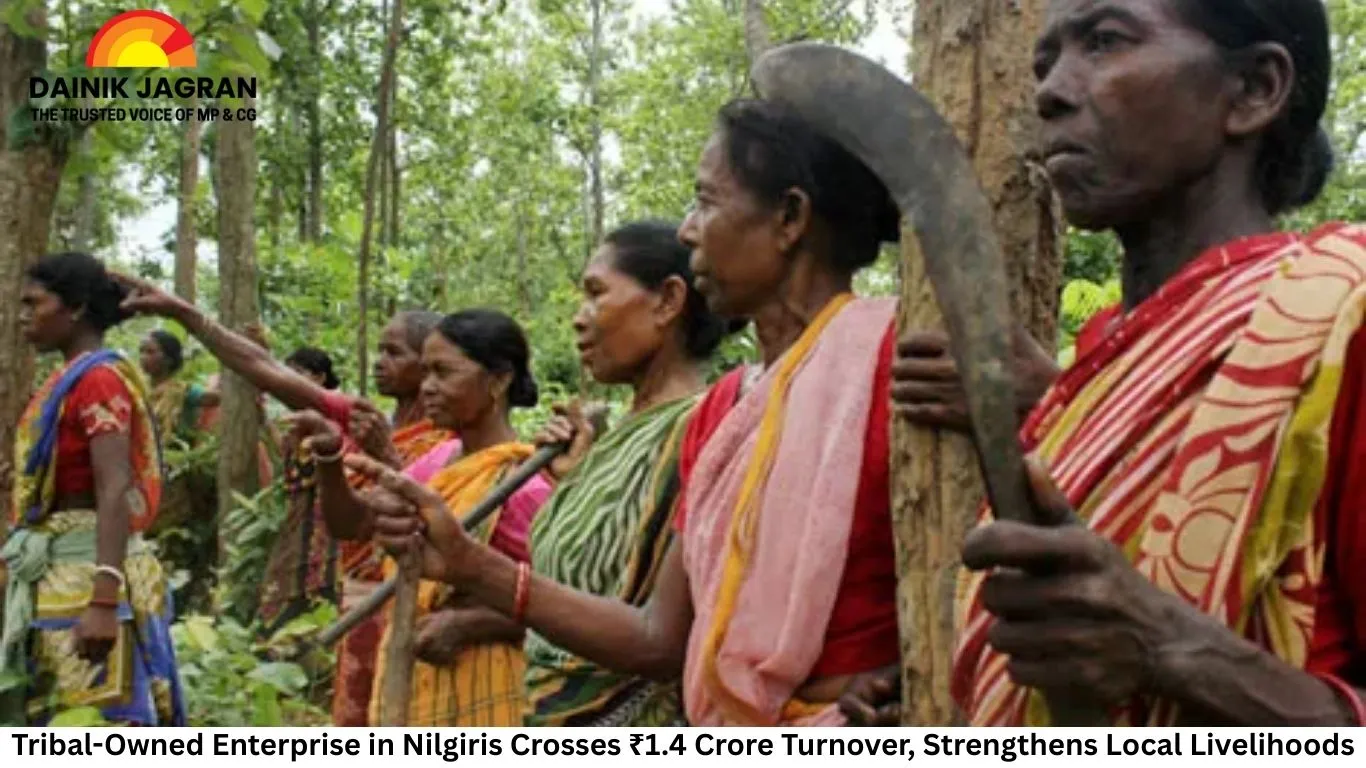
Women play a dominant role in operations. Of the company’s 60 employees, 52 are women, many of whom participate through a door-to-door procurement system that allows them to work without leaving their villages. The enterprise has also introduced accident insurance for honey collectors and others engaged in high-risk forest activities, adding a layer of social protection rarely available in remote regions.
The initiative has received international recognition, including the Equator Award, for combining livelihood generation with ecological conservation. Development experts say the model could serve as a blueprint for community-led enterprises in other forest regions, particularly where traditional knowledge and natural resources form the backbone of local economies.
.jpg)




