


Trump’s Tariff Threat: A New Strain in the "Very Good" Relationship with Modi
Digital Desk
Analysis: A "Very Good Relationship" Under Economic Strain
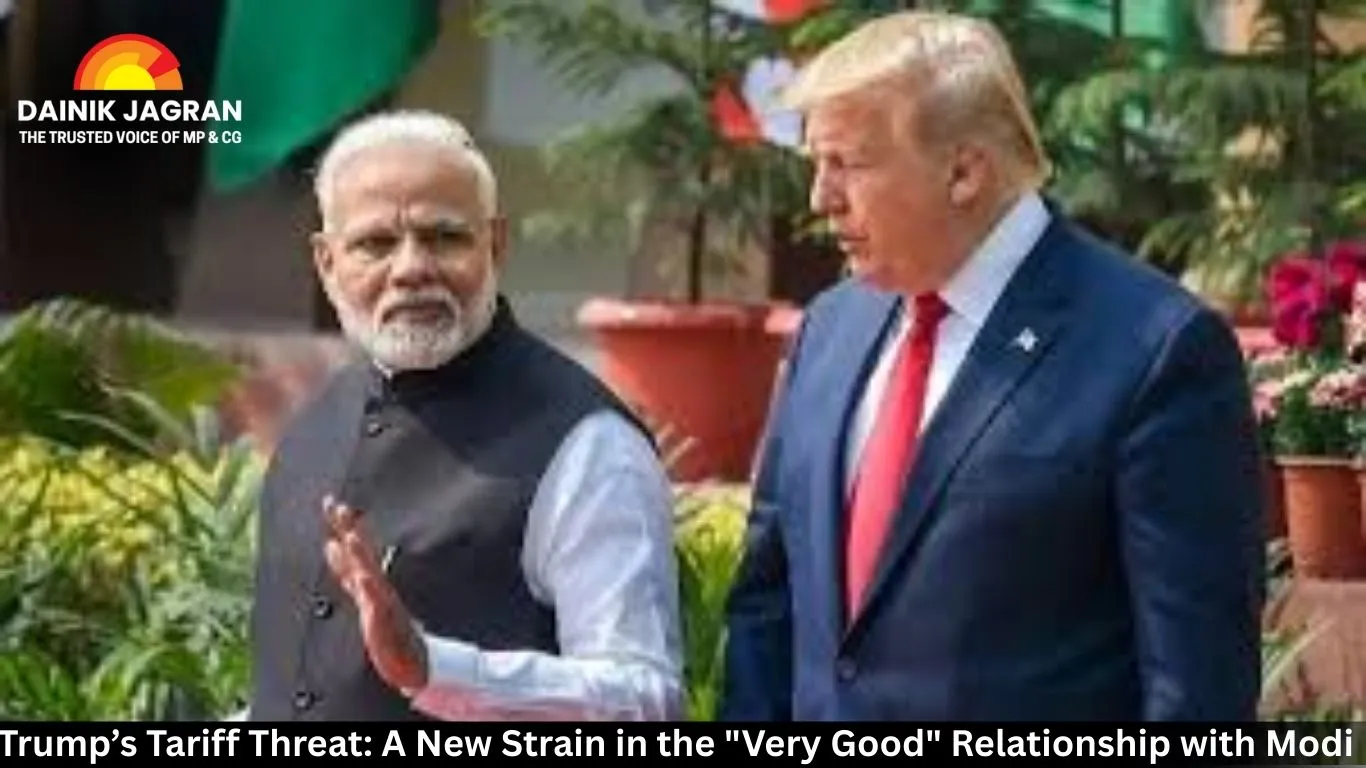
The diplomatic dance between Washington and New Delhi has hit a dissonant chord. U.S. President Donald Trump recently quipped that while he has a "very good relationship" with Indian Prime Minister Narendra Modi, the Indian leader is "not that happy with me" due to substantial tariffs imposed by the United States. This public admission cuts to the core of a growing friction: America's aggressive use of trade as a geopolitical weapon, which is now set to intensify with a new Russia sanctions bill threatening staggering 500% tariffs.
The Spark: Tariffs and a Public Rebuke
The immediate tension stems from existing U.S. tariffs totaling 50% on certain Indian goods, a penalty linked by the Trump administration to India's significant purchases of discounted Russian oil following the Ukraine conflict. The situation turned more pointed when Trump recounted an anecdote about defense deals, quoting PM Modi as approaching him with, "Sir, may I see you please?" to discuss delays in Apache helicopter deliveries. While perhaps meant to be humorous, the portrayal underscores a power dynamic where the U.S. leverages its position on both security and trade fronts.
The Escalation: The 500% Tariff Threat
The friction is poised to move from a simmer to a boil. A newly proposed "Russia Sanctions Bill," which has reportedly received President Trump's approval, seeks to authorize secondary sanctions. Its most potent tool is the potential to impose tariffs as high as 500% on exports from third countries, like India and China, that continue substantive trade in Russian oil. This isn't a typical protective tariff; it's designed to be an economic weapon meant to make purchasing Russian energy "unbearable" by cutting off access to the U.S. market.
Broader Strategy: "America First" and Strategic Decoupling
This hardline trade move is not an isolated incident. It fits seamlessly into the "America First" doctrine being aggressively revived. In a sweeping decision just this week, the Trump administration ordered the U.S. withdrawal from 66 international organizations, including the India-led International Solar Alliance (ISA), a flagship initiative of PM Modi. The White House labeled these bodies as promoting a "globalist agenda" over American interests. This strategic decoupling from multilateral frameworks signals a unilateralist U.S. approach, where traditional alliances and partnerships are secondary to immediate economic and political leverage.
The Global Fallout and India's Dilemma
The combined effect of tariff threats and multilateral withdrawal creates a precarious global environment. For India, it presents a severe policy dilemma. On one hand, its sovereign energy security decisions have brought economic benefit. On the other, it faces punitive measures from a major strategic and defense partner. This push undermines multilateralism and forces nations into binary choices, potentially fragmenting the global order into competing blocs.
Navigating a Unilateralist Storm
President Trump's candid comment about PM Modi's unhappiness is more than diplomatic gossip; it is a symptom of a fundamental shift in U.S. foreign policy. The relationship is now strained by a transactional approach where trade tariffs are wielded as sanctions and long-standing multilateral engagements are abandoned. As the Russia Sanctions Bill moves forward, India and other nations are forced to navigate a world where economic pressure is the primary tool of diplomacy, testing the resilience of even the "very good relationships."

.jpg)




