


Opposition Escalates Constitutional Showdown: Seeks Lok Sabha Speaker's Removal in Unprecedented Move
Digital Desk
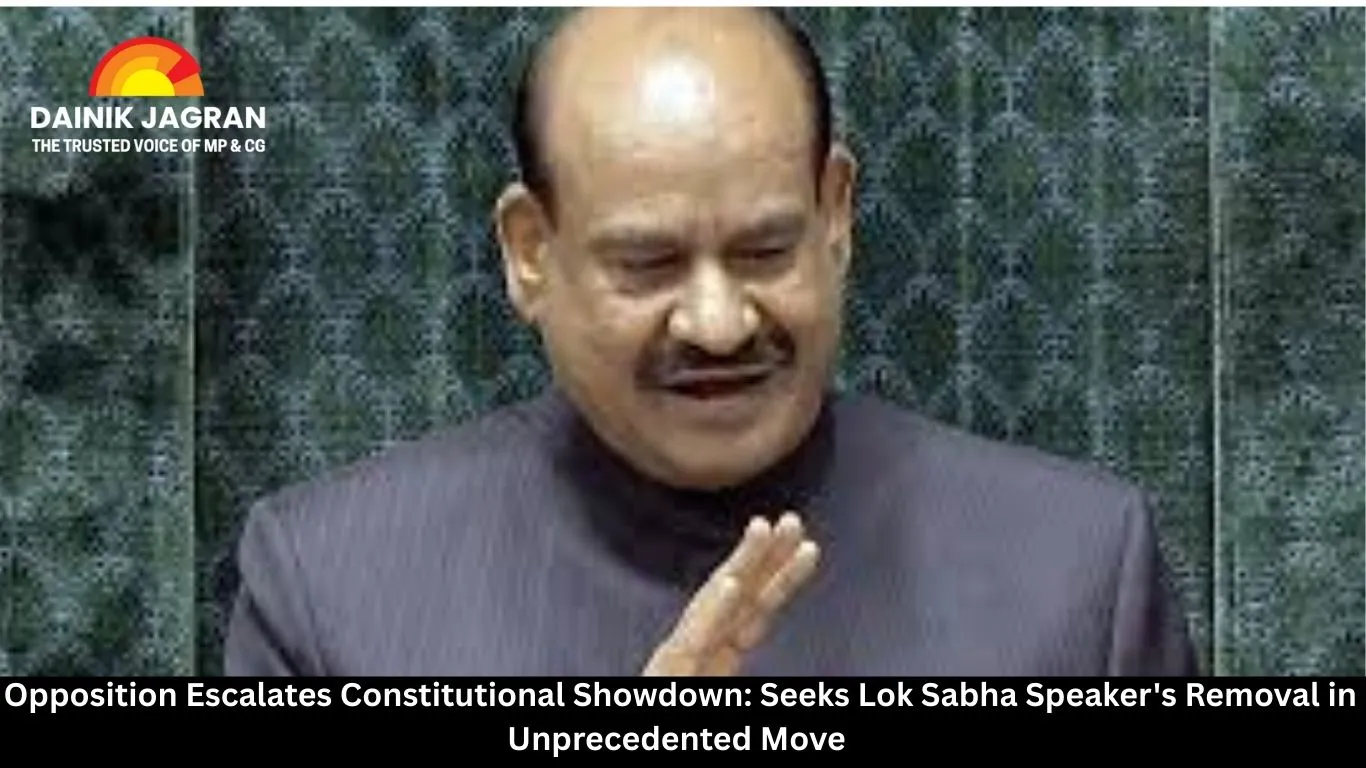
In an extraordinary escalation of parliamentary tensions, India's opposition parties have initiated a rare constitutional process to remove Lok Sabha Speaker Om Birla from his post, accusing him of partisan conduct and violating the neutrality expected of his high office. The move, invoking Article 94(c) of the Constitution, marks the first such attempt against a Speaker in nearly four decades and has triggered a significant standoff during the crucial Budget Session.
The notice for removal, submitted on Tuesday with signatures from approximately 118 MPs of the Congress, Samajwadi Party, DMK, and left parties, alleges systematic bias against opposition members. This dramatic development follows weeks of acrimony in the Lower House, centered on the Speaker's decisions regarding debate protocols and member suspensions.
The Core of the Controversy: Neutrality Under Question
The opposition's grievances crystallized when Leader of Opposition Rahul Gandhi was prevented from quoting from former Army Chief General M.M. Naravane's unpublished book during a debate. The treasury benches argued that referencing unpublished material violated parliamentary norms, a ruling the opposition contends was selectively applied.
Beyond this specific incident, opposition MPs allege a pattern of behavior where their voices are systematically stifled. "The concern has been the Leader of the Opposition has not been allowed to speak on numerous occasions," stated Congress's Deputy Leader Gaurav Gogoi, who submitted the removal notice. The recent suspension of eight opposition MPs for the remainder of the Budget Session further fueled these allegations.
A Speaker's Moral Stand: Recusal from the Chair
In a consequential development, Speaker Om Birla has voluntarily decided not to preside over the House until the motion against him is resolved. Although not mandated by rules, Birla has taken this step on "moral grounds," stating that some members have expressed a lack of confidence in him.
Sources indicate that both government and opposition leaders attempted to persuade him to reconsider, but the Speaker remained firm in his decision. During this period, the House will be presided over by members of the Panel of Chairpersons.
The Constitutional Path: Understanding Article 94(c)
The process to remove a Lok Sabha Speaker is clearly defined yet seldom tested. It operates under Article 94(c) of the Constitution and Lok Sabha Rule 200, distinct from a no-confidence motion against the government.
Initiation: A written notice must be given to the Secretary-General at least 14 days in advance.
Minimum Support: The notice requires the support of at least 50 members to be admitted for discussion.
The Vote: Crucially, removal requires an "effective majority"—more than 50% of the House's total current strength (excluding vacancies), not just a majority of those present and voting. In the 543-member Lok Sabha, this means at least 272 votes.
The Hurdle: With the ruling NDA coalition commanding 293 seats, the motion's passage is considered politically improbable. The move is widely seen as a symbolic political gesture to highlight the opposition's grievances on the parliamentary record.
Procedural Hiccup and Revised Timeline
The initial notice faced a technical setback. The Lok Sabha Secretariat found "shortcomings," including multiple references to events dated "February 2025," which could have led to its rejection. Speaker Birla himself directed the Secretariat to have the notice corrected rather than reject it outright.
Consequently, the timeline has shifted. The revised notice will be taken up only after the second phase of the Budget Session commences on March 9, 2024. The first part of the session will recess on February 13.
A Look at History: A Rare Parliamentary Tool
This motion is a historical rarity. Since independence, only three such removal motions have been initiated:
1. Against the first Speaker, G.V. Mavalankar, in 1954.
2. Against Speaker Sardar Hukam Singh in 1966.
3. Against Speaker Balram Jakhar in 1987.
None succeeded, underscoring the high constitutional and political threshold for removing a presiding officer.
The Road Ahead
As Parliament heads for a recess, all eyes are on March 9. While the numbers suggest the motion is unlikely to succeed, its very introduction has profound implications. It has brought the debate over the Speaker's impartiality—a cornerstone of Westminster parliamentary democracy—to the forefront of national discourse.
The coming weeks will test the opposition's cohesion and the government's response to this constitutional challenge. Regardless of the vote's outcome, this episode has already etched itself as a significant chapter in India's parliamentary history, highlighting the fragile balance between majority power and minority rights in a vibrant democracy.
This is a developing story. Follow for updates on the parliamentary proceedings when the Budget Session resumes.


.jpg)




