

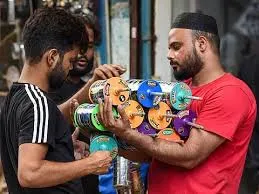
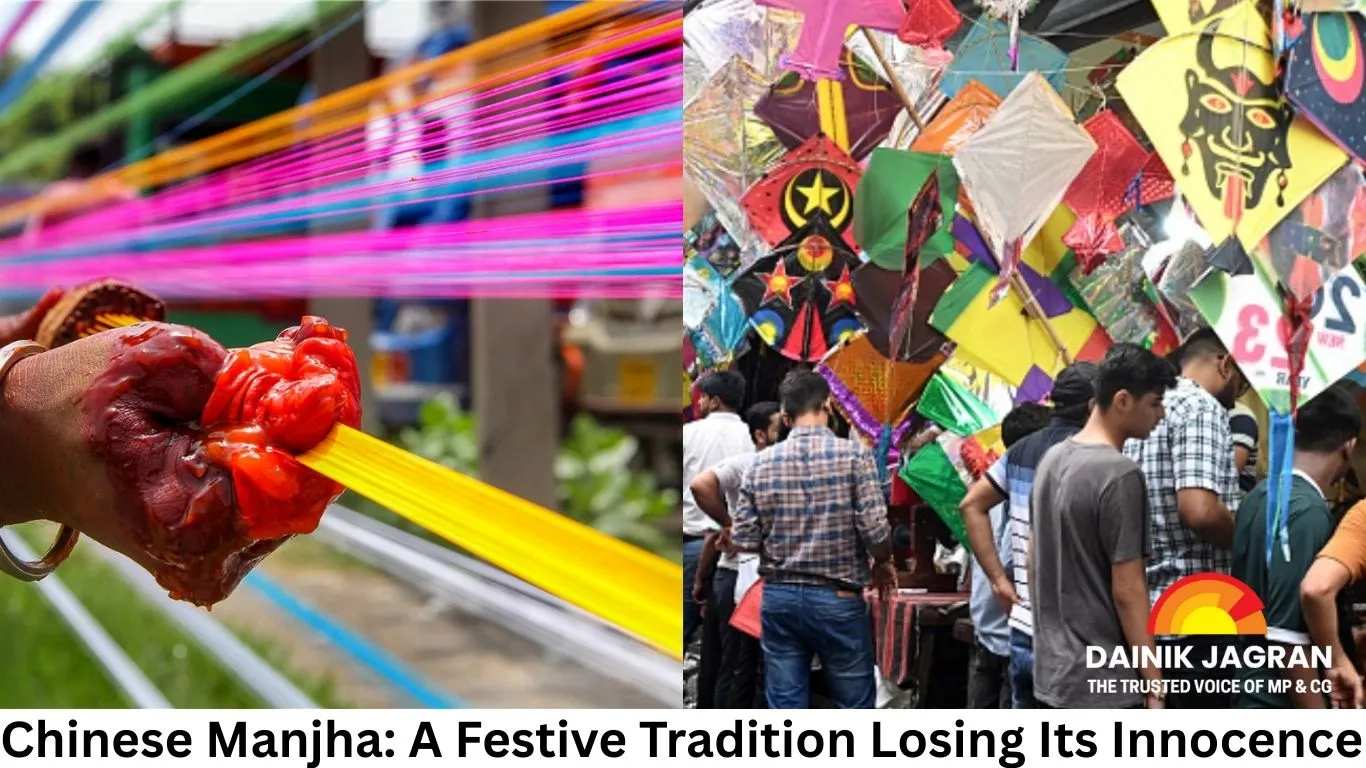
Chinese manjha is made from synthetic nylon and often coated with sharp materials that allow kites to cut others mid-air. Unlike traditional cotton threads, it does not snap easily and remains suspended long after the kite is gone. The result is a thin, nearly invisible trap that can cause deep cuts, serious injuries, and even fatalities.
Each year, hospitals report injuries to pedestrians and two-wheeler riders whose necks or hands come into contact with loose strands. Birds are among the worst affected, with animal rescue groups documenting cases of sliced wings, broken beaks, and fatal entanglements. The damage is not limited to living beings; the string frequently disrupts power lines and traffic flow, creating broader urban hazards.
What makes the situation more troubling is that Chinese manjha is not a legal grey area. It is banned in multiple states due to its non-biodegradable nature and proven threat to life. Yet, it continues to find its way into markets through illegal supply chains and online platforms. The attraction is largely driven by competition, where winning a kite duel is placed above safety and legality.
This pattern points to gaps in enforcement and a lack of sustained public awareness. Short-term crackdowns during festivals are not enough. Vendors and users often escape accountability, allowing the problem to re-emerge every year with predictable consequences.
Festivals thrive on shared joy and mutual respect. When celebrations begin to harm innocent lives, they lose their true spirit. Replacing Chinese manjha with eco-friendly cotton alternatives, strengthening penalties, and involving schools and community groups in awareness drives can restore balance.
The persistence of Chinese manjha is not just a law-and-order issue; it reflects a deeper neglect of social responsibility. Protecting life—human, animal, and environmental—must come before fleeting excitement. Only then can kite-flying return to being a symbol of freedom rather than fear.

Chinese Manjha: A Festive Tradition Losing Its Innocence
Digital Desk
Chinese manjha is made from synthetic nylon and often coated with sharp materials that allow kites to cut others mid-air. Unlike traditional cotton threads, it does not snap easily and remains suspended long after the kite is gone. The result is a thin, nearly invisible trap that can cause deep cuts, serious injuries, and even fatalities.
Each year, hospitals report injuries to pedestrians and two-wheeler riders whose necks or hands come into contact with loose strands. Birds are among the worst affected, with animal rescue groups documenting cases of sliced wings, broken beaks, and fatal entanglements. The damage is not limited to living beings; the string frequently disrupts power lines and traffic flow, creating broader urban hazards.
What makes the situation more troubling is that Chinese manjha is not a legal grey area. It is banned in multiple states due to its non-biodegradable nature and proven threat to life. Yet, it continues to find its way into markets through illegal supply chains and online platforms. The attraction is largely driven by competition, where winning a kite duel is placed above safety and legality.
This pattern points to gaps in enforcement and a lack of sustained public awareness. Short-term crackdowns during festivals are not enough. Vendors and users often escape accountability, allowing the problem to re-emerge every year with predictable consequences.
Festivals thrive on shared joy and mutual respect. When celebrations begin to harm innocent lives, they lose their true spirit. Replacing Chinese manjha with eco-friendly cotton alternatives, strengthening penalties, and involving schools and community groups in awareness drives can restore balance.
The persistence of Chinese manjha is not just a law-and-order issue; it reflects a deeper neglect of social responsibility. Protecting life—human, animal, and environmental—must come before fleeting excitement. Only then can kite-flying return to being a symbol of freedom rather than fear.
.jpg)




