


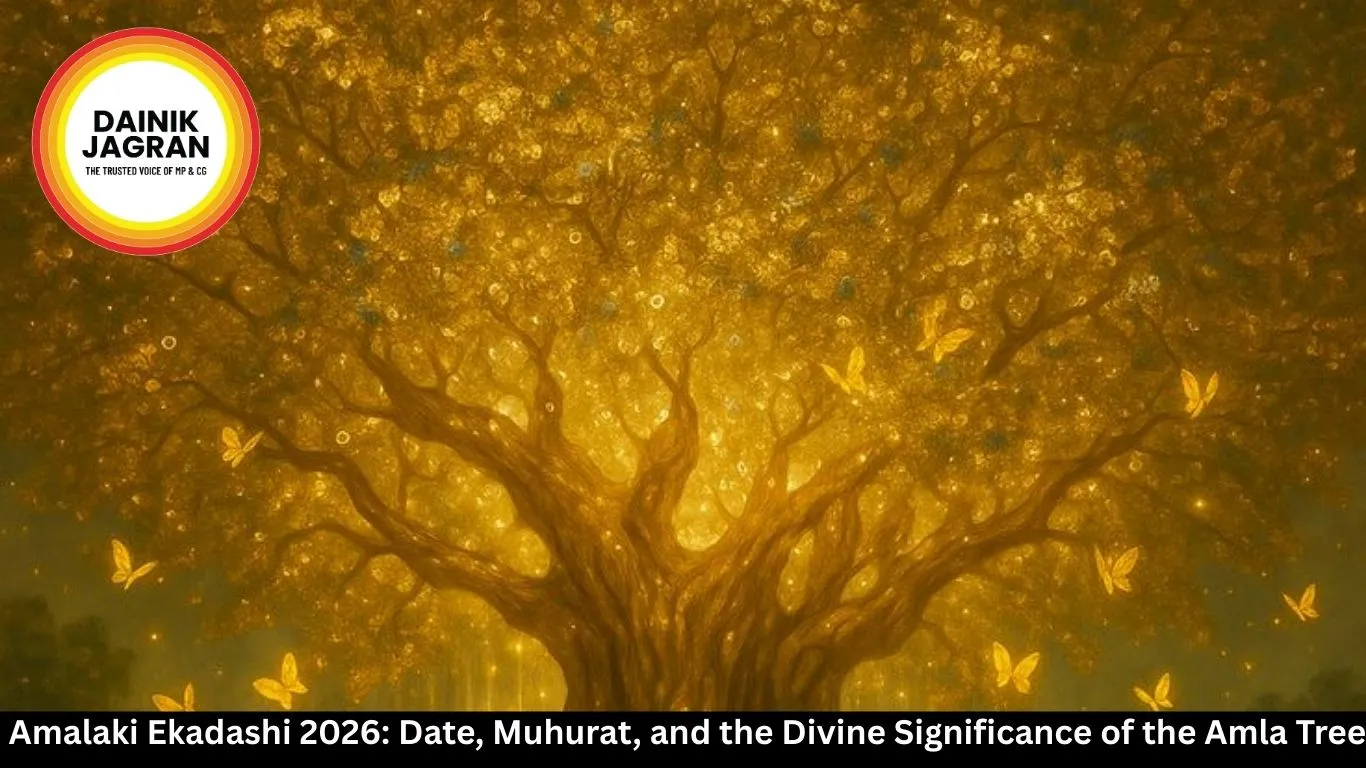
Amalaki Ekadashi 2026: Date, Muhurat, and the Divine Significance of the Amla Tree
Digital Desk
As the vibrant colors of Holi approach, the Hindu calendar brings us to one of the most spiritually significant days of the year: Amalaki Ekadashi 2026. Falling on Friday, February 27, this auspicious day is dedicated to the worship of Lord Vishnu and the sacred Amla tree (Indian Gooseberry).
In Hindu culture, Amalaki Ekadashi—also known as Phalgun Shukla Ekadashi—marks a unique intersection of nature worship and divine devotion. It is believed that observing this fast not only cleanses one's sins but also paves the path toward Moksha (liberation).
Important Timings and Muhurat for Amalaki Ekadashi 2026
For devotees planning to observe the fast, adhering to the specific Tithi and Parana timings is essential for a successful Vrat. According to the Panchang (calculated for Ujjain, India):
-
Ekadashi Tithi Begins: 12:33 AM on February 27, 2026
-
Ekadashi Tithi Ends: 10:33 PM on February 27, 2026
-
Parana (Fast Breaking) Time: February 28, 06:53 AM to 09:11 AM
-
Dwadashi End Moment: 08:43 PM on February 28
The Spiritual Mystery: Why Worship the Amla Tree?
While most Ekadashis focus solely on fasting and chanting, Amalaki Ekadashi is distinct because of its deep connection to the Amla tree. According to the Padma Purana, the Amla tree emerged from a drop of divine radiance when Lord Vishnu was in a state of bliss.
It is considered the "Vaishnav Tree," where different deities reside:
-
Lord Vishnu resides at the roots.
-
Lord Brahma dwells at the top.
-
Lord Shiva (Rudra) resides in the trunk.
-
The Vasus and Maruts inhabit the leaves and flowers.
By worshipping this tree on Amalaki Ekadashi 2026, devotees believe they are honoring the entire divine pantheon simultaneously.
Rituals and Vrat Vidhi for Devotees
To gain the maximum spiritual merit from this day, followers typically observe the following rituals:
-
Sankalp: Begin the day with a holy bath and take a vow (Sankalp) to fast with a pure heart.
-
Amla Tree Puja: If a tree is available, cleanse the area around it. Offer water, sandalwood paste, flowers, and incense.
-
The Idol of Parashurama: Traditional rituals suggest installing an idol of Lord Parashurama (an avatar of Vishnu) near the tree or in your puja room.
-
The Night Vigil: Staying awake through the night, singing bhajans and reciting the Ekadashi Vrat Katha, is said to multiply the blessings of the fast.
-
Charity: Donating food, clothes, or umbrellas to the needy on the following day (Dwadashi) completes the cycle of the Vrat.
Why This Matters Right Now
In 2026, Amalaki Ekadashi serves as a spiritual gateway to the Holi season. In a world increasingly focused on wellness, this festival reminds us of the ancient Ayurvedic and spiritual importance of the Amla fruit—a powerhouse of immunity and vitality.
Whether you are seeking spiritual growth or looking to align with the rhythms of nature, observing Amalaki Ekadashi 2026 offers a moment of reflection and renewal. As the Vrat Katha promises, even remembering this sacred day can bring the merit of donating thousands of cows, leading the soul toward the eternal abode of Lord Vishnu.

.jpg)
.jpg)




