


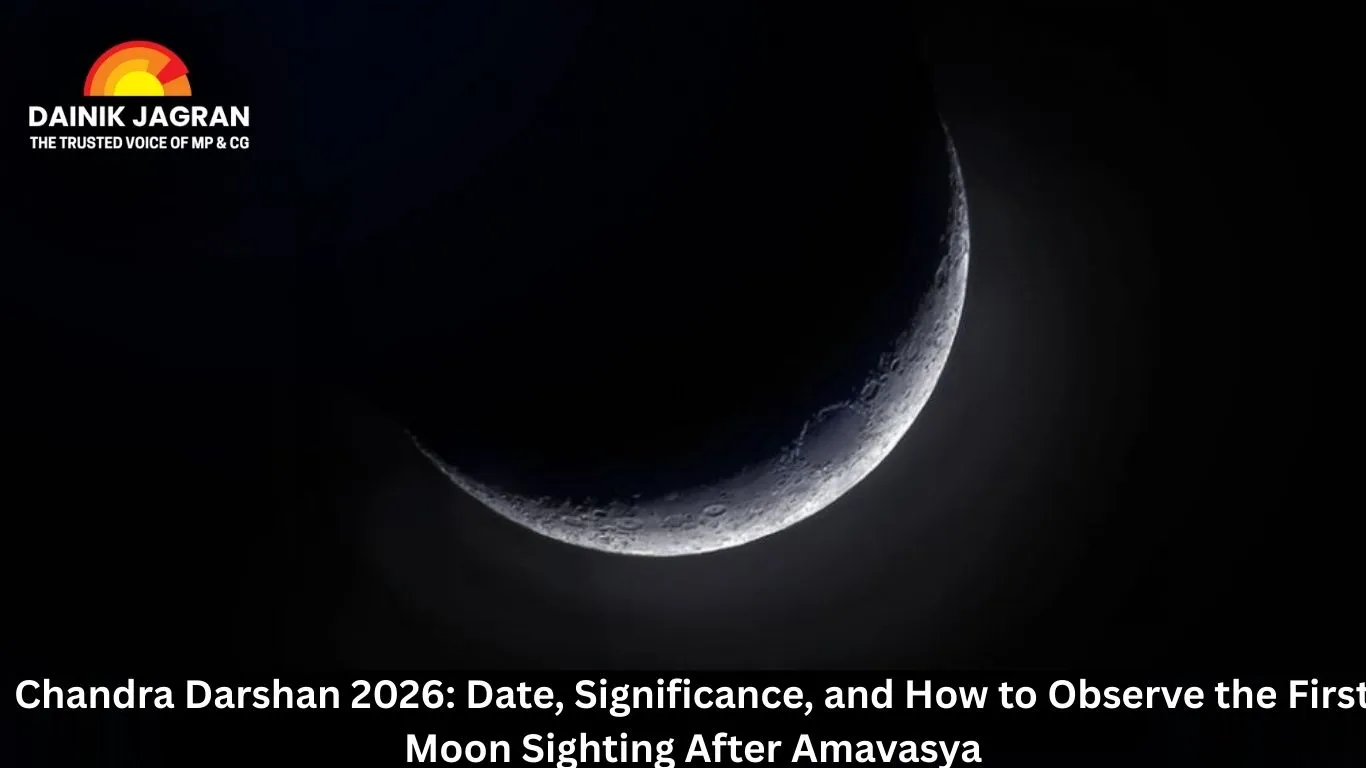
Chandra Darshan 2026: Date, Significance, and How to Observe the First Moon Sighting After Amavasya
Digital Desk
Chandra Darshan 2026: The Auspicious First Moon Sighting Set for January 20
In a celestial event marked by both spiritual fervor and astronomical precision, devotees across India will observe Chandra Darshan on Tuesday, January 20, 2026. This sacred observance, which involves sighting the first sliver of the moon after the dark night of Amavasya (new moon), is a cornerstone of the Hindu lunar calendar, symbolizing new beginnings and divine blessings.
The day underscores a growing global trend of reconnecting with ancestral timekeeping and cosmic rhythms, even amidst modern life. As astrology and mindful living continue to influence lifestyle choices, understanding such observances offers both cultural insight and a moment of spiritual pause.
Chandra Darshan 2026: Key Timings and Tithi
For accurate observance, Pratipada Tithi—the first lunar day—is crucial. According to panchang calculations for Ujjain, a key astrological reference city:
· Pratipada Tithi: Begins at 1:22 AM on January 19 and ends at 2:14 AM on January 20, 2026.
· Moonrise on Jan 20: 8:14 AM
· Moonset on Jan 20: 7:34 PM
· Ideal Sighting Time: Shortly after sunset on January 20.
The most auspicious window for Chandra Darshan (the actual sighting ritual) is in the evening, just after sunset, when the crescent moon is expected to become visible on the western horizon.
Why Chandra Darshan Matters: More Than Just a Ritual
In Vedic astrology, Chandra (the Moon God) is not just a celestial body but a governing force of the mind, emotions, and prosperity. A strong, well-placed Moon in one's birth chart is believed to confer calmness, wisdom, and success.
“Chandra Darshan is essentially about aligning with a cycle of renewal,” explains a simulated perspective from a Pune-based astrologer. “After the complete reset of Amavasya, sighting the first crescent is an act of inviting growth, clarity, and positive energy into one’s life. It’s a physical act with deep psychological and spiritual undertones.”
How to Observe Chandra Darshan: Rituals and Practices
For devotees, the day involves specific rituals aimed at seeking the blessings of Chandra Dev:
1. Fasting (Vrat): A strict fast is observed from sunrise until the moon is sighted. Only after the evening darshan can the fast be broken.
2. Evening Sighting & Prayer: The core ritual involves viewing the crescent moon after sunset. Following the sighting, prayers are offered to Chandra Dev, often with offerings of water, white flowers, and rice.
3. Charity (Daan): Performing acts of charity is considered highly meritorious. Donating items like white clothes, sugar, rice, or milk to those in need is a common practice, amplifying the day's positive vibrations.
4. Chanting: Reciting the Chandra Beej Mantra or other Vedic hymns dedicated to the Moon is believed to be beneficial.
A Modern Take on an Ancient Tradition
While the rituals are ancient, their observance has adapted. Today, digital panchangs and astronomy apps help urban devotees pinpoint the exact moon sighting time with accuracy, ensuring they don't miss the brief window. This blend of tradition and technology makes Chandra Darshan 2026 accessible to a wider, global audience interested in Hindu practices.
A Moment of Cosmic Alignment
Chandra Darshan on January 20, 2026, is more than a date on a religious calendar; it is an invitation to pause and look up. In a fast-paced world, it offers a structured moment to connect with a natural cosmic cycle, set intentions for the coming lunar month, and engage in practices that foster inner peace and outward generosity. Whether one observes the full fast or simply takes a mindful moment to witness the newborn moon, the day serves as a powerful reminder of the timeless rhythm linking the heavens to human life.
.jpg)




