


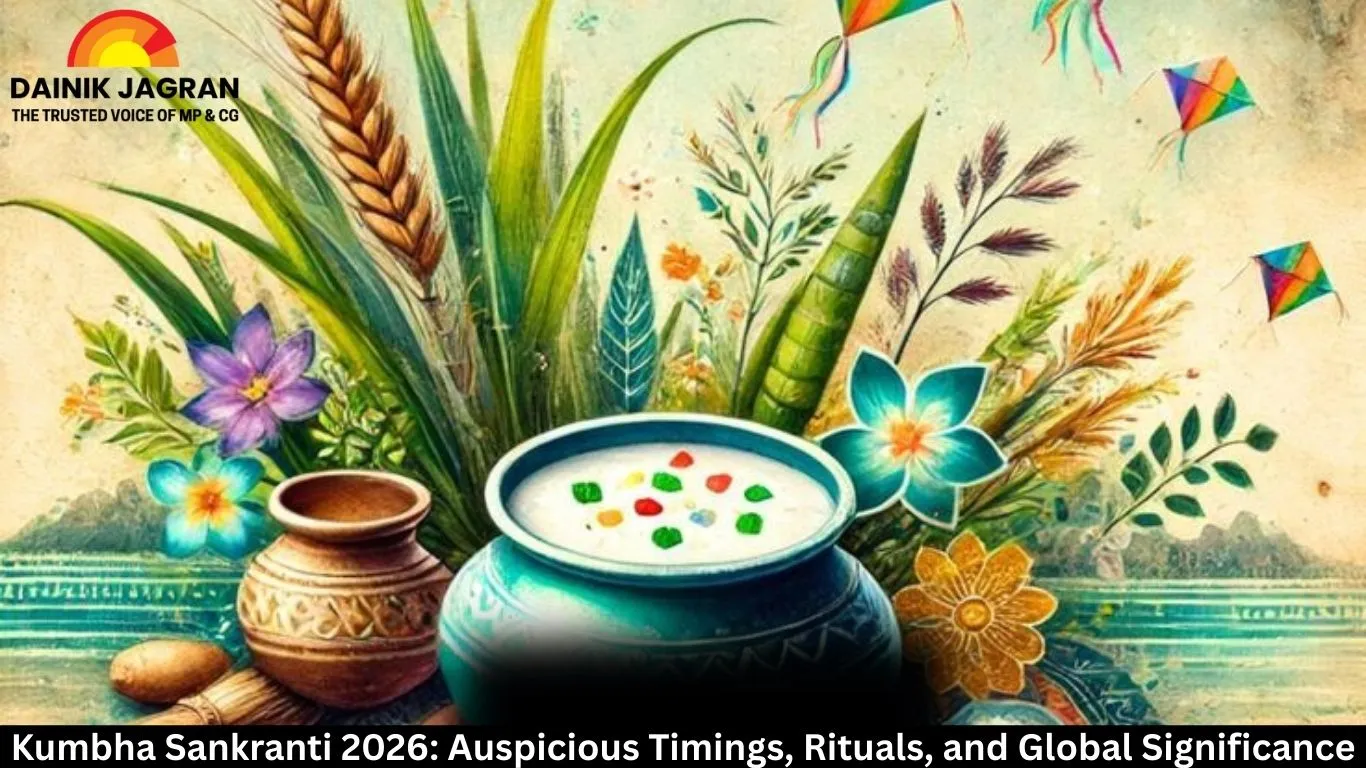
Kumbha Sankranti 2026: Auspicious Timings, Rituals, and Global Significance
Digital Desk
The celestial clock is ticking toward one of the most spiritually charged moments of the year. On February 13, 2026, millions of devotees across the globe will observe Kumbha Sankranti 2026, marking the Sun’s transition from Capricorn (Makara) into Aquarius (Kumbha).
This solar transition is not merely a change in the zodiac; it is the gateway to the eleventh month of the Hindu solar calendar. In 2026, the timing is particularly critical, as the "Maha Punya Kaal"—the most auspicious window for rituals—lasts for less than two hours.
Key Timings for Kumbha Sankranti 2026
For those planning their spiritual observances, precision is everything. Based on the calculated transit (IST), here are the essential timings:
-
Sankranti Moment: 04:06 AM (Friday, February 13)
-
Punya Kaal Muhurta: 07:04 AM to 12:41 PM
-
Maha Punya Kaal: 07:04 AM to 08:56 AM (The peak window for maximum spiritual merit)
Why This Transit Matters Right Now
In the realm of lifestyle and astrology, the Sun’s entry into Aquarius signals a shift from the rigid, ambitious energy of Capricorn toward a more collective, innovative, and humanitarian mindset.
This year, Kumbha Sankranti 2026 carries added weight as it aligns with the ongoing spiritual fervor of the Maha Kumbh Mela cycle. While the festival is celebrated nationwide, it holds deep cultural roots in Eastern India, marking the start of Falgun Maas in West Bengal and Masi Masam in the South.
Sacred Rituals and Practical Takeaways
To harness the energy of this day, tradition suggests several key actions that help cleanse past karmas and invite future prosperity:
-
The Holy Dip (Snan): Immersing oneself in sacred rivers like the Ganga, Yamuna, or Shipra is believed to lead toward Moksha (liberation). If you cannot travel to holy cities like Haridwar or Ujjain, adding a few drops of Gangajal to your bath at home is a powerful alternative.
-
Acts of Charity (Daan): Donation is the cornerstone of any Sankranti. Giving food, warm clothes, or essential items to Brahmin priests and the underprivileged is highly recommended during the Punya Kaal.
-
Gau Seva: Feeding cows on this day is considered exceptionally beneficial, symbolizing a connection to the earth and divine abundance.
-
Sun Worship: Offering Arghya (water) to the rising Sun while chanting Surya mantras helps align your personal energy with the cosmic source of light.
Conclusion: A Time for Inner Renewal
Kumbha Sankranti 2026 is more than a date on a calendar; it is an invitation to hit the "reset" button. By observing the Punya Kaal Muhurta and engaging in selfless service, you align yourself with a tradition that has sought purification and wisdom for millennia. Whether you are at the banks of the Ganges or in your own home, use this February 13 to shed old burdens and step into the light of a new month.
.jpg)




