


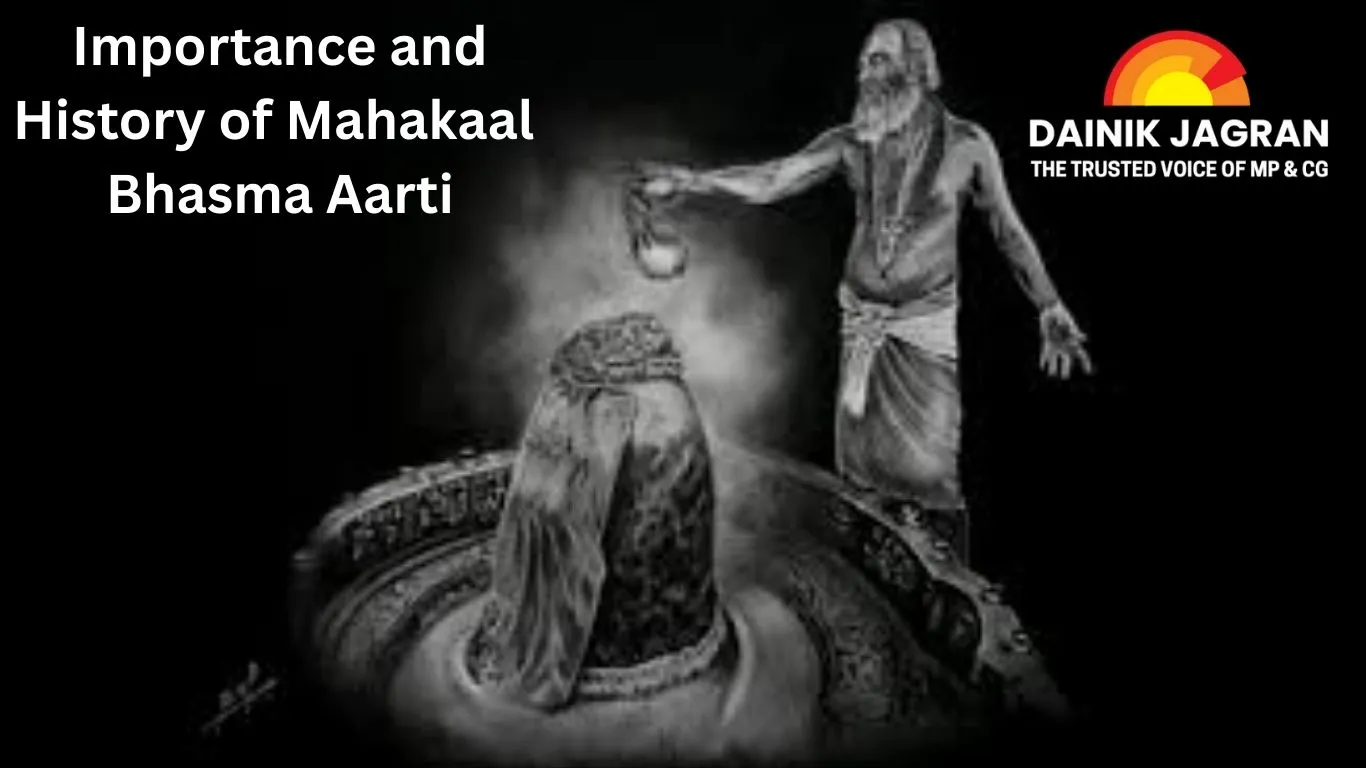
The Importance and History of Mahakaal Bhasma Aarti: A Sacred Tradition of Faith and Devotion
Digital Desk
The Bhasma Aarti is conducted before sunrise, usually between 3:30 and 5:30 a.m., when the temple opens its doors for this sacred offering. What sets this aarti apart is the use of bhasma (sacred ash), which is applied to the Shiva Lingam while chanting Vedic mantras and hymns. The ash symbolizes the ultimate truth of life—that everything in the material world is temporary and will eventually turn to dust. Through this ritual, devotees are reminded of detachment, humility, and the eternal nature of the soul.
Historically, the tradition of Bhasma Aarti dates back several centuries and is deeply rooted in Shaivite practices. According to legends, Lord Shiva himself is believed to have instructed that he be worshipped with ash, as it represents renunciation and victory over ego. Ujjain, known in ancient times as Avantika, has long been a major center of learning, astronomy, and spirituality. References to Mahakaleshwar Temple can be found in ancient scriptures such as the Puranas, further establishing its historical and religious importance.
The ritual is also closely associated with tantric traditions. In earlier times, it is believed that ash from cremation grounds was used, emphasizing Shiva’s role as the ascetic who resides beyond worldly attachments. Today, for religious and administrative reasons, the ash used is prepared in a sacred and controlled manner, while still preserving the symbolic essence of the ritual.
The importance of the Mahakaal Bhasma Aarti goes beyond ritualistic worship. For devotees, attending the aarti is considered highly auspicious, believed to bring spiritual awakening, protection from negative forces, and liberation from fear and suffering. Many believe that witnessing the aarti helps cleanse past karmas and strengthens one’s connection with Lord Shiva.
In recent years, the Bhasma Aarti has also gained prominence as a cultural and spiritual attraction. The temple administration has introduced registration systems to manage the growing number of devotees while maintaining the sanctity of the ritual. Despite modernization, the essence of the ceremony remains unchanged, preserving a tradition that has been passed down through generations.
The Mahakaal Bhasma Aarti stands as a powerful symbol of India’s spiritual heritage. It reflects timeless philosophical truths about life, death, and devotion, continuing to inspire faith and reverence in the hearts of millions.
.jpg)

.jpg)




