


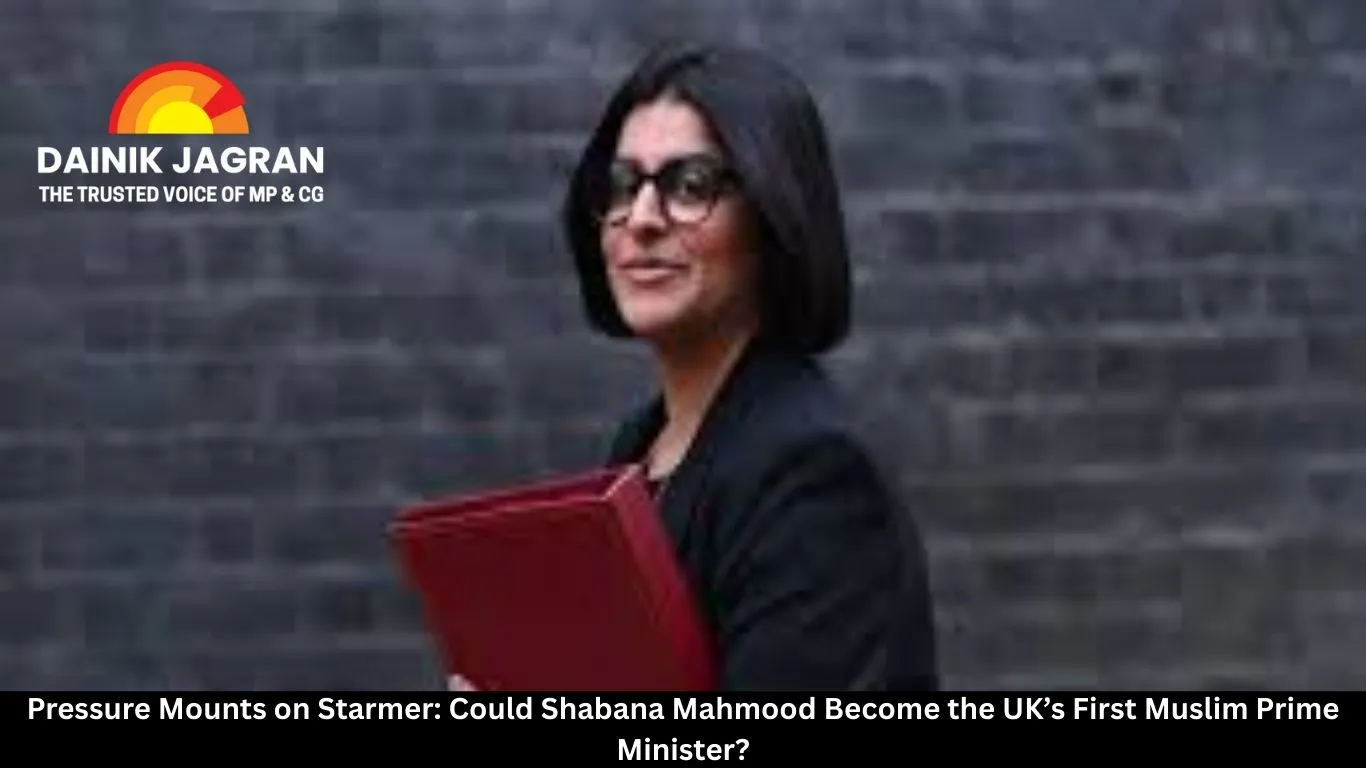
Pressure Mounts on Starmer: Could Shabana Mahmood Become the UK’s First Muslim Prime Minister?
Digital Desk
Pressure Mounts on Starmer: Could Shabana Mahmood Become the UK’s First Muslim Prime Minister?
Prime Minister Keir Starmer’s leadership is under severe strain amid a growing scandal tied to the appointment of a former envoy linked to Jeffrey Epstein. With senior aides resigning and internal dissent rising, speculation is mounting about a potential successor—with Home Secretary Shabana Mahmood now prominently discussed as a candidate who could become the UK’s first Muslim prime minister.
The crisis erupted after Starmer appointed—and then removed—Peter Mandelson, a Labour veteran whose past association with convicted sex offender Jeffrey Epstein triggered a political firestorm. The Prime Minister’s judgment has been sharply questioned, leading to the resignation of his chief of staff and communications director. As calls for his resignation grow, attention is shifting to who might steer the Labour government forward.
Who Is Shabana Mahmood?
Shabana Mahmood, the MP for Birmingham Ladywood since 2010, has risen swiftly through Labour’s ranks. A trained barrister and one of the party’s first Muslim women MPs, she has held several shadow cabinet roles and was appointed Home Secretary after Labour’s 2024 election victory. Known as a disciplined and sharp political operator, Mahmood now oversees one of the most challenging briefs: immigration, security, and policing.
Mahmood’s Background and Immigration Stance
Born in Birmingham to Pakistani immigrant parents, Mahmood often highlights her working-class roots and British Muslim identity. Recently, however, she has adopted a firmer line on immigration, aligning with the government’s push for stricter rules.
Last week, she defended proposed changes to settlement regulations, stating that permanent residency in the UK is a “privilege, not a right.” Mahmood argued it would be “odd” for the country not to prioritize attracting the “brightest and best” talent—a stance that positions her as a pragmatist on one of the nation’s most divisive issues.
Other Contenders in the Labour Leadership Frame
While Mahmood is a strong candidate, she is not the only one being discussed. Angela Rayner, the former deputy prime minister, remains a favorite among the party’s left wing and is currently leading in bookmakers’ odds. Wes Streeting, the Health Secretary, is seen as ambitious but has faced criticism for his ties to Mandelson and support for private sector involvement in the NHS. Ed Miliband, the Energy Secretary, enjoys soft-left support, though his past electoral defeat lingers. Andy Burnham, Mayor of Greater Manchester, is widely popular but lacks a parliamentary seat—a hurdle under Labour’s rules.
Why This Matters Now
The uncertainty over Keir Starmer’s leadership comes at a critical time for the Labour government, which is grappling with internal unity and public trust. The Epstein-linked scandal has amplified doubts about Starmer’s decision-making, making the question of succession urgent. Should Mahmood rise to the top, it would mark a historic moment for British politics, while also signaling a continued tough stance on immigration and national security.
As the situation develops, all eyes are on Westminster to see whether Starmer can weather the storm—or if the Labour Party will soon witness a seismic shift in power.
.jpg)




