Iran Says No Final Decision on US Peace Deal

Digital Desk

Iran Says No Final Decision on US Peace Deal

Iran has downplayed expectations of an immediate US peace deal even as Qatari negotiators arrived in Tehran. Trump claimed a signing on Sunday while Tehran says talks continue. Latest updates on the truce efforts.

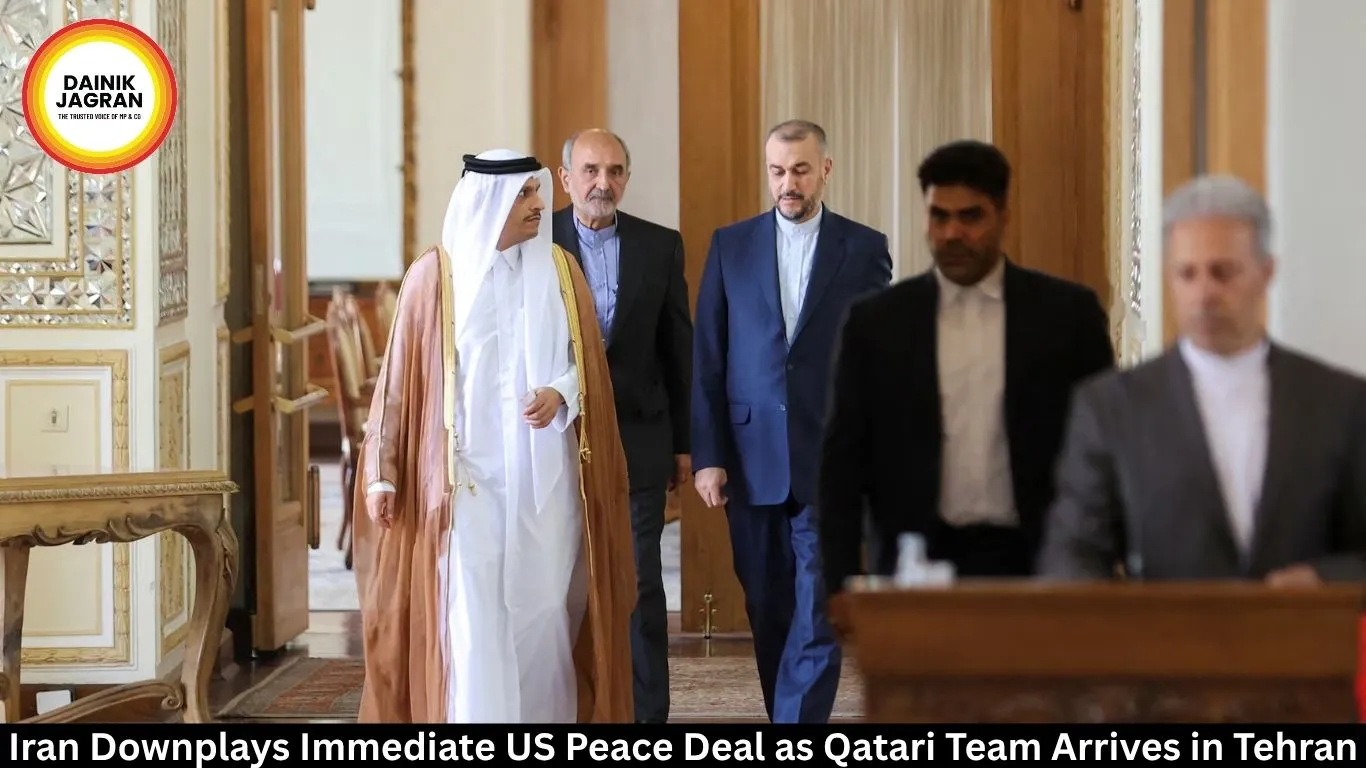
Tehran has tempered expectations of a swift agreement with Washington to end months of conflict, stating that no final decision has been taken on the proposed truce. Qatari negotiators landed in the Iranian capital on Saturday to help bridge remaining gaps, even as US President Donald Trump claimed a deal could be sealed as early as Sunday.

Mixed Signals from Tehran

Iran’s Foreign Ministry spokesperson Esmail Baghaei said political, legal and technical reviews of the proposed agreement are still underway. While rejecting claims of a signing on Sunday, officials indicated that an understanding could still be reached in the coming days. The ministry also announced new regulations to monitor shipping traffic in the Strait of Hormuz, with possible future levies on vessels using the vital waterway.

The comments came hours after Trump asserted that the deal would immediately reopen the Strait of Hormuz to all shipping and mark a major improvement in bilateral ties. Washington and Islamabad have expressed optimism that a framework agreement could end nearly four months of hostilities.

Qatari Mediators Step In

A high-level Qatari delegation, led by an adviser to Prime Minister and Foreign Minister Sheikh Mohammed bin Abdulrahman bin Jassim Al Thani, arrived in Tehran to push for final approval. Iranian state media ISNA and Tasnim reported that the team aims to review the latest developments in the diplomatic track. Sources familiar with the matter told Reuters the visit is part of intense last-minute efforts to finalise the truce.

Background of the Conflict

The current tensions stem from escalated hostilities involving the US, Israel and Iran that began earlier this year. The 12-day war with Israel last year remains fresh in Iranian memory, with President Masoud Pezeshkian recently hailing it as a “symbol of national solidarity.” Reports also emerged of Iran securing tunnels at the Isfahan nuclear facility amid the uncertainty.

Protests on Iranian Streets

Public reaction in Iran has been mixed. In Mashhad, dozens gathered outside the Foreign Ministry office to protest against what they see as excessive concessions. Demonstrators raised slogans against Foreign Minister Abbas Araghchi and Parliament Speaker Bagher Ghalibaf, warning that the deal could weaken Iran’s strategic leverage over the Strait of Hormuz. Similar protests were reported in Tehran via social media videos.

Regional Ripples and Israeli Stance

The developments have kept the wider region on edge. Israel continued operations in southern Lebanon, issuing displacement orders for residents of 29 towns and villages and reporting the killing of seven Hezbollah fighters. Far-right ministers Itamar Ben-Gvir and Bezalel Smotrich reiterated strong positions against Hezbollah. Meanwhile, Israeli President Isaac Herzog praised Trump’s approach towards Iran.

India has also been drawn in, with New Delhi summoning a US diplomat over attacks on ships carrying Indian sailors. US Secretary of State Marco Rubio reportedly told External Affairs Minister S Jaishankar that violations of the Hormuz blockade would not be tolerated.

Political Reactions in the US

In Washington, Democratic lawmakers expressed scepticism. Senator Adam Schiff hoped the deal would hold but pointed to past broken promises. On the Republican side, some lawmakers continued to voice strong reservations about allowing Iran any path to nuclear weapons.

What Lies Ahead

According to reports, the proposed interim memorandum of understanding could be followed by 60 days of technical negotiations covering Iran’s nuclear programme, sanctions relief, and management of the Strait of Hormuz. Both sides appear conscious of the high stakes — economic, strategic and humanitarian.

Iranian officials, including Ambassador Abolfazl Pasandideh, have emphasised that ordinary Iranians harbour no enmity towards the American people and seek mutual respect. The coming hours and days will be critical in determining whether the diplomatic momentum in Tehran translates into a concrete agreement.

The arrival of Qatari mediators has injected fresh urgency into efforts to end the war, but Tehran’s cautious tone suggests that several hurdles remain before any deal is finalised.

 

--------

๐Ÿšจ Beat the News Rush โ€“ Join Now!

Get breaking alerts, hot exclusives, and game-changing stories instantly on your phone. No delays, no fluff โ€“ just the edge you need. โšก

Tap to join:ย 

๐ŸŸข WhatsApp Channel: Dainik Jagran MP CG

Crave more?

๐Ÿ…• Facebook: Dainik Jagran MP CG English

๐Ÿ…ง Twitter (X): Dainik Jagran MP CG

๐Ÿ…˜ Instagram: Dainik Jagran MP CG

Share the fire โ€“ keep your crew ahead! ๐Ÿ—ž๏ธ๐Ÿ”ฅ

english.dainikjagranmpcg.com
14 Jun 2026 By Abhishek Joshi

Iran Says No Final Decision on US Peace Deal

Digital Desk

Tehran has tempered expectations of a swift agreement with Washington to end months of conflict, stating that no final decision has been taken on the proposed truce. Qatari negotiators landed in the Iranian capital on Saturday to help bridge remaining gaps, even as US President Donald Trump claimed a deal could be sealed as early as Sunday.

Mixed Signals from Tehran

Iran’s Foreign Ministry spokesperson Esmail Baghaei said political, legal and technical reviews of the proposed agreement are still underway. While rejecting claims of a signing on Sunday, officials indicated that an understanding could still be reached in the coming days. The ministry also announced new regulations to monitor shipping traffic in the Strait of Hormuz, with possible future levies on vessels using the vital waterway.

The comments came hours after Trump asserted that the deal would immediately reopen the Strait of Hormuz to all shipping and mark a major improvement in bilateral ties. Washington and Islamabad have expressed optimism that a framework agreement could end nearly four months of hostilities.

Qatari Mediators Step In

A high-level Qatari delegation, led by an adviser to Prime Minister and Foreign Minister Sheikh Mohammed bin Abdulrahman bin Jassim Al Thani, arrived in Tehran to push for final approval. Iranian state media ISNA and Tasnim reported that the team aims to review the latest developments in the diplomatic track. Sources familiar with the matter told Reuters the visit is part of intense last-minute efforts to finalise the truce.

Background of the Conflict

The current tensions stem from escalated hostilities involving the US, Israel and Iran that began earlier this year. The 12-day war with Israel last year remains fresh in Iranian memory, with President Masoud Pezeshkian recently hailing it as a “symbol of national solidarity.” Reports also emerged of Iran securing tunnels at the Isfahan nuclear facility amid the uncertainty.

Protests on Iranian Streets

Public reaction in Iran has been mixed. In Mashhad, dozens gathered outside the Foreign Ministry office to protest against what they see as excessive concessions. Demonstrators raised slogans against Foreign Minister Abbas Araghchi and Parliament Speaker Bagher Ghalibaf, warning that the deal could weaken Iran’s strategic leverage over the Strait of Hormuz. Similar protests were reported in Tehran via social media videos.

Regional Ripples and Israeli Stance

The developments have kept the wider region on edge. Israel continued operations in southern Lebanon, issuing displacement orders for residents of 29 towns and villages and reporting the killing of seven Hezbollah fighters. Far-right ministers Itamar Ben-Gvir and Bezalel Smotrich reiterated strong positions against Hezbollah. Meanwhile, Israeli President Isaac Herzog praised Trump’s approach towards Iran.

India has also been drawn in, with New Delhi summoning a US diplomat over attacks on ships carrying Indian sailors. US Secretary of State Marco Rubio reportedly told External Affairs Minister S Jaishankar that violations of the Hormuz blockade would not be tolerated.

Political Reactions in the US

In Washington, Democratic lawmakers expressed scepticism. Senator Adam Schiff hoped the deal would hold but pointed to past broken promises. On the Republican side, some lawmakers continued to voice strong reservations about allowing Iran any path to nuclear weapons.

What Lies Ahead

According to reports, the proposed interim memorandum of understanding could be followed by 60 days of technical negotiations covering Iran’s nuclear programme, sanctions relief, and management of the Strait of Hormuz. Both sides appear conscious of the high stakes — economic, strategic and humanitarian.

Iranian officials, including Ambassador Abolfazl Pasandideh, have emphasised that ordinary Iranians harbour no enmity towards the American people and seek mutual respect. The coming hours and days will be critical in determining whether the diplomatic momentum in Tehran translates into a concrete agreement.

The arrival of Qatari mediators has injected fresh urgency into efforts to end the war, but Tehran’s cautious tone suggests that several hurdles remain before any deal is finalised.


https://english.dainikjagranmpcg.com/special-news/iran-says-no-final-decision-on-us-peace-deal/article-20125

Latest News

Modi, Macron Launch Bharat Innovates 2026 in Nice Modi, Macron Launch Bharat Innovates 2026 in Nice
PM Modi and Macron launched Bharat Innovates 2026 in Nice, showcasing India's deep-tech startups to 500+ global investors across 13...
Modi and Trump to Meet in France for G7 Bilateral Talks
Indian-Origin Man Stabbed to Death in West London
Bungee jumping death in Brazil after rope not attached
14 Indian sailors rescued after dhow sinks off Oman | US Navy
PM Modi Meets Macron in Nice, Launches Bharat Innovates
Sudip Bandyopadhyay Meets Amit Shah Amid TMC Rift